
Multiple childcare bills on access, fraud advanced in Ohio House committee
Multiple childcare bills were approved in an Ohio House committee on Monday. Three of the bills deal with increasing access for children, and another is a response to calls for increased vigilance regarding potential childcare fraud.
This post has been republished from the Ohio Capital Journal under Creative Commons license CC BY-NC-ND 4.0.
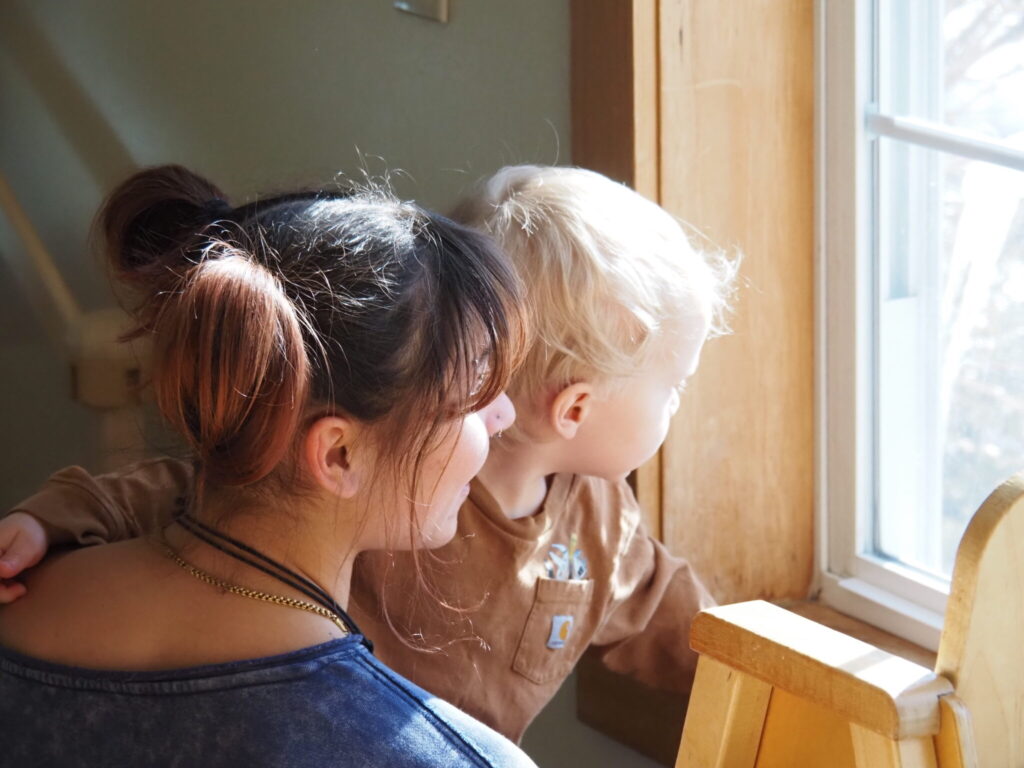
Multiple childcare bills were approved in an Ohio House committee on Monday. Three of the bills deal with increasing access for children, and another is a response to calls for increased vigilance regarding potential childcare fraud.
The Ohio House Children and Human Services Committee held its own version of a vote-a-rama, passing the four bills in rapid succession.
Ohio House Bill 647, one of two bills that sought to bolster the state’s system for investigating childcare funding fraud, was passed after multiple hearings and amendments to the bill.
Both childcare fraud bills received criticism for separate issues from childcare providers and local prosecuting attorneys throughout the committee consideration process.
National scrutiny of childcare facilities cropped up following a right-wing influencer’s claims that Minnesota childcare facilities, particularly those run by Somali immigrants, were misusing federal funds.
The Trump administration temporarily froze funds to Minnesota and other Democratically-led cities, questioning the legitimacy of fund usage at some facilities.
While Ohio was not targeted, Gov. Mike DeWine and Kara Wente, head of the Ohio Department of Children & Youth, sought to get ahead of concerns, standing behind the oversight of childcare facilities in the state, particularly those who receive federal funding for publicly funded childcare.
H.B. 647 came about as part of the defense of the state’s system, a GOP-led effort to add layers of investigation to the system through the Ohio Attorney General’s Office and Ohio Inspector General’s Office, and spell out other regulations within the system.
The bill had the support of Wente, who said provisions in the bill were goals of the department already.
SUBSCRIBE: GET THE MORNING HEADLINES DELIVERED TO YOUR INBOX.
The committee also moved Ohio House Bill 7, Ohio House Bill 484, and Ohio Senate Bill 218, along for a full House vote, which could happen before the legislature goes on summer break.
The chair of the committee, state Rep. Andrea White, R-Kettering, is co-sponsoring H.B. 7, which would guarantee publicly funded childcare for those who take care of foster children and family members like grandchildren or siblings.
Caregivers are required under the bill to have a job or be in an education or other training program to be eligible for the publicly funded childcare.
H.B. 484 is also a Republican-led bill, one that would create a new pilot program specifically for childcare workers.
Under the bill, the Workforce Investment Now for Child Care program would be established within the Ohio Department of Children and Youth, and publicly funded childcare would be provided to children of childcare facility employees, without consideration of household income.
The bill creates exceptions for child day camp employees and administrators, along with owners of childcare facilities, according to an analysis by the Legislative Service Commission.
The Children & Youth department will be required to complete a report on findings from the pilot program within six months of the end of the program. The bill appropriated $20 million for the program.
This is not the first pilot program to be sent through the legislature related to childcare. A cost-sharing pilot program became part of the most recent operating budget the state passed, appropriating state funds to start a program that would split up the cost of childcare between the state, employers and eligible employees.
That program is also under the purview of the Ohio Department of Children & Youth.
Ohio Senate Bill 218 addresses a very specific population of kids: those whose parents are in the armed forces.
The bill exempts family childcare providers who have already been certified by any military branch from state license requirements, to avoid duplicative regulations.
“Passing Senate Bill 218 would add Ohio to a growing list of states seeking to expand access to quality childcare for military families and reduce barriers for military spouses who support their families by operating family childcare homes and move frequently between states with differing licensure requirements,” said bill sponsor state Sen. Kristina Roegner, R-Hudson, during the first hearing of the bill on Monday.
The bill also had the support of child advocacy group Groundwork Ohio, according to the group’s vice president, Brittany Boulton.
“By aligning state policy with existing federal oversight … this bill offers a practical solution that supports military families and the providers who serve them without reducing accountability or quality,” Boulton told the committee.
The House heard a companion bill with similar language, and because of the companion bill, White said the committee had “basically heard this bill,” and moved forward with passage of S.B. 218.
“I understand there is broad support for this bill,” White said before its unanimous passage.
All the bills passed Monday will now move to the Ohio House for a full vote.
House-originated bills will need to move through the Ohio Senate before moving on for the governor’s signature.
Heartland Signal encourages news organizations and content creators to use our content. You're welcome to republish this article for free as long as you follow our republishing guidelines.
Related Articles

Chicago Bears say they will ‘advance’ stadium plans for northwest Indiana site
The Chicago Bears gave a boost Friday to the prospects of building the team’s new stadium in northwest Indiana, which top Indiana officials immediately seized as a sign that the multibillion-dollar deal will happen.
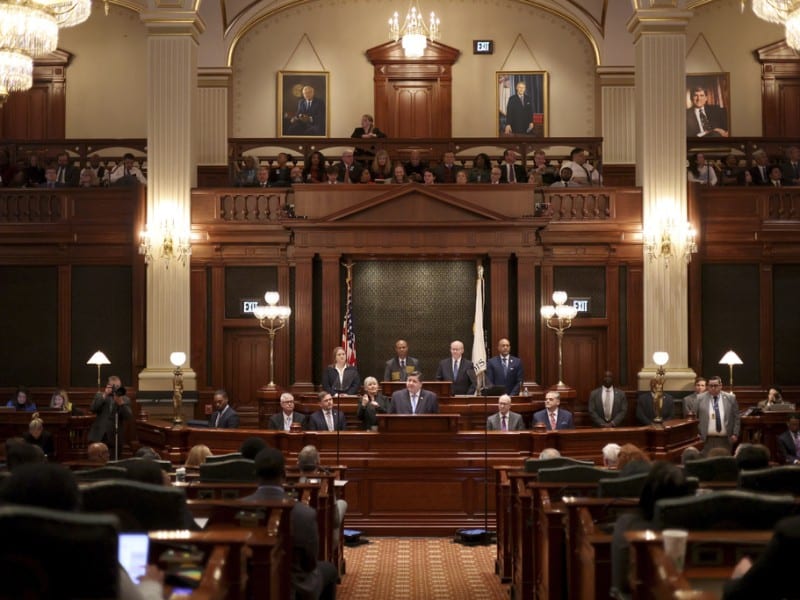
Illinois legislature wraps 2026 with $55.9 billion budget, new corporate taxes and rideshare union rights
The Illinois state legislature sent a record-setting $55.9 billion budget to Gov. J.B. Pritzker at the conclusion of the 2026 legislative session.
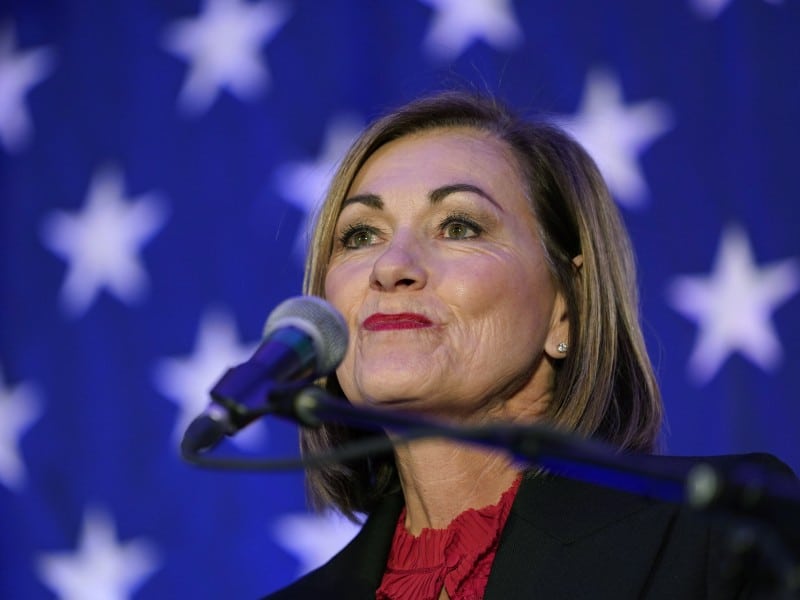
Iowa Gov. Kim Reynolds signs vape tax that will fund cancer research
Iowa Gov. Kim Reynolds signed SF 2480 into law, taxing vapes and nicotine products starting July 2027 to provide $3M annually for pediatric cancer research.