
Illinois
As Texas abortion law proceeds, Illinois abortion clinics see surge in out-of-state patients
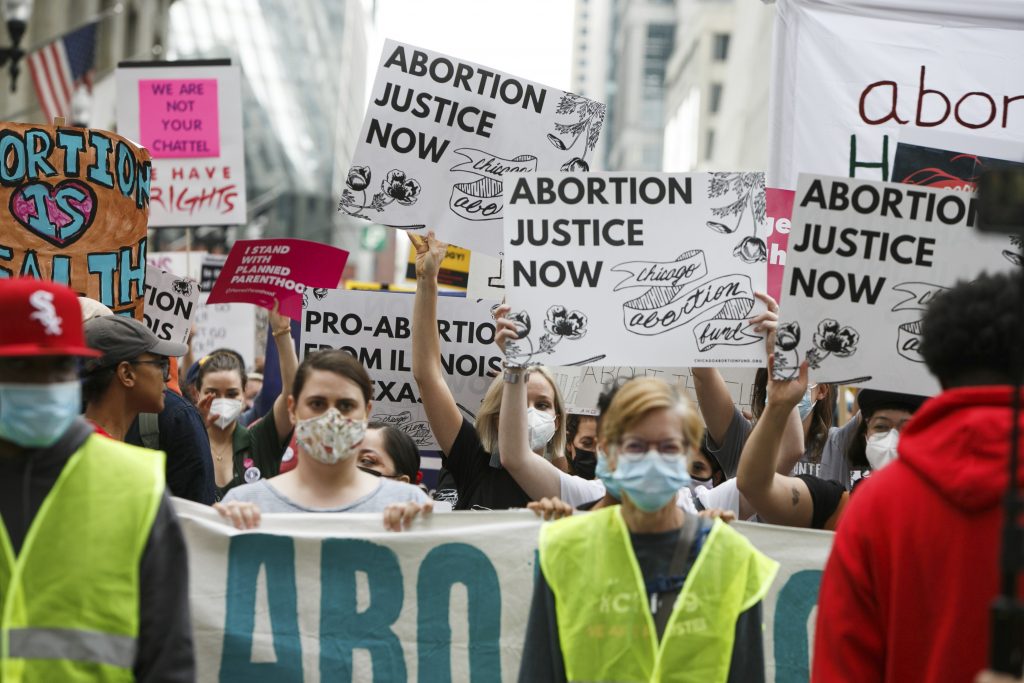
Within days of Texas’ abortion ban getting passed, patients seeking reproductive care began traveling to Illinois.
“Just recently, I had a patient come from Texas who was a freshman in college,” said Dr. Amy Whitaker, the Chief Medical Officer of Planned Parenthood Illinois.
“As soon as she found out she was pregnant she knew she needed to have an abortion. She called the clinic and was scheduled for a week later. She came in and was five days past the abortion ban in Texas.”
Not wanting to miss more than one day of school, Dr. Whitaker said this patient flew in and out of Chicago in one day to get a safe abortion. The lack of access to comprehensive health care has led thousands from out of state to travel to Illinois, which has quicker and more accessible reproductive care than in their home states.
“We are definitely continuing to see a steady stream of patients from out of state, and I expect that to only get more extreme as more states pass similar bans as were passed in Texas.” Dr. Whitaker said.
The draconian abortion law in Texas set a wave of differing laws throughout the country. Illinois is one of few states in the U.S. with little-to-no obstacles to obtain an abortion. Most clinics in Illinois do not require a long waiting period, mandatory abortion counseling or ultrasound requirements.
“Every day, we see people coming from Indiana and Wisconsin. That has been true for years,” said Dr. Allison Cowett, Medical Director of Family Planning Associates.
Family Planning Associates is a Chicago-based medical group that has treated thousands of abortion patients since the 1980s. Dr. Cowett explains the group has seen an increase in patients from states across the country.
“We’ve always been used to people coming from other states, but we have seen really a rise in the number of people coming from further and further away,” Dr. Cowett said.
States enacted more abortion restrictions in 2021 than any previous year since the Supreme Court decided Roe v. Wade in 1971. A growing interest by conservatives in limiting access to abortion and the ability for providers to perform these procedures continues to increase throughout the country.
“It is not just one restriction. It is a compilation of a number of restrictions,” Dr. Cowett said.
All these restrictions disproportionately affect poor women, women of lower socioeconomic status and women of color. Abortion laws will not stop wealthy women from getting abortions, and these bans will hurt those communities that already face a lack of access to health care services.
“The thing that a lot of people don’t realize when we’re talking about abortion bans is how they disproportionately affect people who are already facing barriers in health care and how hard it makes it for people who are already struggling,” Dr. Whitaker said.
The U.S. Supreme Court will hear oral arguments on the Dobbs V Jackson Women’s Health Organization, which involves a 2018 Mississippi law that bans abortion after 15 weeks of pregnancy. The case results could result in a national challenge to the 1973 Roe v. Wade decision, which legalized abortion within the U.S.
Zach Cunning contributed to this report.