
OP-ED: This Independence Day, millions of Illinoisans lack freedom
This injustice — the façade of freedom for all — pervades our entire society and, in particular, our great state of Illinois.
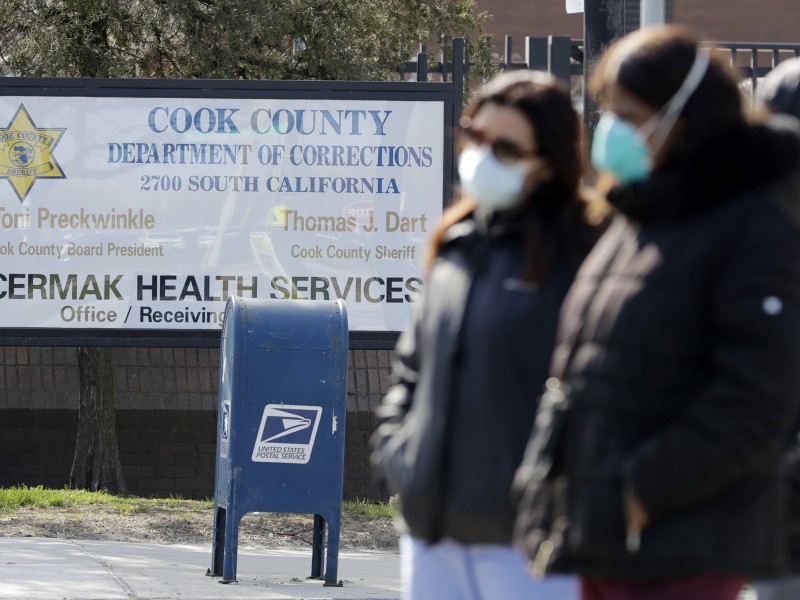
The Fourth of July is here again! And who in America doesn’t love a day filled with barbecues, fireworks, and cheer for the red, white, and blue? Independence Day is meant to be a celebration of “freedom.” Sadly, 246 years after the United States declared its independence, “freedom” or the reality of being “fully free” remains inaccessible for millions of its own residents with arrest or conviction records. This injustice — the façade of freedom for all — pervades our entire society and, in particular, our great state of Illinois.
Millions of Illinoisans are currently suffering from the impact of what has been deemed “collateral consequences,” or what we call “permanent punishments.” Permanent punishments are legal barriers that deny or restrict rights and opportunities for people with a record, long after their involvement in the criminal justice system is over.
When a person is convicted and sentenced, they receive a direct consequence of incarceration, including fines and fees, probation, or parole. What the courts fail to inform defendants of are the hundreds of legal sanctions that follow will follow them, in some cases for the rest of their lives.
For instance, no matter how old our records are, when our loved ones die, they cannot appoint us as an executor of their estate to carry out their last wishes. When we want to help out at our kids’ schools or chaperone a field trip, we are prevented from attending after a background check. We are told to further our education, but higher education students with records are reminded of their past conviction at every turn of the education and employment process.
The Fully Free Campaign was formed to advocate for urgent, comprehensive policy change after a first-of-its-kind study found 3.3 million adults have been arrested or convicted of a crime in Illinois since 1979, and hundreds of laws exist that punish people with records, often indefinitely. The campaign is organizing Illinois residents and asking lawmakers to reform these laws.
The study also illuminated that ending permanent punishments is a must for advancing racial justice, which so many of our state leaders have rightfully named as a top priority. The criminal legal system targets and oppresses Black, Indigenous, and people of color—especially people experiencing poverty—at every step. Therefore, they experience the harshest impacts from arrests to conviction to sentencing.
While Black people represent 13.8% of the adult population in Illinois, they represent 28.9% of the people arrested or convicted of crimes in Illinois. The ripple effects of permanent punishments are devastating to children, families, and communities of color across Illinois.
It is for these reasons that we, alongside partners like LIVE FREE Illinois, the National Alliance for the Empowerment of the Formerly Incarcerated, All Of Us or None, the Illinois Alliance for Reentry and Justice, the Workers Center for Racial Justice, Equity and Transformation, and the Women’s Justice Institute, will be rallying in front of the Cook County Jail this weekend to remind our elected officials that the American promise of freedom will remain incomplete until we ensure all citizens, regardless of our past, have the opportunity to be fully free.
People are supposedly sent to prison to be rehabilitated, and once the term of incarceration is completed, that should be the end. This Independence Day, millions of us are not fully free.
Marlon Chamberlain, Quianya Enge, and Crushion Stubbs are part of the Fully Free Campaign which aims to end permanent punishments for returning citizens. Join the campaign at fullyfree.org.
Heartland Signal encourages news organizations and content creators to use our content. You're welcome to republish this article for free as long as you follow our republishing guidelines.
Related Articles
GOP Wisconsin legislator Zimmerman missed 225 votes last session, some to attend AI summit
Reps. Tip McGuire and Shannon Zimmerman were both booked on the same Milwaukee AI panel on June 24, 2025. McGuire withdrew so he could finish voting on the Assembly floor. Zimmerman made the panel, and votes kept being recorded in his name after he left his seat.
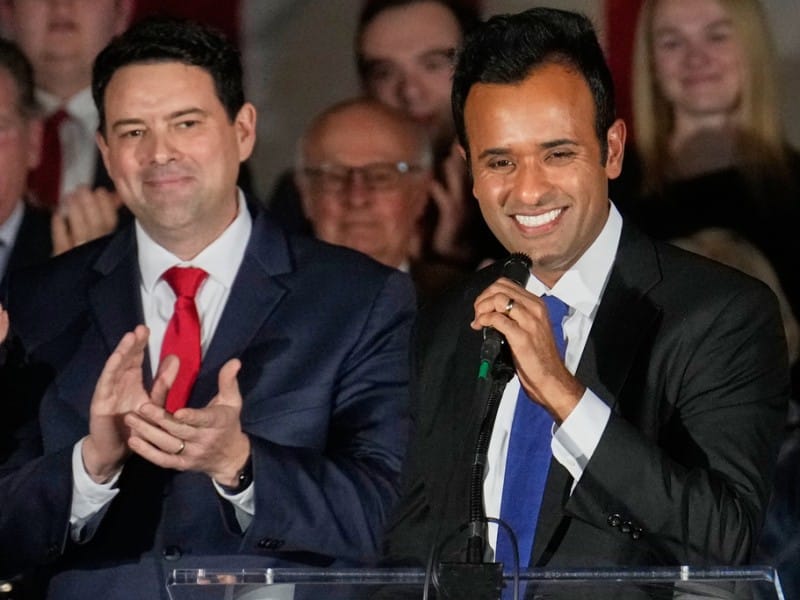
Ohio’s Ramaswamy and McColley have long backed near-total abortion bans
Even after Ohio voters overwhelmingly passed a 2023 constitutional amendment protecting abortion rights, GOP gubernatorial nominee Vivek Ramaswamy and state Senate President Rob McColley remain committed anti-abortion advocates. Audio from a recent rally shows McColley framing the constitutional defeat not as a setback, but as a shift in strategy.
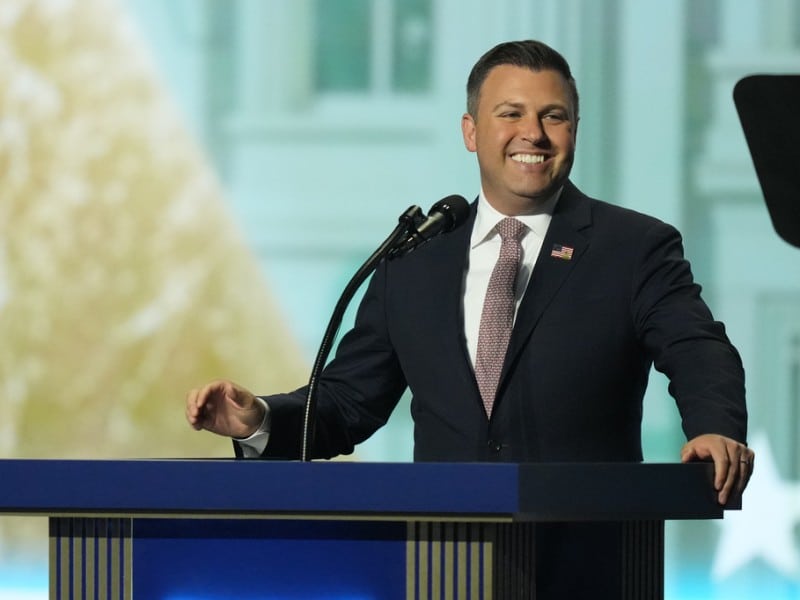
Ryan Mackenzie’s stance on data centers collides with his policy record
Rep. Ryan Mackenzie says data centers should pay their fair share. His record includes a 2021 tax exemption vote and support for limits on local oversight.