
Economy
FDR’s grandson endorses Mandela Barnes, says Ron Johnson is a threat to Social Security
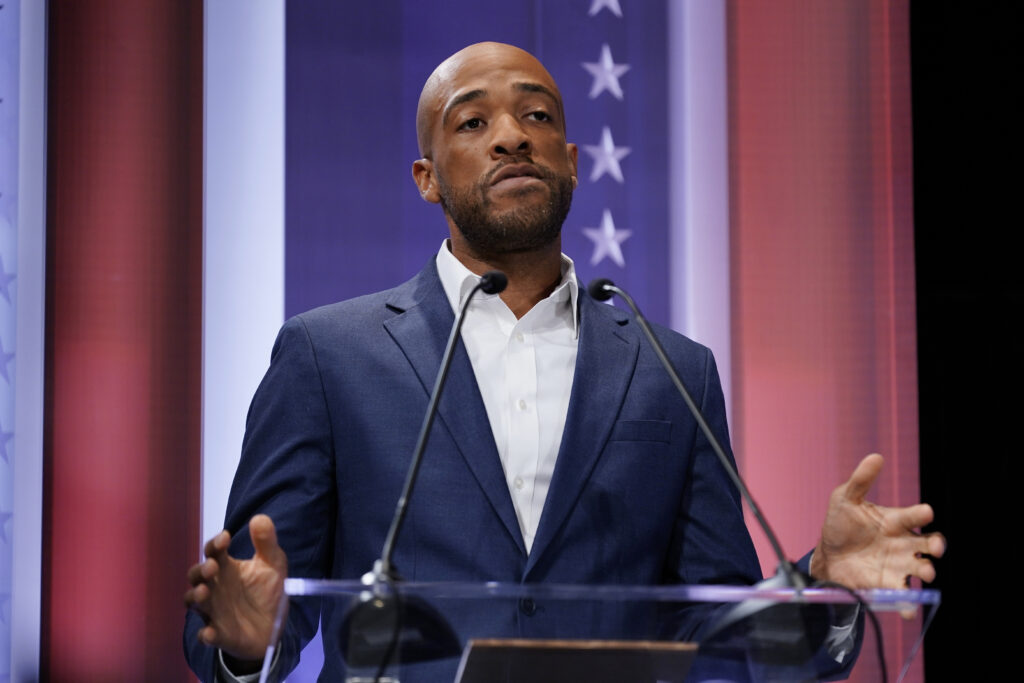
James Roosevelt Jr., grandson of former President Franklin Delano Roosevelt, has endorsed Mandela Barnes (D) in his Senate race against incumbent Republican Ron Johnson and said Johnson was a threat to FDR’s Social Security program.
NEWS: In an email to our members this morning, James Roosevelt Jr., the grandson of FDR, has endorsed @TheOtherMandela.
He is sounding the alarm that Social Security—the most impactful legacy of his grandfather—will be eliminated by extremist Ron Johnson. pic.twitter.com/zts1zf9hXM
— BoldProgressives.org (@BoldProgressive) October 7, 2022
In his endorsement, Roosevelt highlighted the protection of Social Security as the main reason he supports Barnes. Johnson has repeatedly floated the idea of making Social Security spending discretionary, which would allow Congress to cut funding for the popular program. Roosevelt asserts this is what Johnson and other Republicans would try to do should they gain control of Congress again.
“Like Roe vs. Wade, many people have denied that the guarantee of Social Security could ever be overturned,” Roosevelt said in his endorsement. “But that is exactly what extremist U.S. Senator Ron Johnson from Wisconsin is proposing.”
The Social Security Act of 1935 was signed into law as a part of FDR’s New Deal policies, a series of financial programs, regulations and economic reforms to help relieve struggling Americans during the Great Depression. The program ensures workers will receive income after they retire at the age of 65 and protects workers from difficult circumstances through disability benefits.
Johnson and Republican Minority Leader Mitch McConnell have repeatedly called for cuts to Social Security, while Democrats like James Roosevelt have dedicated much of their careers to preserving it. More than 69 million Americans benefit from programs administered by the Social Security Administration.
Johnson and Barnes are polling closely with each other as the highly contested Senate seat could determine the majority of the Senate in January.