
GOP legislators continue to push book bans
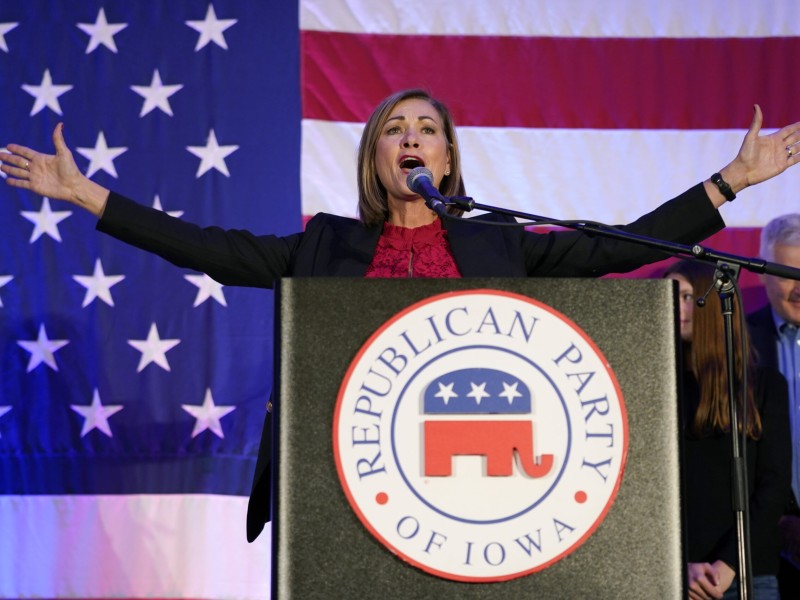
The latest chapter in right-wing culture involves a new wave of book bannings. While many of these prohibitions have been concentrated in the South, a recent bill in Iowa supported by Gov. Kim Reynolds (R) could see the removal of books from public school libraries across the Hawkeye State’s 327 school districts.
Books included in the ban would include Tony Morrison’s literary classic “The Bluest Eye,” prominent YA novels like “Me, Earl, and the Dying Girl” and “The Absolutely True Diary of a Part-time Indian” and books with LGBTQ themes and characters.
The bill would also demand all students to take a citizenship test before finishing primary education and slash a requirement that middle and high schoolers receive education related to the human papillomavirus (HPV).
Reynold’s bill is being supported by conservative activists like “Moms for Liberty” and other advocacy groups — a part of a broader ecosystem of reactionary non-profits, NGOs and parent organizations fueled by recent backlash to rising consciousness surrounding LGBTQ, feminist, and racial politics.
These groups have all pushed for book bans under the auspices of “parental rights” and removing “sexually explicit” content from school libraries.
“This is not about banning books,” explained one such advocate to The New York Times, but rather “letting the parents decide what the child gets rather than having government schools indoctrinate our kids.”
Such efforts have become highly effective: In 2022, book bans across the country spiked. According to a study by PEN America, an organization that promotes the intersection of free speech and literary expression, last year saw “2,532 instances of individual books being banned, affecting 1,648 unique book titles.”
The report found that 81% of these banned books contained either LGBTQ themes or a plot that focused on characters of color.
Heartland Signal encourages news organizations and content creators to use our content. You're welcome to republish this article for free as long as you follow our republishing guidelines.
Related Articles
Missouri education board declines to seek $300 million increase in school aid
After a stalemate, the board voted to keep its foundation formula request flat despite rising costs under state law.
December trial date set for South Dakota lawmaker facing election-related felony charges
A judge in Minnehaha County set a December trial date on Tuesday for a South Dakota state senator facing election-related felony charges.

Jackson County GOP names 9/11 golf sponsorships after attack sites
Sponsorship tiers named for the Twin Towers, the Pentagon and Flight 93 are on sale for a “Tee Off in Remembrance” event on the attacks’ 25th anniversary.