
Minnesota goes big on committing funds to protect natural resources

From protecting and studying waterways to addressing chronic wasting disease, conservation voices say there are a lot of important items in Minnesota’s environmental and energy spending bill. Supporters say it brings sharper focus to many long-standing requests.
With Democrats holding majorities, the Legislature approved a nearly $2 billion omnibus bill to cover environmental, climate and energy priorities.
Jeff Forester, executive director of Minnesota Lakes and Rivers Advocates, said investments like improving boat ramps will help stop the spread of aquatic invasive species.
“Where does it get into the lakes? It gets into the lakes at the boat ramps as equipment and watercraft are moved from one lake to another,” Forester explained. “So making those investments in the boat ramps in signage and places to pull over, it really is an integrated package.”
He also applauded provisions to rein in harmful PFAS chemicals and their connection to waterways and fish. Another item bans new deer farms in hopes of limiting the spread of chronic wasting disease.
Some fee hikes will be used to help cover the new spending, including higher boat registration fees. Republican lawmakers voiced opposition to those aspects of the plan.
Forester credits lawmakers for addressing many long-standing issues, while also looking ahead so agencies and conservation groups are not blindsided by other climate threats down the road. He added part of the forward thinking is a 50-year water study included in the bill.
“Given current conditions, what can we expect the quality and the quantity of water to be in Minnesota in 50 years? What’s it going to look like?” Forester asked. “That’s such a simple question, but it hasn’t been studied yet.”
The bill also wove in the issue of environmental justice, by adding regulations taking into account the cumulative effect of a development project might pose health risks to historically marginalized communities. However, the provision was watered down from the original proposal introduced earlier this session.
Heartland Signal encourages news organizations and content creators to use our content. You're welcome to republish this article for free as long as you follow our republishing guidelines.
Related Articles
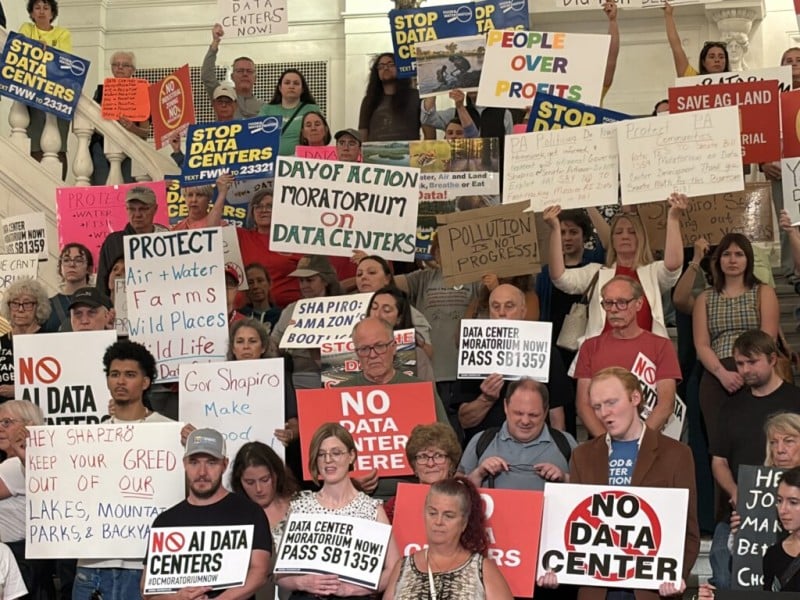
PA legislature wrestles with how to handle data center developments
State legislators in Harrisburg have largely resisted any comprehensive regulation, on data centers, instead focusing on piecemeal, largely bipartisan efforts.
Michigan Speaker Matt Hall defends GOP lawmaker over ‘victim mentality’ comments about colleague’s dead daughter
Michigan House Speaker Matt Hall (R-Richland Township) defended state Rep. Jim DeSana (R-Carleton) Thursday after a Detroit News report revealed DeSana’s controversial comments about one of his colleagues.
Illinois legislature wraps 2026 with $55.9 billion budget, new corporate taxes and rideshare union rights
The Illinois state legislature sent a record-setting $55.9 billion budget to Gov. J.B. Pritzker at the conclusion of the 2026 legislative session.