
Chicago
Reopening Chicago’s mental health clinics still under consideration in early days of Brandon Johnson’s term
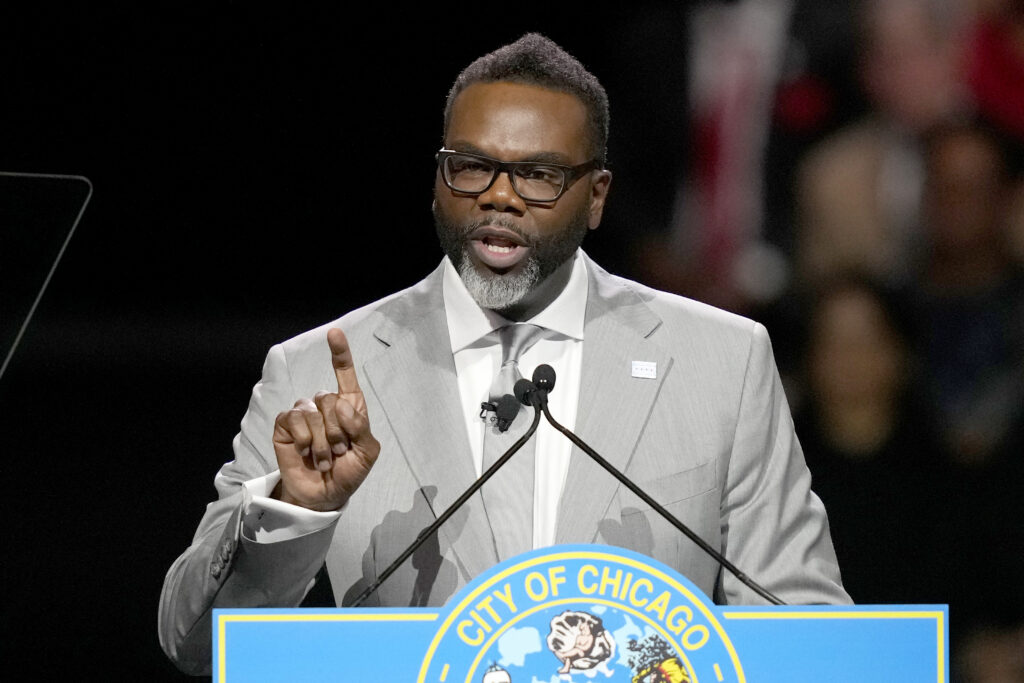
Newly inaugurated Mayor Brandon Johnson has pledged to bring several city-funded mental health clinics back to Chicago, but the path to accomplishing that goal is unclear.
In the middle of a lengthy speech during his inauguration covering many topics, Johnson specifically pledged to reopen the defunct mental health facilities.
“I want to make sure that no one ever has to suffer because they do not have access to mental health services,” Johnson said last month at the Credit Union 1 Arena. “So let’s bring together the private sector, the public sector, the county, the state and federal government to find the best solutions for delivering these services, including reopening our mental health care centers across the city of Chicago.”
In 2011, half of Chicago’s 12 city-funded mental health clinics were closed under former Mayor Rahm Emmanuel’s administration in an effort to shrink budget gaps. The City Council unanimously voted 50-0 for Emanuel’s budget plan that made this plan a reality. The former mayor’s actions caused an uproar in the community and many critics emerged. Cook County Sheriff Tom Dart became one such critic, who contended that the move resulted in the Cook County Jail becoming the largest mental health facility in the city. He also argued that many of those inmates should be in the health care system, not the criminal justice system.
Mayor Lori Lightfoot pledged to bring the clinics back before she was elected in 2019, but she broke that promise and instead opted to funnel money for mental health services into privately funded non-profits. She contended that the clinics had “significant gaps” in serving communities of color and that her “holistic strategy” addressed them, according to WTTW’s Heather Cherone.
“The vision has been realized,” then-Mayor Lightfoot said last year. “We are on the right path.”
Lightfoot also appointed Dr. Allison Arwady as the public health commissioner, someone who has been vocal in her opposition to reopening the city-funded clinics. Over the past few years, Alderwoman Rossana Rodriguez-Sanchez has been advocating for the return of city-funded clinics through the “Treatment, Not Trauma” campaign, which Lightfoot labeled as an effort to defund the police. A bill of the same name was sponsored by Rodriguez-Sanchez, who argued that funding nonprofits was not as effective as the city run clinics. When organizers put the Treatment Not Trauma ordinance up for a vote in three wards last November, each ward voted to approve it by a range of 93% to 98% approval across the wards.
“It’s not a reliable or sustainable system,” Rodriguez-Sanchez told Illinois Answers Project last month about funding private non-profits. “The conversation that we are having now is about how we deliver quality public, direct mental health care and social services in a way that is sustainable.”
Arwady vehemently opposed the ordinance and sent a two-page letter to the rest of the alderpeople condemning the legislation. Rodriguez-Sanchez did not respond to multiple requests for comment.
During his campaign, Brandon Johnson vowed to fire Arwady from her position. However, just days after taking office, Arwady confirmed that she would remain in her position at least initially and that she is open to remaining the public health commissioner in the future.
“Mental health care is one of the most pressing issues facing our city, and we are committed to making high-quality, no-barrier care accessible to as many Chicagoans as possible,” Arwady said in a statement to Heartland Signal. “I will be working collaboratively with Mayor Johnson as he establishes his priorities and agenda for the direction of Chicago’s public health system. It’s important to the continuity of services and supports that Chicagoans have the resources they need, particularly mental health resources and trauma-informed care.”
Johnson appeared to soften his stance after meeting with Arwady before his inauguration. He says he is still open to a replacement, however.