
Oklahoma GOP restricts ballot measure process, likely blocking a minimum wage increase
The Republican-controlled Oklahoma state Senate passed House Bill 1105 on Wednesday, a piece of legislation that restricts the citizen-led ballot measure process and threatens a proposed initiative to increase the minimum wage.
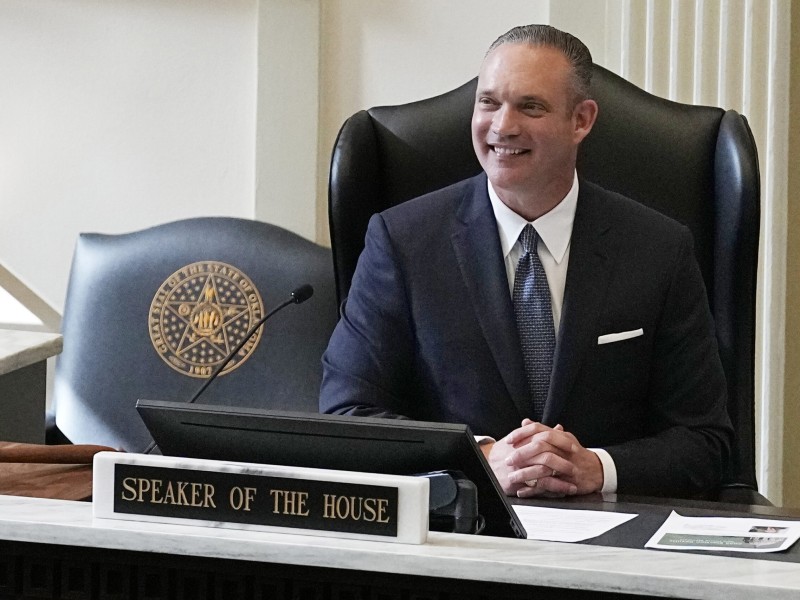
The Republican-controlled Oklahoma state Senate passed House Bill 1105 on Wednesday, a piece of legislation that restricts the citizen-led ballot measure process and threatens a proposed initiative to increase the minimum wage.
The most recent version of the bill was written by Oklahoma Speaker Charles McCall (R-Atoka) and co-sponsored by Sens. Julie Daniels (R-Bartlesville) and David Bullard (R-Durant). The new law extends the timeframe to protest the number of signatures a ballot measure has received from 10 days to 90 days. Republicans argue the 10-day period, which has been in place since 1910, is too much of a financial burden for opponents of a given measure.
This law not only restricts future ballot measures, but also a proposed question which was set to appear in front of voters this November. This referendum would have asked voters whether Oklahoma should increase its minimum wage from the current $7.25 an hour. Under HB 1105, organizers need to gather the required 92,263 signatures by the July 14 filing deadline, and then wait until mid-October for the protest deadline to pass. This makes it highly unlikely for the measure to appear on the ballot on Nov. 5 even if no protests are filed.
Below is how much Oklahoma’s minimum wage would increase if the proposed measure passed into law:
Current: $7.25
2025: $9.00
2026: $10.50
2027: $12.00
2028: $13.50
2029: $15.00
Oklahoma has one of the lowest minimum wages in the country and has not increased it since 2008, when the state raised it from $6.55 to $7.25.
HB 1105 passed in the Senate by a vote of 38-7 after Democrats attempted to filibuster for over an hour. All seven of the nay votes came from Democrats. The legislation now goes to Gov. Kevin Stitt’s (R) desk, who is expected to sign it into law.
Heartland Signal encourages news organizations and content creators to use our content. You're welcome to republish this article for free as long as you follow our republishing guidelines.
Related Articles
![Michigan gubernatorial candidate Anthony Hudson speaks into a microphone at a city council meeting, wearing a black sweatshirt reading "[illegible] NOT?" and a cap reading "FIX MICHIGAN."](https://d27ejbywo8x2i0.cloudfront.net/wp-content/uploads/2026/09/29164519/jhu-1024x662-1-800x600.png)
Michigan Libertarian Party disavows its own gubernatorial nominee
The Michigan Libertarian Party released a statement Tuesday afternoon disavowing Anthony Hudson, a Genesee County truck driver who is the party’s own gubernatorial candidate.
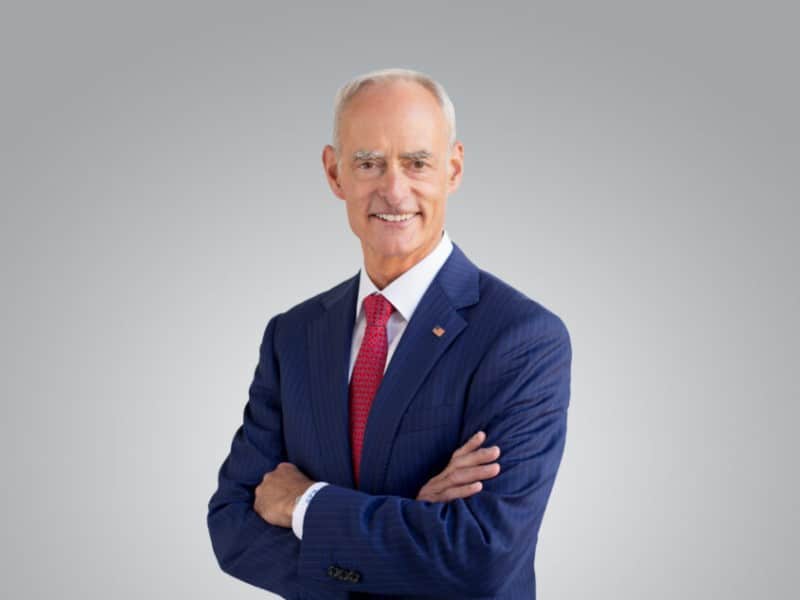
Minnesota AG candidate’s stock portfolio presents 174 potential conflicts of interest
If Republican Ron Schutz wins the attorney general’s race in November, he will be responsible for enforcing Minnesota’s laws against the country’s biggest and most powerful corporations. His own personal fortune is staked on many of them.
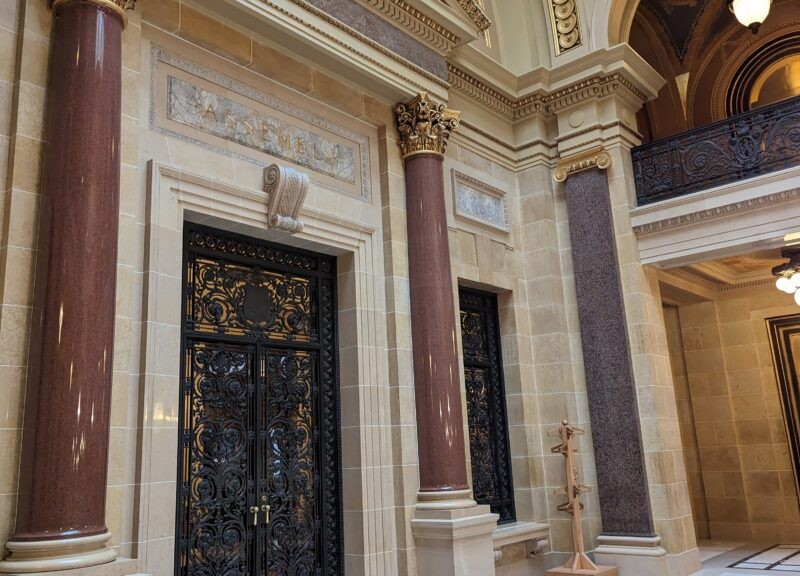
Assembly GOP candidates in competitive seats try to distance themselves from their party
Republicans’ control of the Wisconsin Assembly is up in the air this November, and GOP candidates in competitive districts are taking steps to convince voters to allow them to extend their 16-year streak of leadership, including by distancing themselves from Republican leaders in Washington, D.C. and in Wisconsin.