
Opinion
OP-ED: Trump’s divisive rhetoric on Harris’ mixed heritage mirrors my lifelong experiences of hatred
In the wake of Donald Trump’s recent comments at the National Association of Black Journalists conference, where he questioned when Vice President Kamala Harris “turned Black,” we are once again confronted with the destructive power of divisive rhetoric. As a person of mixed heritage who has experienced racism firsthand and as a former political candidate, I’ve seen how these tactics can shape political discourse.
Social scientist Paul Rosenberg aptly noted in 2012 that “these kinds of claims cannot be un-made after the fact. Once out there, they never go away.” This observation rings painfully true for me. For as long as I can remember, I have encountered the sting of racism and the struggle to define my identity in a world quick to categorize and judge.
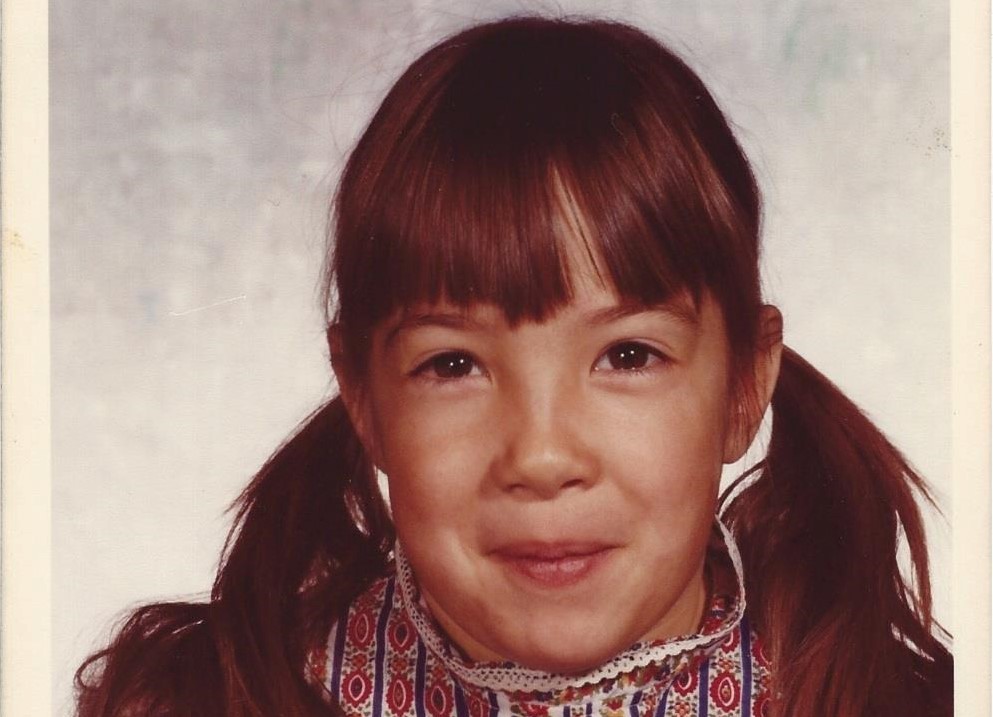
Growing up in a predominantly white neighborhood, with a Mexican mother and a second-generation Irish father, I was often singled out for my appearance. In kindergarten, a classmate called me a “chink.” This racial slur, likely heard at home in the 1970s, demonstrates how easily children can internalize and perpetuate harmful stereotypes.
In second grade, a friend’s father questioned my heritage, expressing relief when he learned of my Irish background — as if that somehow made me more acceptable. Early experiences like these taught me how quickly people can be “othered” based on their perceived racial or ethnic identity.
The racism I faced wasn’t just verbal. In fourth grade, I endured physical bullying when classmates held me down on the playground and force-fed me food from garbage cans while calling me names like “wetback.” Traumatic experiences like these underscore how divisive rhetoric can escalate into real-world harm, particularly for vulnerable children.
As an adult, I’ve seen these same tactics of division and “othering” play out in the political arena. During my run for office, my heritage became a tool for opponents to sow discord among voters. My legal name is Patricia Bonnin, but the professional entertainer name I’ve used for decades in comedy and radio is Patti Vasquez. Rumors spread that Bonnin was a “fake” name used to appeal to white voters, while talk also implied Vasquez was an underhanded appeal to Latino voters. Opponents implied I wasn’t white enough to appeal to whites or Latino enough to rightfully appeal to Latinos.
The truth about my name is that when starting out in entertainment in 1994 my brother’s murderer, John Wayne Gacy, was being executed. Not wanting to abandon my family name, Bonnin, but wanting to protect my family from unwanted publicity, I used my mother’s name, Vasquez.
However much I wanted to keep this private, the use of racial politics forced me to reveal my family’s history. And however much I wanted to unite communities for common benefits, I saw how there are always those willing to use race and identity to sow division for political gain.
Trump’s recent comments about Vice President Harris are a high-profile example of this destructive pattern. By questioning her racial identity, he attempts to delegitimize her experiences while appealing to racist sentiments. This rhetoric doesn’t just harm the individual targeted; it perpetuates harmful stereotypes and encourages others to view complex identities through a hateful lens.
As a society, we must recognize the lasting damage caused by such divisive tactics. When we allow politicians and public figures to use race and ethnicity as wedges, we give permission for these attitudes to permeate our communities, schools and workplaces. The children who called me racial slurs learned that behavior from adults. The bullies who physically assaulted me were emboldened by a culture that often treats those perceived as “different” as less than human.
We must challenge ourselves and our leaders to rise above these divisive tactics. Our diversity should be celebrated, not weaponized. We need to foster a society where complex identities are respected and understood, rather than simplified for political gain or used as grounds for discrimination. By doing so, we can build a culture that values individuality while recognizing our shared humanity, resisting the urge to categorize people for convenience or political advantage.
The path forward requires courage — the courage to speak out against racism in all its forms, to challenge our own biases and to demand better from our leaders. It’s a difficult journey, but one that’s essential for the health of our democracy and the wellbeing of all who call this nation home.
Personally, I have always embraced the fullness of my identity, including all the features that make me unique. I’m proud to be an American who embodies the sacrifices and dreams of my ancestors — from my mother who immigrated from Mexico to my Irish forebears who sought a better life in America. My heritage is a testament to the diverse tapestry that makes up our country.
Patti Vasquez hosts “Driving It Home” every weekday from 5-7 p.m. CST on WCPT 820AM. Follow her on X @ThePattiVshow.