
Elections
Nebraska Sen. Deb Fischer backs out of two-term pledge, finds out how her job works
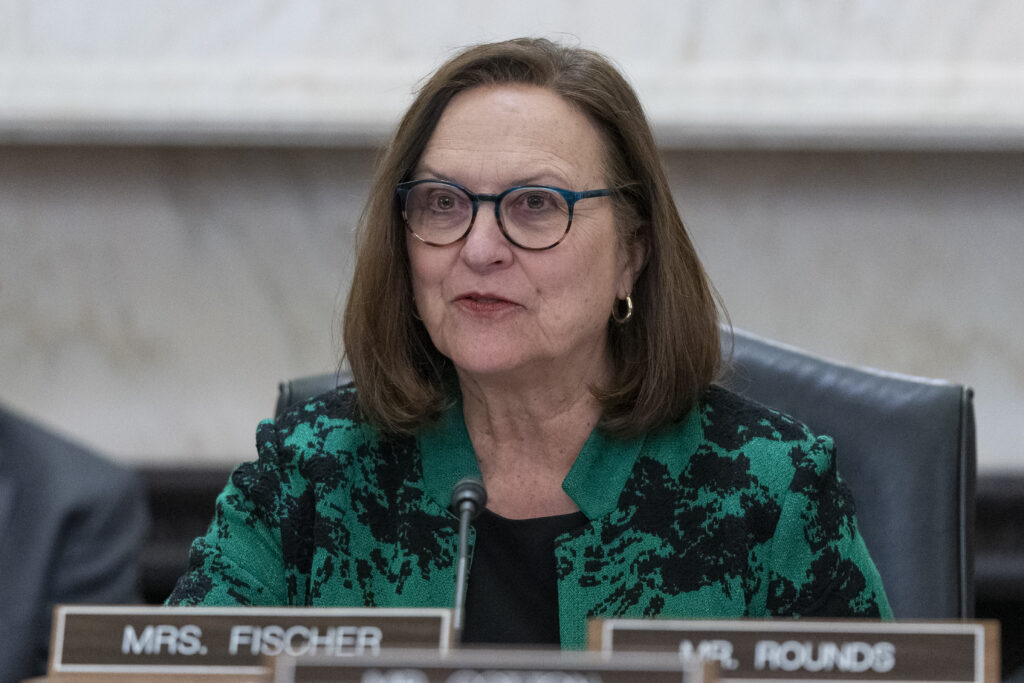
Nebraska Sen. Deb Fischer (R) backed out of a long-held campaign promise, but not one that the average voter might have expected. In Fischer’s first race for Senate, she specified that she would only be in office for a maximum of two six-year terms. She says that now changed, telling KETV that she’s just recently learned of Senate seniority and that “she’s learned how the place works.”
Sen. Deb Fischer (R-NE) tells KETV that she’s breaking her previous pledge to only serve two terms and is now running for a third because “I learned how the place works,” blaming seniority rules in the Senate.
“Term limits only work if you have that level playing field.” pic.twitter.com/ViPRjljRQz
— Heartland Signal (@HeartlandSignal) October 7, 2024
The comments are suspect considering that Fischer has been in office since 2013, and that newly elected members of Congress are given weeks long training regarding the legislative process and about the implementation of Robert’s Rules of Order. The senator once championed a message of accountability and change, cosponsoring a 2015 resolution endorsing a constitutional amendment to implement term limits. Now, Fischer finds herself defending an entirely different narrative — one where she supposedly needs over 12 years in the Senate to properly do her job. It’s a shift that could alienate voters who were drawn to her initially on the promise of limiting her time in Washington.
Fischer has found herself in a surprisingly competitive race as Dan Osborn, an independent candidate and former leader of an Omaha labor union, has now eclipsed her in recent polling. While Osborn is unlikely to officially caucus with the Democrats if elected, the Senate GOP’s campaign arm (the National Republican Senatorial Committee) has been aggressively trying to paint him as a “Bernie Sanders” independent, and that Osborn would cost the Republicans control of the Senate. Osborn has denied any ties to Sanders, outside of welcoming his support for striking workers in Omaha in 2021.
Meanwhile, Osborn continues to capitalize on Fischer’s vulnerabilities. His campaign, largely fueled by grassroots enthusiasm, is portraying him as the anti-establishment alternative. His growing support, especially among younger voters and independents, has raised concerns among Republicans. If Osborn can maintain his momentum and draw even a small number of conservative votes away from Fischer, the race could become one of the tightest in the country this cycle.