
Environment
EPA grants $21.9M for Michigan port upgrades, emission planning
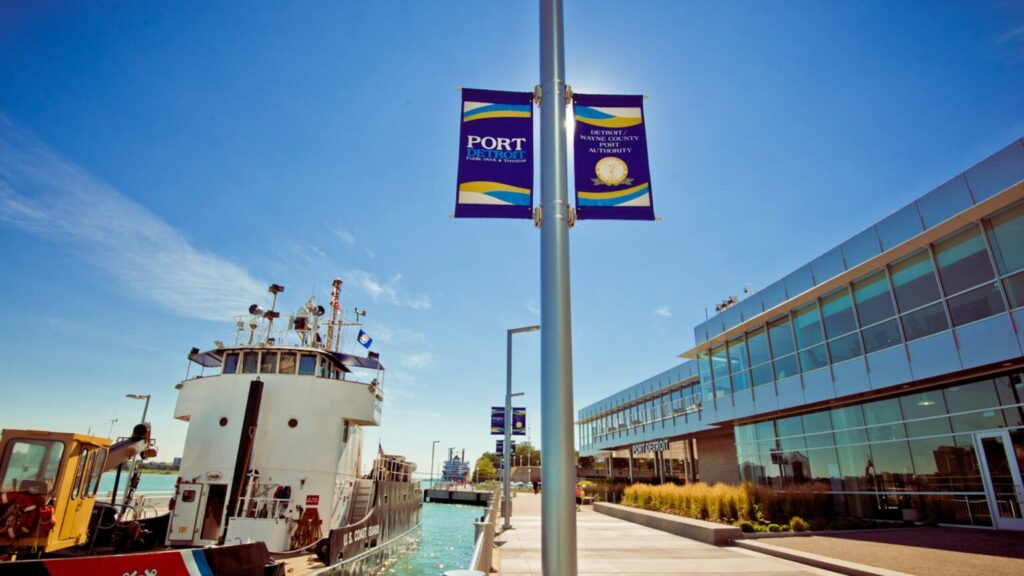
The Environmental Protection Agency is delivering more than $21.9 million to the Detroit/Wayne County Port Authority, aiming to provide a greener future and cut pollution from port equipment.
Detroit’s Port Authority runs several terminals moving goods and passengers. Steel is the most valuable cargo, while ore is the heaviest. The port also handles things such as stone, coal and cement. The grant will help cover the cost of equipment, such as battery-electric forklifts, cranes, rail car movers, charging stations and solar panels.
Mark Schrupp, executive director of the Detroit Wayne County Port Authority, is especially excited about adding six battery-operated forklift trucks.
“Instead of having diesel fumes going into the air, you’re going to have nothing going into the air,” Schrupp pointed out. “That’ll be the biggest impact is on air quality, or the workers and the people around those terminals.”
Schrupp noted the funding will help them reach their goal of achieving net-zero carbon emissions by 2040, while also improving air quality in the Southwest Detroit area, which has been deemed to have the worst air quality in Michigan.
He highlighted Port Detroit will also get a $3 million grant to plan a switch to hydrogen and green methanol, train workers and explore a zero-emission fuel cell barge for docked ships. The funding comes from the Inflation Reduction Act and the EPA’s Clean Ports program.
“Electric equipment is good, but in the long run, the heavier duty equipment will probably run better with hydrogen-powered fuel cell equipment,” Schrupp explained. “A lot of that equipment is still in research phase, so we’re not in a position to transition right now.”
Schrupp noted Southwest Detroit Environmental Vision will lead community engagement and worker training, while Michigan Clean Cities and NextEnergy will support zero-emission equipment.