
States
Report: Some Wisconsin courts jailing people for unpaid tickets
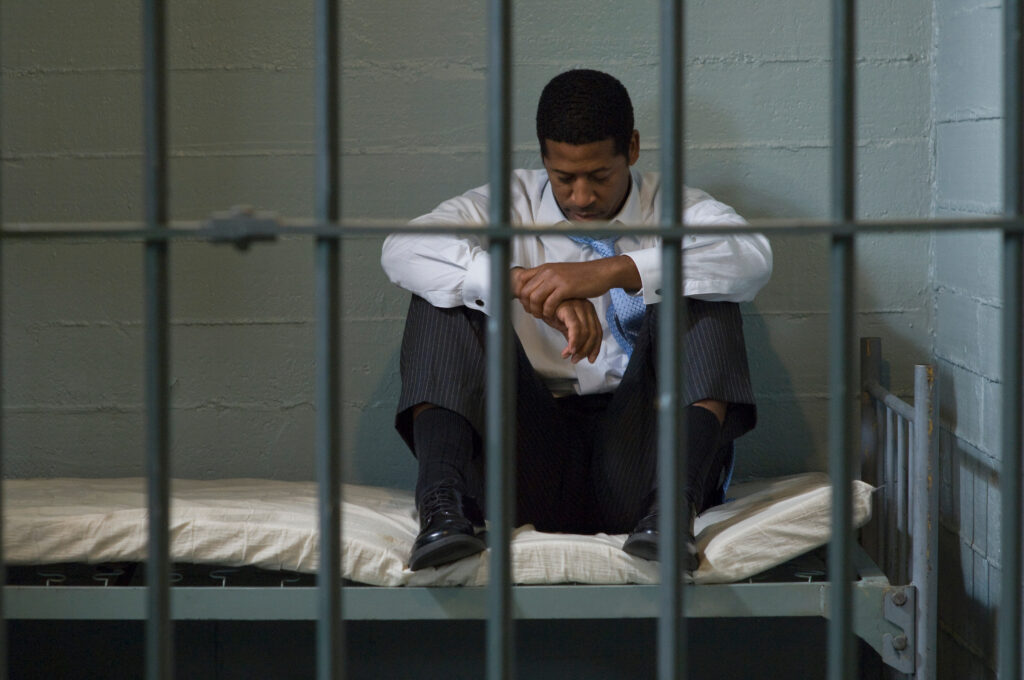
If you have any unpaid traffic or parking tickets, the latest report on Wisconsin’s municipal courts said in some areas, you could go to jail if you do not pay them, and the risk is higher for people of color.
The report from the ACLU of Wisconsin showed most municipal courts across the state do not issue jail sentences or fines, known as “carceral sanctions,” but some still do.
Emma Shakeshaft, senior staff attorney and researcher for the ACLU of Wisconsin, said it seems the burden falls harder on under-resourced residents.
“The detrimental effect of these forfeitures in general, and especially warrants and commitments, fall disproportionately on communities without resources — financial resources — and people of color,” Shakeshaft reported.
Of the more than 200 municipal courts in Wisconsin, the report showed about 52 still impose jail time and fines. While the report does not include a statistical analysis of racial disparities, Shakeshift pointed out court-provided data show about 70% of warrants and about 50% of commitments issued in Milwaukee between January 2023 and August 2024 were for defendants who are Black.
If you find yourself in a municipal court and cannot afford to pay your tickets, Shakeshaft noted you have the right to request what is known as a poverty hearing, to request payment alternatives. But the report found instead, most of the courts still using carceral sanctions implement aggressive tactics like jailing people for unpaid tickets to increase enforcement and funding.
Shakeshaft added some people have multiple unpaid tickets for city ordinance violations, from traffic or parking tickets to disorderly conduct and issues with vehicle registrations.
“Paying that off can be an incredibly difficult task,” Shakeshaft emphasized. “For people who can’t afford it, they’re just continuously kept in the legal system.”
Shakeshift stressed while the infractions are not criminal offenses, the outcome for some people is the same in courts issuing carceral sanctions. The ACLU of Wisconsin is asking all municipal courts across the state to end the practices and implement what it called a more rational and equitable approach to addressing debts.