
Coronavirus
Ohio Gov. Mike DeWine vetoes GOP-backed legislation to defang state medical board
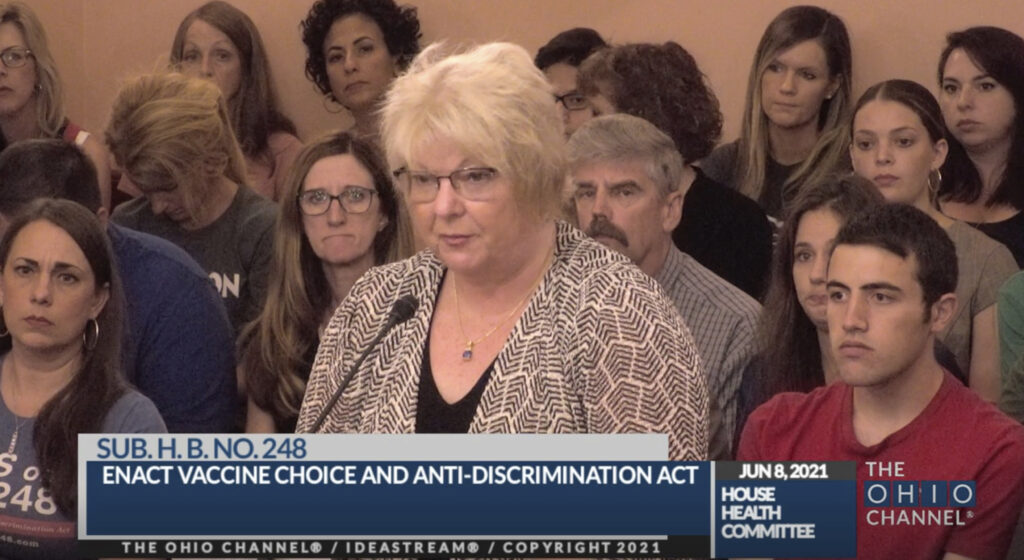
On Thursday, Ohio Gov. Mike DeWine (R) announced he is vetoing a portion of House Bill 315 that would protect doctors from receiving punishment for prescribing potentially harmful medical treatments.
“It is not in the public interest and instead could lead to devastating and deadly consequences for patient health,” DeWine said about the provision on Thursday night.
The vetoed section would have prohibited state health regulators like the Ohio Department of Health, Board of Pharmacy and State Medical Board from disciplining health care providers who prescribe questionable medical treatments.
“We think it’s very important to hold doctors to the standard of care when evaluating whether or not they’ve committed misconduct,” Medical Board President Dr. Jonathan B. Feibel said during a press conference last week.
The Republican-written provision comes after the Medical Board fined and suspended Dr. Sherri Tenpenny for failing to cooperate with an investigation, which was prompted after 350 complaints were issued about her. In 2021, Tenpenny publicly testified in favor of a previous version of the provision DeWine just vetoed. During her testimony, Tenpenny falsely claimed that COVID-19 vaccines cause people to become magnetized and that the ingredients “interfaced” with cell towers.
Tenpenny was testifying in favor of House Bill 248, which was sponsored by state Rep. Jennifer Gross (R-West Chester). HB 248 would have prevented schools, hospitals and other public entities from requiring any vaccines for workers. Gross also wrote House Bill 73, which originally contained the provisions to prevent health care providers from being punished.
The Ohio legislature has been dominated by the Republican Party in part because of partisan gerrymandering since 2010. In recent weeks, the body has also passed bills undermining the separation of church and state and blocking gun safety bills.