
Dismantling DEIA initiatives may harm Pennsylvania disability rights

For Pennsylvanians with disabilities, there may be unexpected side effects to ending so-called Diversity, Equity, Inclusion, and Accessibility policies.
President Donald Trump has opted to eliminate DEIA initiatives in federal agencies and federally funded programs.
His executive order signed in January characterizes DEIA policies as “discriminatory.”
But in Pennsylvania, Mallory Hudson – the director of the disability justice program at the Keystone Progress Education Fund – said a memo went out ordering the Justice Department’s Civil Rights Division to not file any new complaints, motions to intervene, agreed upon remands, amicus briefs, or statements of interest.
“That means that the Department of Justice Civil Rights Division has been instructed not to file any new civil rights cases, right?” said Hudson. “And that includes ADA complaints. So, those are – that is one of the few ways that disabled people can even protect their civil rights.”
She adds the Americans with Disabilities Act was first passed in 1990 under President George H.W. Bush, and its legal precedent was based on the Civil Rights Act of 1964.
Hudson said another potential concern is the future of the Inflation Reduction Act under the new administration.
She noted that the IRA has allowed the Centers for Medicare and Medicaid Services to negotiate drug prices – and many are benefiting from its progress, like a $35 co-pay for insulin.
“Older adults and some folks with disabilities have been able to do that $35 copay, and for folks on disability, that’s still a pretty big chunk of change,” said Hudson. “But it was better than before – and then, that meant taxpayers were paying the difference.”
Lower prices have been negotiated for 10 medications so far, cutting costs for patients and saving taxpayers billions.
It’s estimated that if the IRA had been enacted in 2023, it would have slashed prescription drug spending by 22% – or roughly $6 billion.
Heartland Signal encourages news organizations and content creators to use our content. You're welcome to republish this article for free as long as you follow our republishing guidelines.
Related Articles

GOP Wisconsin legislator Zimmerman missed 225 votes last session, some to attend AI summit
Reps. Tip McGuire and Shannon Zimmerman were both booked on the same Milwaukee AI panel on June 24, 2025. McGuire withdrew so he could finish voting on the Assembly floor. Zimmerman made the panel, and votes kept being recorded in his name after he left his seat.
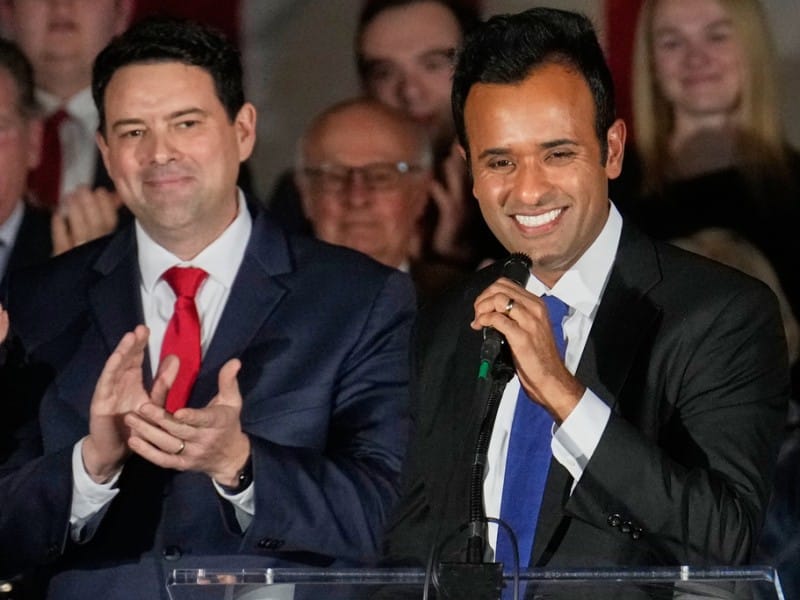
Ohio’s Ramaswamy and McColley have long backed near-total abortion bans
Even after Ohio voters overwhelmingly passed a 2023 constitutional amendment protecting abortion rights, GOP gubernatorial nominee Vivek Ramaswamy and state Senate President Rob McColley remain committed anti-abortion advocates. Audio from a recent rally shows McColley framing the constitutional defeat not as a setback, but as a shift in strategy.
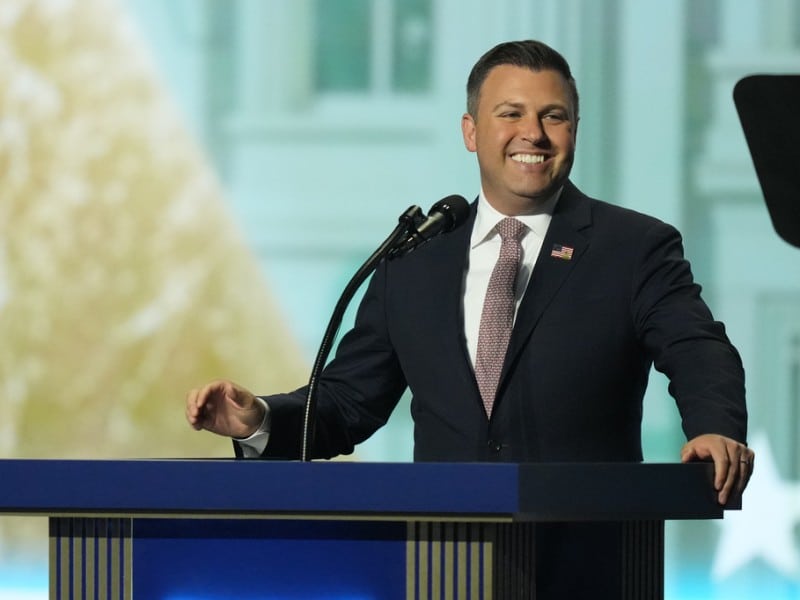
Ryan Mackenzie’s stance on data centers collides with his policy record
Rep. Ryan Mackenzie says data centers should pay their fair share. His record includes a 2021 tax exemption vote and support for limits on local oversight.