
Poll: Voters oppose Missouri House repeal of Prop A’s sick-leave provision
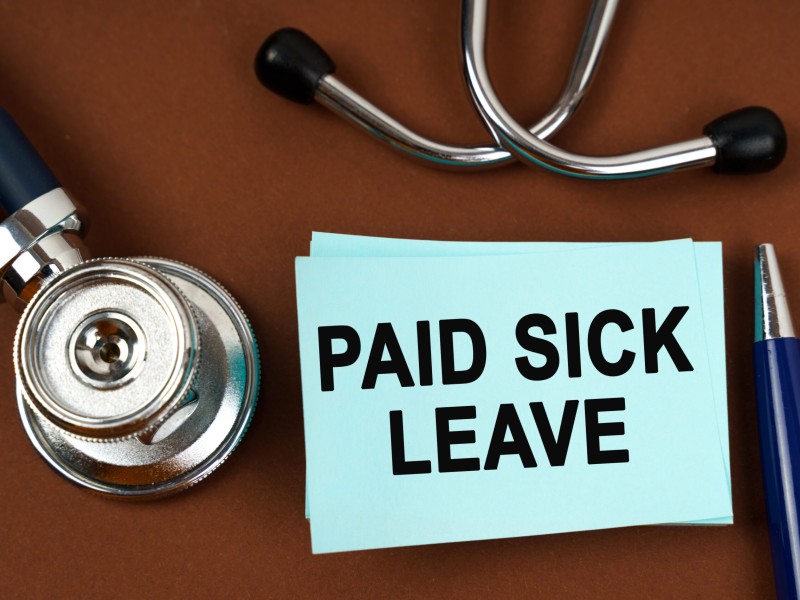
Despite voter approval in November, Missouri lawmakers are moving to undo part of Proposition A, specifically, the clause requiring employers to provide paid sick leave.
The Missouri House passed the repeal legislation last month by a 96-51 vote. The provision was approved by nearly 60% of voters, who also supported raising the state’s minimum wage to $15 an hour by 2026.
Prop A proponents said repealing any part of the measure so soon after its approval undermines the will of the voters.
John Davis, partner at the bipartisan polling firm Red America, Blue America Research, said its latest survey showed 75% of respondents oppose efforts to repeal the legislation.
“Legislators who are thinking about what voters had approved just this past November should be concerned that there’s such a strong response in opposition to that particular type of proposal,” Davis noted.
Supporters of the repeal contended the sick-leave mandate is too rigid and burdensome, warning it could lead to reduced hiring or even business closures. The bill is now in the Senate, which has two weeks to act before the mandate takes effect May 1.
Business groups have filed lawsuits claiming Proposition A violates Missouri’s single-subject rule by linking minimum wage hikes with paid sick leave. Supporters of the repeal also argued the Legislature can amend the law without a public vote since it changed state law, not the constitution.
Davis highlighted the importance of public opinion surveys.
“Some of the decisions made at statehouses are of extraordinary consequence,” Davis pointed out. “What we have tried to do is just establish sort of baselines, to take a look over time how folks are feeling about a variety of topics, because state laws really do impact people very, very directly.”
If the Missouri Senate approves the bill, it will move to Gov. Mike Kehoe’s desk, where he can sign it into law, veto it, or allow it to become law without his signature.
Heartland Signal encourages news organizations and content creators to use our content. You're welcome to republish this article for free as long as you follow our republishing guidelines.
Related Articles
Tiffany campaign blocks Milwaukee Journal-Sentinel reporter from event
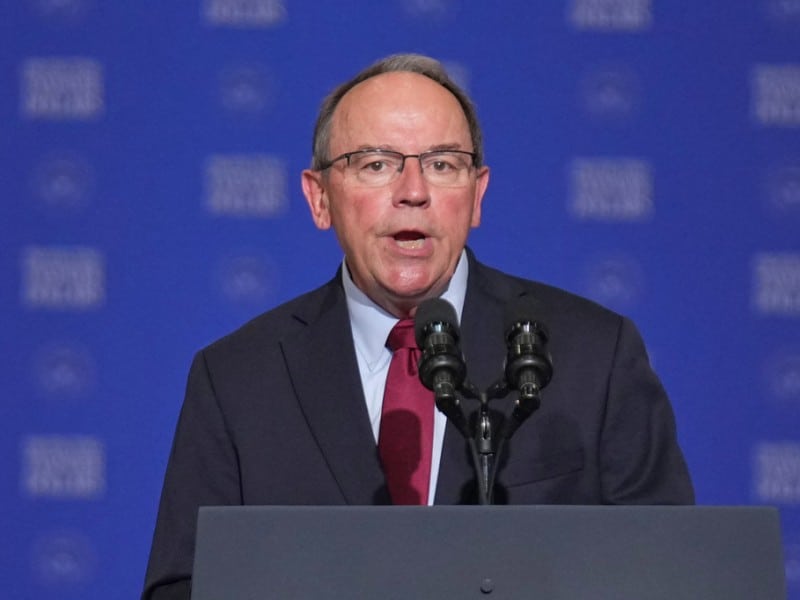
The gubernatorial campaign of Republican Tom Tiffany blocked a reporter for the Milwaukee Journal-Sentinel from entering an event in Milwaukee Thursday, preventing the state’s largest newspaper from covering the campaign.
Ohio GOP lawmakers tee up votes for gas tax holiday after Acton, then Ramaswamy, back idea
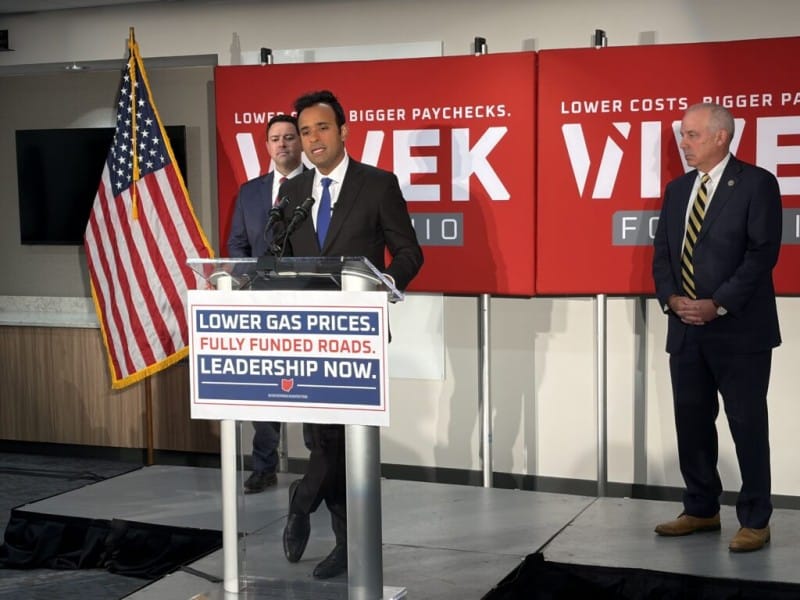
Ohio Republican candidate for governor Vivek Ramaswamy introduced his plan Wednesday for a 90-day gas tax holiday. It comes on the heels of Democratic candidate Amy Acton calling for a similar halt to the tax.
Amendment 6 could make another Missouri congressional gerrymander much harder
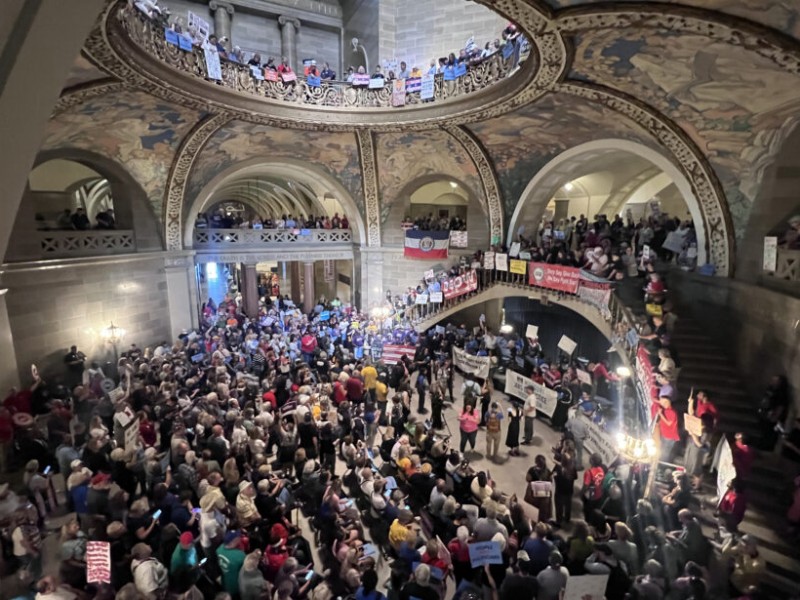
If voters reject the gerrymandered map in November, a second ballot measure could require 80% legislative support and another statewide vote for lawmakers to pass another map prior to the next census.