
Child care
Report: Trump administration’s Head Start cuts would slash benefits for thousands in Michigan
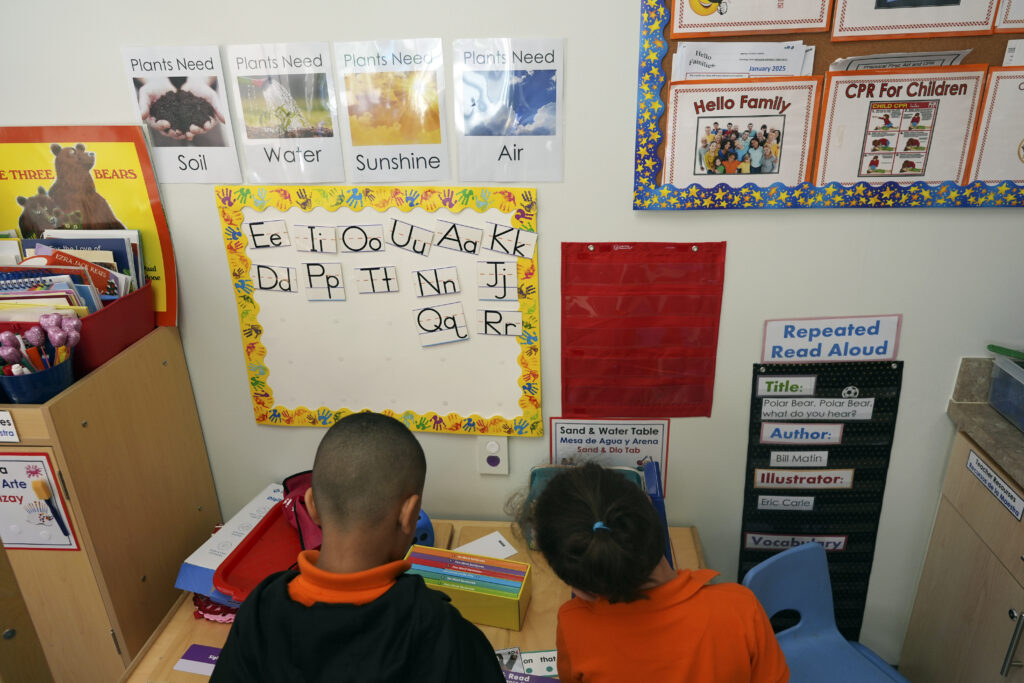
Over 25,000 Michigan children would lose access to Head Start programs under the Trump administration’s planned cuts, a recent report found.
Head Start is a federal program founded in 1965 that provides early childhood education, health care and counseling services for low-income children and families.
Under a recent budget proposal, the Trump administration would completely eliminate Head Start and reallocate funds to new agencies under Secretary Robert F. Kennedy Jr.’s Department of Health and Human Services. Congress would have to approve the changes, and the Republican-controlled legislature has already shown support for other devastating federal cuts.
According to Axios and the Center for American Progress (CAP), more than 28,000 Head Start slots in Michigan alone would be eliminated, leaving thousands without vital child care services. Services in 1st Congressional District of the state, which includes the upper panhandle would be some of the most severely affected in the country, losing over 5,300 seats according to estimates. Axios reported that Michigan’s 13th Congressional District, which includes Detroit, would also lose just under 4,000 seats.
On April 1, several Head Start regional offices were abruptly closed in Boston, New York, Chicago, San Francisco, Seattle and Wisconsin, leaving the future of the program and the jobs of employees in limbo.
Due to federal cuts in Head Start, employees in Wisconsin are in a state of fear for themselves and the parents they work with:
Jennie Mauer, Executive Director of Wisconsin Head Start Association: “There literally is just no place for these children to go. In many cases, Head… pic.twitter.com/MRVkaAEuq4
— Heartland Signal (@HeartlandSignal) April 16, 2025
According to the National Head Start Association’s website, other Heartland States that would be most affected include Pennsylvania (27,746), Ohio (31,092), Illinois (28,397), Wisconsin (14,323), Indiana (11,680), Missouri (13,278) and Minnesota (10,622).