
Pennsylvania budget delay sparks concern over school, health funding

The mayor of Lancaster, Pennsylvania is voicing concerns about the state budget delay, warning it could affect the city’s more than 58,000 residents.
Lawmakers missed the June 30 deadline for the fourth year in a row.
Danene Sorace, mayor of Lancaster, said she is closely monitoring both the state budget and the federal transportation, housing, and urban development budget coming before Congress today, noting both have significant implications for the city.
“There’s been a significant reduction in federal funds that are coming to the state,” Sorace pointed out. “How the state, in a divided House and Senate, reconcile these reductions in federal funding for Medicaid and address the other issues at hand, specifically equitable school funding, is yet to be determined.”
Gov. Josh Shapiro said the state budget talks are making progress and expects a deal soon.
Sorace added since the “One Big Beautiful Bill Act” has passed and the state must deal with reduced federal funding, Lancaster will likely experience losses in health care access. She explained the city is fortunate to have strong hospitals and community health systems, which is not always the case in rural areas.
“I think that long term, the impacts are going to be potentially more damaging,” Sorace observed. “For our rural brethren in other parts of Pennsylvania and across the country, we’re more concerned about their access to health care.”
The new law slashes Supplemental Nutrition Assistance Program funding by $186 billion over the next decade, adding stricter work and reporting rules, threatening benefits for many Pennsylvanians.
Sorace emphasized food insecurity was already rising before the cuts and she now expects even more demand at local food pantries.
“Our nonprofit community is trying to figure out what the state is going to do to help fill those gaps,” Sorace stressed. “Of course, we’re very concerned about food insecurity, especially during the summer months, when kids aren’t in school and don’t have breakfast and lunch always available to them.”
Sorace added she recently joined more than 200 mayors at the annual meeting of the U.S. Conference of Mayors to discuss key issues, including housing and public safety. She underscored cities across the country are making progress on public safety, highlighting Lancaster’s achievement of its lowest homicide rate since 1983.
Heartland Signal encourages news organizations and content creators to use our content. You're welcome to republish this article for free as long as you follow our republishing guidelines.
Related Articles

GOP Wisconsin legislator Zimmerman missed 225 votes last session, some to attend AI summit
Reps. Tip McGuire and Shannon Zimmerman were both booked on the same Milwaukee AI panel on June 24, 2025. McGuire withdrew so he could finish voting on the Assembly floor. Zimmerman made the panel, and votes kept being recorded in his name after he left his seat.
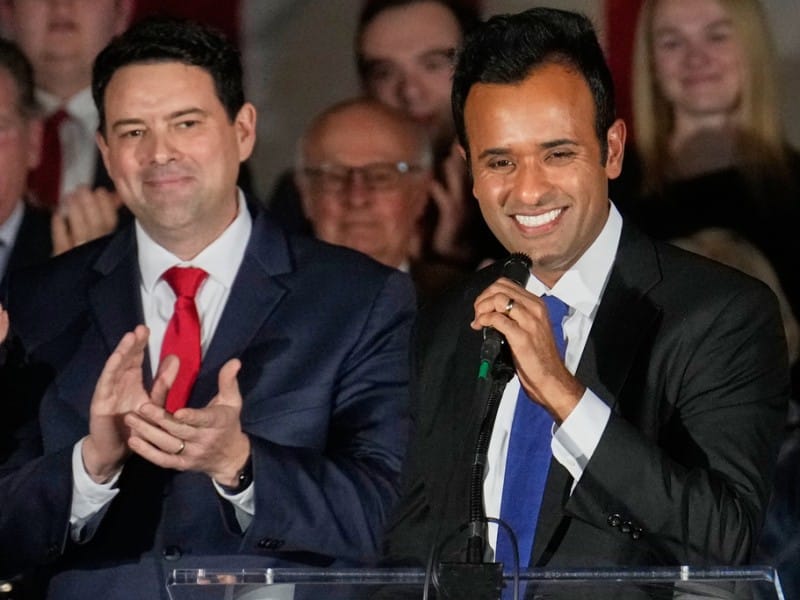
Ohio’s Ramaswamy and McColley have long backed near-total abortion bans
Even after Ohio voters overwhelmingly passed a 2023 constitutional amendment protecting abortion rights, GOP gubernatorial nominee Vivek Ramaswamy and state Senate President Rob McColley remain committed anti-abortion advocates. Audio from a recent rally shows McColley framing the constitutional defeat not as a setback, but as a shift in strategy.
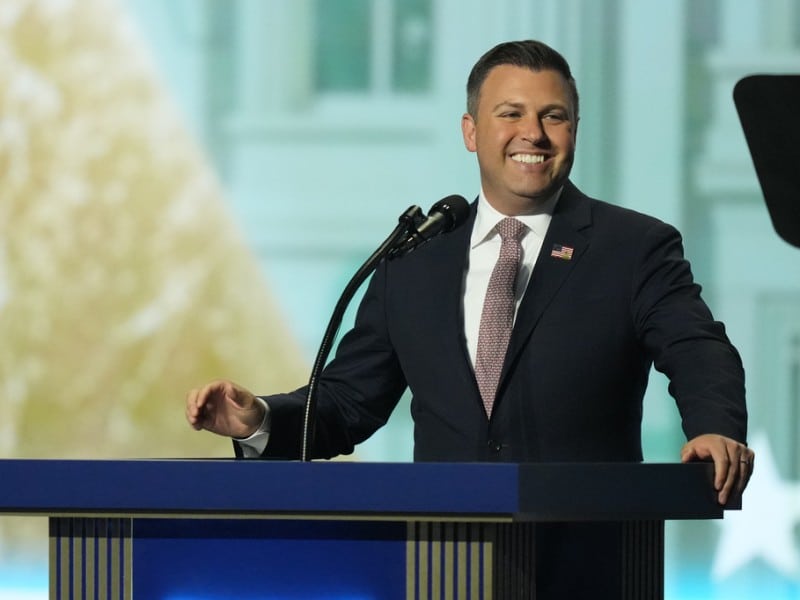
Ryan Mackenzie’s stance on data centers collides with his policy record
Rep. Ryan Mackenzie says data centers should pay their fair share. His record includes a 2021 tax exemption vote and support for limits on local oversight.