
New Pennsylvania labor report reveals slower economy for workers
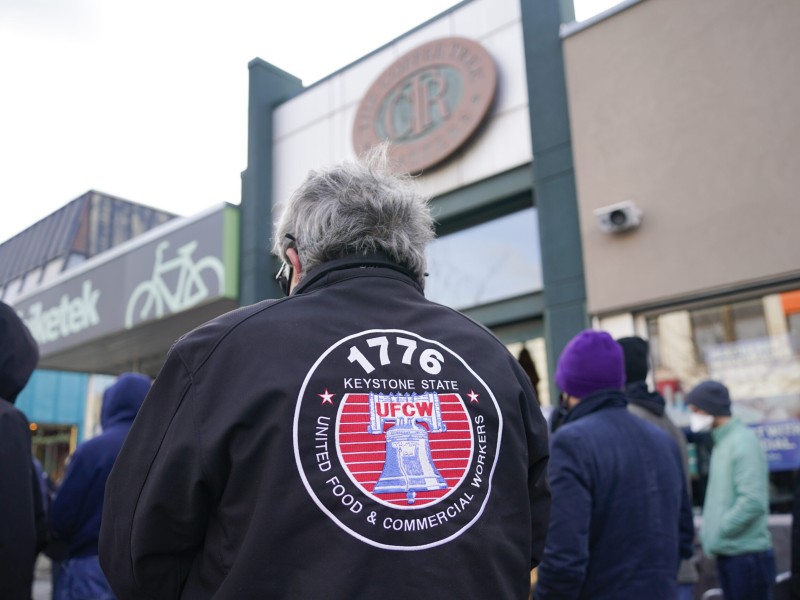
“In July, it was up to 4%,” said Kovach. “It’s still a pretty low unemployment rate. But we also see that Pennsylvania’s hiring and quit rates are lower than they were last year. So, these figures together indicate there’s more slack in the labor market, and ultimately fewer people are switching jobs – and that’s often because outside opportunities aren’t as plentiful as they were before.”
The report recommends increasing Pennsylvania’s minimum wage to $15 an hour. Last year alone, low-wage workers earned $2,300 a year less than people in Delaware, Maryland, New Jersey or New York, where the wage floor is already at least $15 an hour.
Kovach said nearly a million Pennsylvanians are affected by the state’s lower minimum wage.
Another policy recommendation in the report is that Congress extend the deadlines for ending clean energy and manufacturing tax credits back to the original dates in the Inflation Reduction Act.
Kovach said this includes districts with Republican representatives, which otherwise stand to lose billions in investment and thousands of jobs.
“In the report,” said Kovach, “we document how infrastructure, climate and innovation policies under the Biden administration contributed to a tripling of private construction spending in manufacturing, but that spending has started to dip back down.”
She noted that the uncertainty from a combination of tariffs, federal worker layoffs, increased deportations and canceled research grants and tax credits, is just starting to hit the economy.
The report says Pennsylvania has already seen a sharper uptick in unemployment, especially among workers of color.
Heartland Signal encourages news organizations and content creators to use our content. You're welcome to republish this article for free as long as you follow our republishing guidelines.
Related Articles
Missouri education board declines to seek $300 million increase in school aid
After a stalemate, the board voted to keep its foundation formula request flat despite rising costs under state law.
December trial date set for South Dakota lawmaker facing election-related felony charges
A judge in Minnehaha County set a December trial date on Tuesday for a South Dakota state senator facing election-related felony charges.

Jackson County GOP names 9/11 golf sponsorships after attack sites
Sponsorship tiers named for the Twin Towers, the Pentagon and Flight 93 are on sale for a “Tee Off in Remembrance” event on the attacks’ 25th anniversary.