
Courts
Coalition warns Michigan budget cuts could undermine public safety
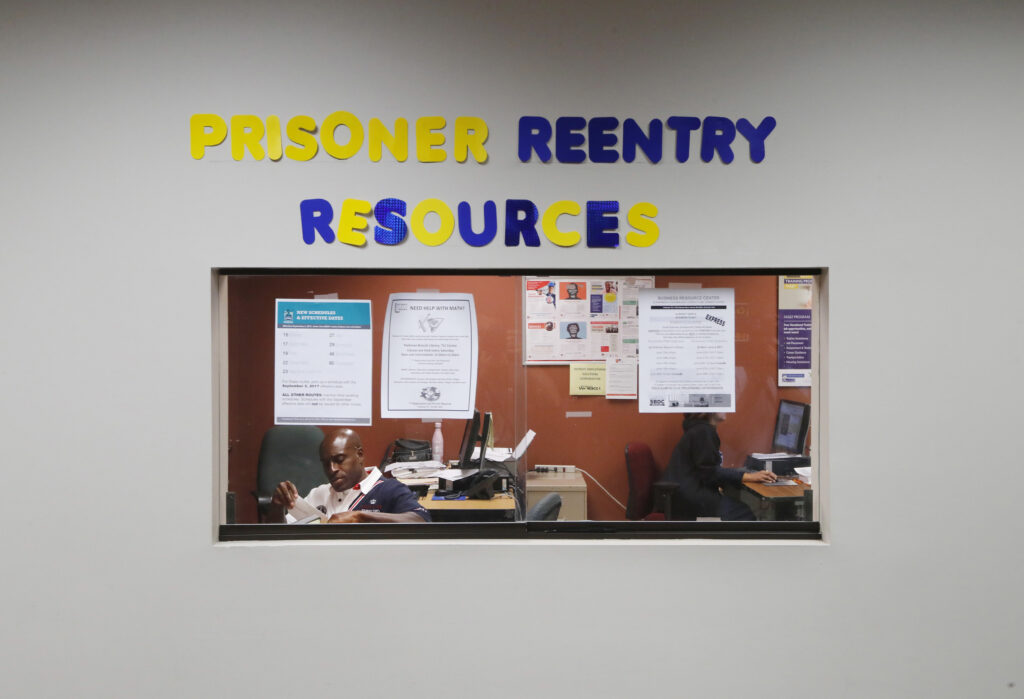
A coalition of justice advocates, which includes formerly incarcerated leaders, said Michigan’s House budget could jeopardize public safety by slashing proven programs.
At a recent news conference hosted by the Michigan Collaborative to End Mass Incarceration, speakers warned $3 million in food cuts and $13 million in health care cuts to the Department of Corrections could worsen prison understaffing, threaten rehabilitation and cost taxpayers more in the long run.
Hakeem Crampton, government relations liaison for the group Citizens for Prison Reform, pointed out rehabilitation is the ultimate goal of incarceration, which leads to better public safety.
“We at Citizens for Prison Reform, we support continued funding and increases to funding for expanding health care and quality food access to persons that are incarcerated,” Crampton stated. “We believe that access to quality food and health care are important to rehabilitation.”
The House plan calls for boosting road funding by billions of dollars. Supporters said trimming certain state programs frees up resources for infrastructure, which they argued is just as important to public safety and the state’s economy.
The coalition is also urging lawmakers to strengthen reentry and violence prevention programs, calling them cost-effective and key to reducing recidivism and improving safety.
Jonathan Garcia, director of policy and research for Nation Outside, a peer-led group of formerly incarcerated people who help others successfully return to their communities, said their work is effective.
“Over the past 15 months, we’ve served more than 2,200 returning citizens across the state of Michigan, delivering over 18,000 hours of billable services,” Garcia outlined. “Ninety-seven percent of persistent participants have avoided reincarceration, and that’s just not a statistic.”
Michigan’s current recidivism rate is just over 20%, measured three years from parole, which means almost 80% of people paroled do not return to prison in that time.