
Millions across the Heartland at risk of losing SNAP benefits from government shutdown
Several states — including Pennsylvania, Ohio, Minnesota, Kansas and Wisconsin — issued warnings for food insecure citizens this week, as the government shutdown threatens payments for food assistance programs.
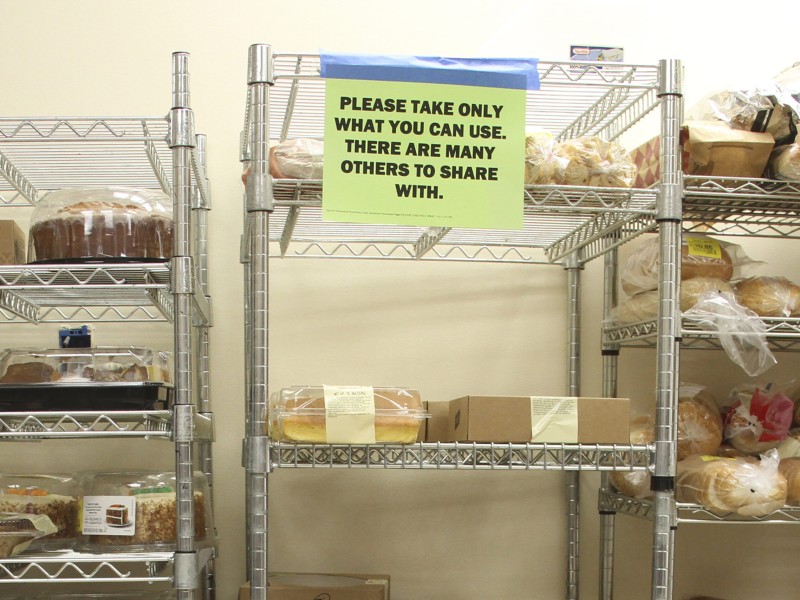
Pennsylvania
According to Pennsylvania’s government website, SNAP payments ceased after October 16 and will not resume until after the shutdown. In a memo on the state’s website, the program urged patience as the shutdown drags on.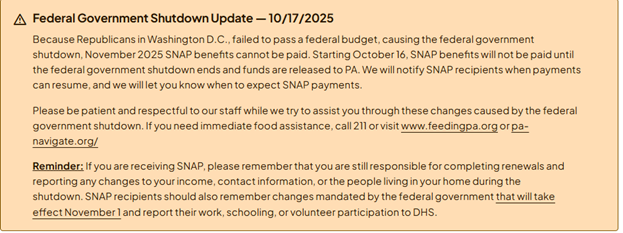 According to data from the Center on Budget and Policy Priorities, SNAP helped more than 2 million Pennsylvanians — or 15% of the state’s population — in fiscal year 2024.
Ohio
On Thursday, Ohio state Rep. Latyna Humphrey (D-Columbus) formally introduced House Bill 502, a bill that would allow the state to tap into the state’s “rainy day fund” to temporarily fund SNAP and other food assistance programs if the government shutdown continues.The bill has been referred to the House Agriculture Committee. Rep. Roy Klopfenstein (R-Haviland), who chairs the Agriculture Committee, did not respond to an email request to comment on the status of the bill. Humphrey argued that her bill could be fast-tracked through the Ohio Legislature before the Nov. 1 deadline, when benefits will not be guaranteed due to the shutdown. This would require Republican support for the bill, and Humphrey said she is willing to work across the aisle on an alternate version if necessary. Ohio has over 1.5 million SNAP beneficiaries.Ohio State Rep. Latyna Humphrey (D-Columbus) introduces legislation to use state dollars for food assistance programs that are being threatened by the federal government shutdown.
“Grocery stores won’t stop operating, the bills won’t stop coming, the babies won’t stop needing… pic.twitter.com/TzzverysIG — Heartland Signal (@HeartlandSignal) October 23, 2025
Minnesota
Last week, Minnesota stopped enrolling new SNAP beneficiaries due to the shutdown, which is already straining food banks in the state. As many as 453,000 Minnesotans could be at risk of not receiving SNAP payments in November. Minnesota’s Department of Children, Youth and Families informed county leaders that the state does not have the money to continue paying for food assistance benefits if the federal shutdown continues. House DFL Leader Zach Stephenson told Heartland Signal since the state Legislature is out of session and options at the state level are “extremely limited,” it is up to congressional Republicans and President Donald Trump to avoid a crisis by ending the shutdown. “Thanks to Republican policies, families are facing an affordability crisis, and food shelves are already struggling to meet the demand,” Stephenson said. “It’s unconscionable that Republicans refuse to end this shutdown and are denying families the help they need.”Kansas
In a press release, the Kansas Department for Children and Families (DCF) said that SNAP benefits for nearly 188,000 Kansans are at risk for November if Congress doesn’t reopen the government or supply additional funding. “As soon as an agreement is reached or the federal government finds an alternative funding source, and DCF receives approval from FNS, we are prepared to act quickly with contracting partners to get benefits out to Kansans,” said DCF Secretary Laura Howard. “Depending on the timing of the approval, DCF and its partners could have benefits available on cards within 72 hours.”Wisconsin
In a press release from Wednesday, Gov. Tony Evers (D) warned of nearly 700,000 Wisconsinites losing access to food assistance programs by Nov. 1 is the shutdown continues. In a letter to the Trump administration’s U.S. Department of Agriculture, Evers urged the administration to take immediate action. “The Trump Administration must immediately use every legal administrative option available to it to maintain food security and continuity in Wisconsin and to develop immediate solutions to mitigate any preventable lapse in providing basic necessities like food and groceries to kids, families, veterans, and seniors across our state.”Wisconsin’s FoodShare program is fully funded by the federal government.WI Gov. Tony Evers writes USDA about SNAP amid shutdown: “Wisconsin’s FoodShare program will run out of federal funding in a matter of days…Please take swift and decisive action to extend SNAP benefits as long as eligible and readily available federal funding allows.” pic.twitter.com/yKsxVMKyZA
— Jason Calvi (@JasonCalvi) October 22, 2025
Heartland Signal encourages news organizations and content creators to use our content. You're welcome to republish this article for free as long as you follow our republishing guidelines.
Related Articles
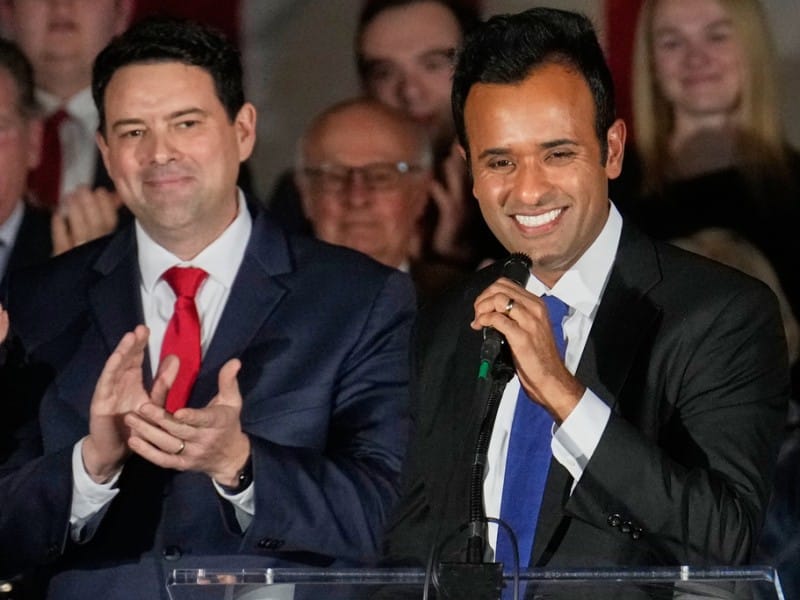
Ohio’s Ramaswamy and McColley have long backed near-total abortion bans
Even after Ohio voters overwhelmingly passed a 2023 constitutional amendment protecting abortion rights, GOP gubernatorial nominee Vivek Ramaswamy and state Senate President Rob McColley remain committed anti-abortion advocates. Audio from a recent rally shows McColley framing the constitutional defeat not as a setback, but as a shift in strategy.
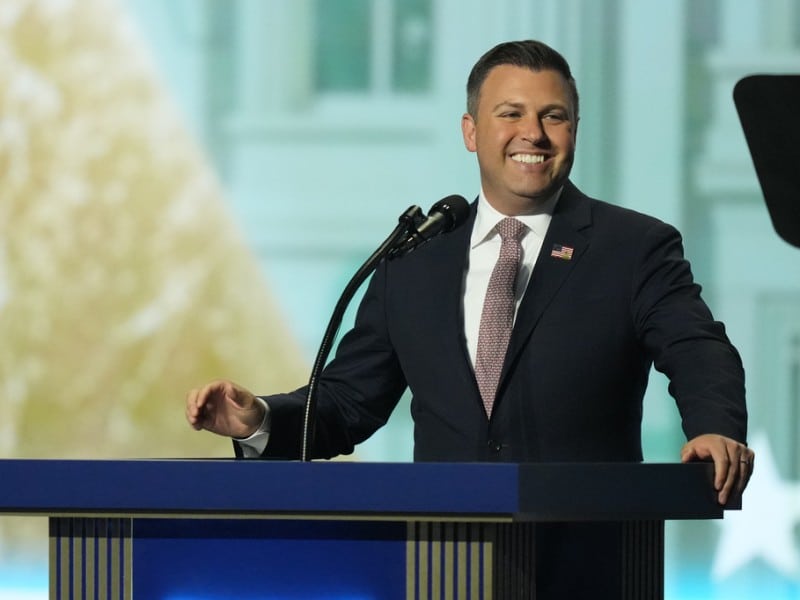
Ryan Mackenzie’s stance on data centers collides with his policy record
Rep. Ryan Mackenzie says data centers should pay their fair share. His record includes a 2021 tax exemption vote and support for limits on local oversight.
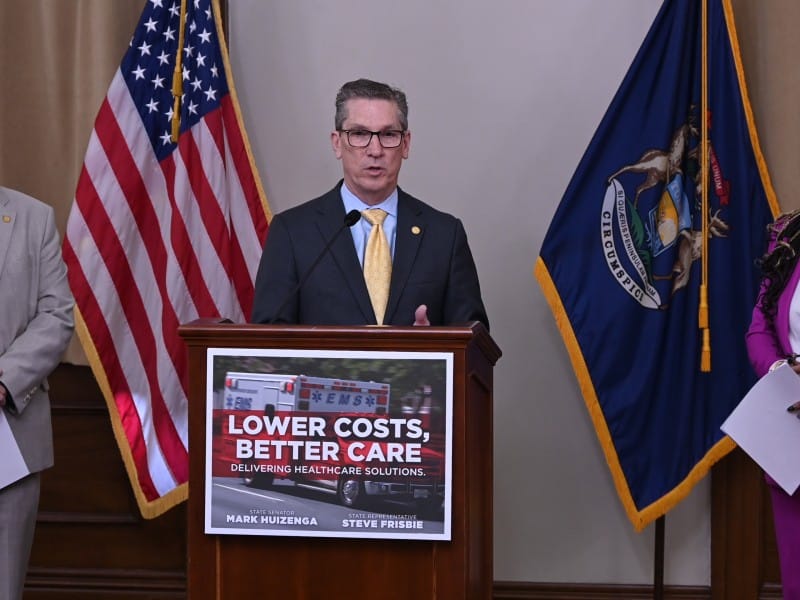
Michigan state Sen. Mark Huizenga holds stocks in the same companies he regulates
A review of state Sen. Huizenga’s personal financial disclosures and campaign finance reports shows that he owns stock and accepts contributions from pharmaceutical companies while serving on the Senate Health Policy and Human Services Committee.