
Caps on nursing education funding threaten Tennessee health care workforce
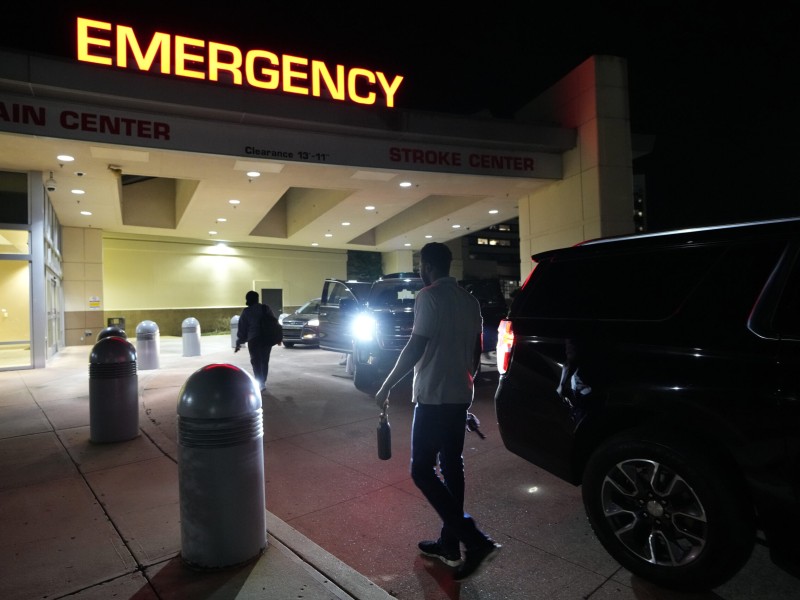
Nursing would no longer be classified as a “professional degree,” which would limit federal student loans to $100,000 dollars for graduate programs and $200,000 for professional degrees.
Jennifer McGuire Hitt, president of the Tennessee Nurses Association, said the move risks undoing years of work to rebuild the profession’s image after COVID discouraged applicants. Tennessee is already short about 15,000 nurses, and she warned the change could deepen the health crisis and leave patients waiting longer for care.
“About 20% of nurses that are currently at the bedside have reported that they are going to leave the bedside within the next two years, so we’re going to lose one in five nurses,” Hitt reported. “We really cannot afford to lose more. We cannot really afford to have a dip in enrollment.”
Educational levels in the profession continue to rise, with more than 73% of registered nurses holding at least a bachelor’s degree. The U.S. Department of Education defines “professional” degrees as fields like medicine, law and dentistry. The Trump administration said claims nursing is being excluded from grad student loans are misleading, noting the label is only an internal designation used in setting loan limits.
Federal officials said the caps are intended to curb graduate school costs and reduce student debt. Hitt pointed out the effects would be felt most sharply by nursing students, especially those training to become Certified Registered Nurse Anesthetists.
“I think a lot of people that need additional financial aid, or graduate nursing students that need additional financial aid, are going to be your CRNA students,” Hitt observed. “Because that money is for people that really can’t work while they’re in school at the same time.”
Bipartisan lawmakers have sent a letter to the U.S. Department of Education urging nursing be classified as a professional degree, which would expand federal loan access. The American Association of Nurse Anesthesiology has also raised concerns with the Trump proposal.
Heartland Signal encourages news organizations and content creators to use our content. You're welcome to republish this article for free as long as you follow our republishing guidelines.
Related Articles
Missouri education board declines to seek $300 million increase in school aid
After a stalemate, the board voted to keep its foundation formula request flat despite rising costs under state law.
December trial date set for South Dakota lawmaker facing election-related felony charges
A judge in Minnehaha County set a December trial date on Tuesday for a South Dakota state senator facing election-related felony charges.

Jackson County GOP names 9/11 golf sponsorships after attack sites
Sponsorship tiers named for the Twin Towers, the Pentagon and Flight 93 are on sale for a “Tee Off in Remembrance” event on the attacks’ 25th anniversary.