
Report: Number of incarcerated women on the rise in Tennessee
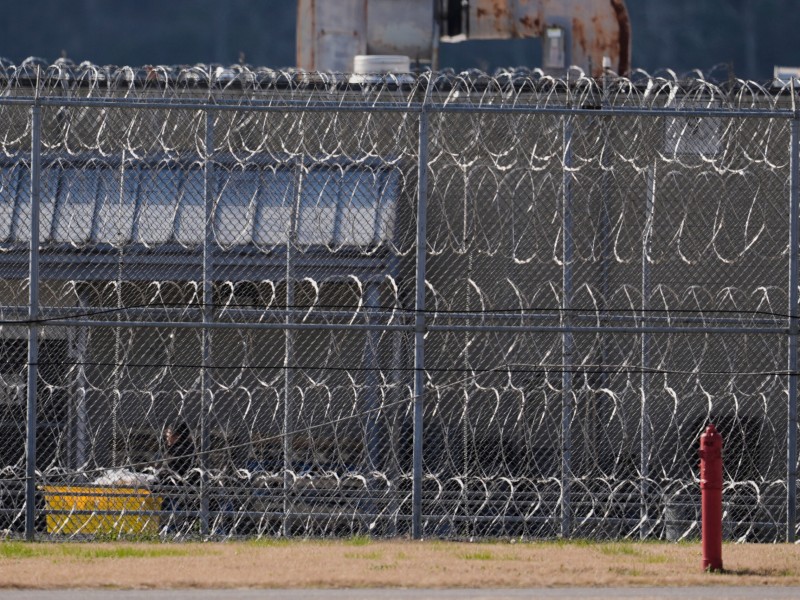
Four decades ago, about 26,000 women were held in jails or prisons. By 2023, that number had climbed to about 186,000.
Nazgol Ghandnoosh, research director for The Sentencing Project, said most women in prison are there for nonviolent offenses – like property or drug crimes, or even carrying a weapon. She added that one in 11 women nationwide is serving a life sentence.
“In Tennessee, the prison population is about 2,300 people – and of those, 270 of those women are serving a life sentence,” said Ghandnoosh. “So, that means 11% of Tennessee’s prison population of women are serving a life sentence.”
She pointed out in 2020, during the COVID-19, pandemic incarceration levels dropped sharply as fewer people were sentenced because of public health risks in crowded jails and prisons. That year, the number of incarcerated women fell to about 153,000.
But Ghandnoosh said those numbers have crept back up since then.
Ghandnoosh noted that nationwide, there is some good news about racial disparities in the prison system. When data for women are broken down by race and ethnicity, they show a significant decline in incarceration rates overall – and a dramatic decline among Black women.
“So, there’s been a 67% decline in the imprisonment levels of Black women between the year 2020 and 2023,” said Ghanoosh. “When we look at Latina women during that period, there’s been a 15% decline. And unfortunately, during that period, there’s been an increase in imprisonment levels for white women.”
She said Tennessee is reopening prisons and considering a huge new jail in Memphis, but overcrowding isn’t about space – it has more to do with the state’s sentencing laws.
Under the new truth-in-sentencing policy, many must serve 85% to 100% of their sentence, which keeps people behind bars longer.
Ghandnoosh said reforms – like second-look sentencing and the Domestic Violence Survivors Justice Act – give courts a chance to review old cases, consider trauma or abuse that may have influenced crimes, and sometimes reduce a person’s sentence.
Heartland Signal encourages news organizations and content creators to use our content. You're welcome to republish this article for free as long as you follow our republishing guidelines.
Related Articles

GOP Wisconsin legislator Zimmerman missed 225 votes last session, some to attend AI summit
Reps. Tip McGuire and Shannon Zimmerman were both booked on the same Milwaukee AI panel on June 24, 2025. McGuire withdrew so he could finish voting on the Assembly floor. Zimmerman made the panel, and votes kept being recorded in his name after he left his seat.
Ohio’s Ramaswamy and McColley have long backed near-total abortion bans
Even after Ohio voters overwhelmingly passed a 2023 constitutional amendment protecting abortion rights, GOP gubernatorial nominee Vivek Ramaswamy and state Senate President Rob McColley remain committed anti-abortion advocates. Audio from a recent rally shows McColley framing the constitutional defeat not as a setback, but as a shift in strategy.

Ryan Mackenzie’s stance on data centers collides with his policy record
Rep. Ryan Mackenzie says data centers should pay their fair share. His record includes a 2021 tax exemption vote and support for limits on local oversight.