
Economy
SNAP benefit cuts could force Michigan families to choose low-quality food
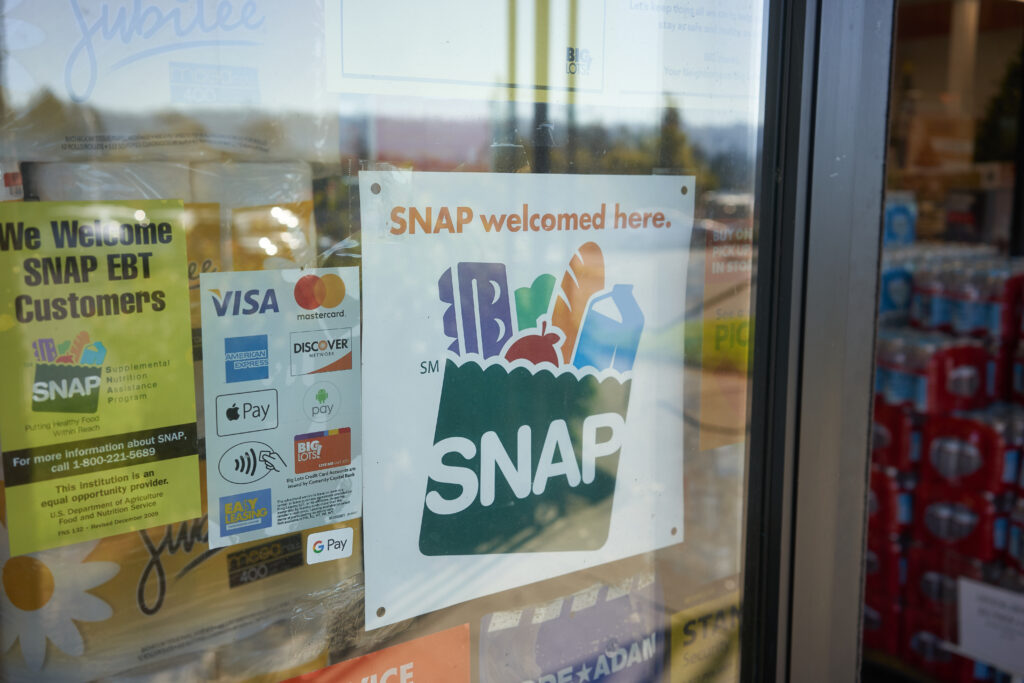
Changes planned to the Supplemental Nutrition Assistance Program could begin affecting beneficiaries in Michigan and across the country as early as Nov. 1.
The new federal budget is expanding SNAP work rules and reducing benefits. Public health officials say the cuts could force low-income Michigan families to choose lower-quality groceries due to the cost of healthy food.
Kate Bauer, associate professor of nutritional sciences at the University of Michigan School of Public Health, said it is one more economic hit on already stressed families.
“It’s critical resources,” Bauer explained. “Especially during times like these, where food prices are incredibly high, housing prices are high, families’ budgets are being stretched in ways they never have before.”
More than 1.4 million Michiganders received SNAP benefits in 2024 but economists said under the new rules, between 200,000 and 300,000 Michigan households could see significant reductions in benefits. The cuts were part of the GOP-backed budget reconciliation bill to make the 2017 tax cut program permanent.
Bauer is concerned about the long-term effects the cuts will have on families with children. She noted part of changes to the federal program include shifting some of the costs to the states but it is unclear whether Michigan will have the money in its budget to participate when required to in 2028.
“We know that states are being asked to shoulder a lot more of the SNAP benefits and states don’t have those resources,” Bauer observed. “There is no doubt that fewer families are going to be able to get food assistance.”
Bauer pointed out a temporary increase in SNAP benefits during the pandemic allowed families to make better food choices but added the coming changes could send help for low-income families back to pre-COVID levels.
“Not only were fewer families experiencing food insecurity but families were using those benefits to buy more fruits and vegetables, more healthy, whole-grain foods, more lean proteins,” Bauer recounted. “When we give families more benefits, they make healthier options.”