
Facing opposition, Missouri GOP rallies to save their gerrymandered maps
Missouri’s new congressional map is likely going to require approval from voters next year before being implemented, and Republicans in the state are gearing up to defend them.
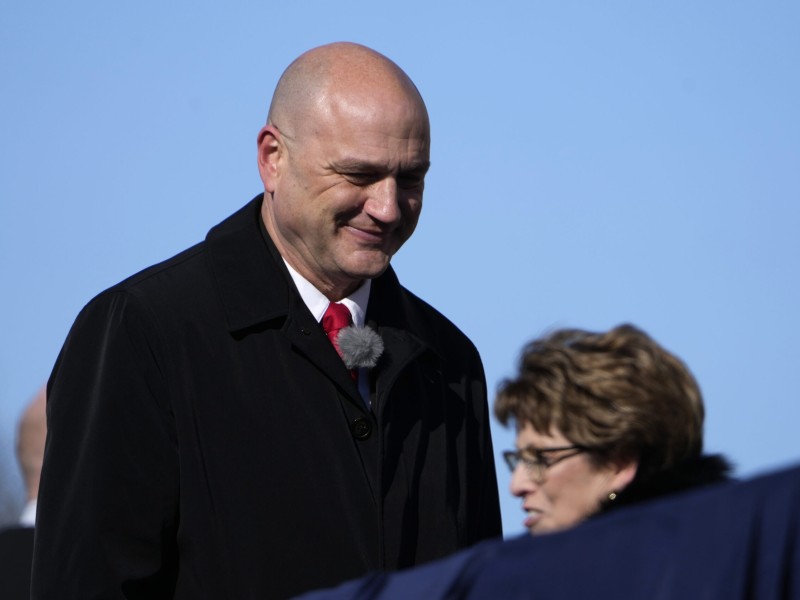
Missouri’s new congressional map is likely going to require approval from voters next year before being implemented, and Republicans in the state are gearing up to defend them.
The new map was drawn and passed by the Republican-dominated state legislature during a special session in September, after the Trump administration pressured the state to further gerrymander itself in favor of the GOP.
The new map would increase the chances of Republicans winning all of Missouri’s 10 congressional seats, and it put Reps. Wesley Bell (D) and Emanuel Cleaver (D) in more competitive districts. Gov. Mike Kehoe (R) signed the map into law on Sept. 28.
Republicans have formed Put Missouri First, a political action committee (PAC) to defend the new gerrymandered map. Put Missouri First has already received $50,000 from the National Republican Congressional Committee and $50,000 from the Republican National Committee.
Petition process gaining traction
The maps are opposed by the organization People NOT Politicians, which immediately began collecting signatures to put the map on the 2026 ballot for voter approval. The group needs to turn in 107,000 signatures by Dec. 11. As of last Friday, it had collected over 200,000 signatures.
In a press release, executive director of People Not Politicians Missouri Richard von Glahn reiterated that the people of Missouri should decide the future of representation in the state.
“Every attack from politicians trying to silence us brings us more volunteers and more support,” von Glahn said. “This referendum will qualify, and Missourians — not politicians — will decide the future of fair representation in our state.”
A successful petition process means the new map will not be implemented during the 2026 midterm elections, and voters would instead decide whether to approve the map via a ballot initiative.
Republicans propose confusing ballot language
The language of this ballot initiative will be written by Secretary of State Denny Hoskins (R), who has already submitted a controversial draft. The language implies that the new map would replace “Missouri’s existing gerrymandered” map and reflect voting patterns.
“Do the people of the state of Missouri approve the act of the General Assembly entitled ‘House Bill No. 1 (2025 Second Extraordinary Session),’ which repeals Missouri’s existing gerrymandered congressional plan that protects incumbent politicians, and replaces it with new congressional boundaries that keep more cities and counties intact, are more compact, and better reflects statewide voting patterns?”
The same Republican majority in the legislature passed the current map in 2022, with then-Gov. Mike Parson (R) signing it into law. During the 2024 presidential election, Democratic candidate Kamala Harris garnered 40.1% (1,200,599 votes) of the state’s vote.
In a statement to the Missouri Independent, von Glahn criticized Hoskins’ ballot language.
“Maybe the secretary of state doesn’t understand the definition of the term gerrymandered,” he said.
Confusing ballot language is a tactic used by Republicans in several states to subdue direct democracy efforts. Last year, Ohio Secretary of State Frank LaRose (R) used the tactic to convince voters they were ending gerrymandering in the state, which was later commended by the Chair of the Ohio Republican Party.
Heartland Signal encourages news organizations and content creators to use our content. You're welcome to republish this article for free as long as you follow our republishing guidelines.
Related Articles
Mackenzie aide was in 2018 chat that shared racist, antisemitic memes
Pennsylvania Rep. Ryan Mackenzie voted for House resolutions condemning antisemitism, but his communications director, Arnaud Armstrong, was part of a college group chat that shared racist and antisemitic memes, including fabricated quotes from Adolf Hitler.
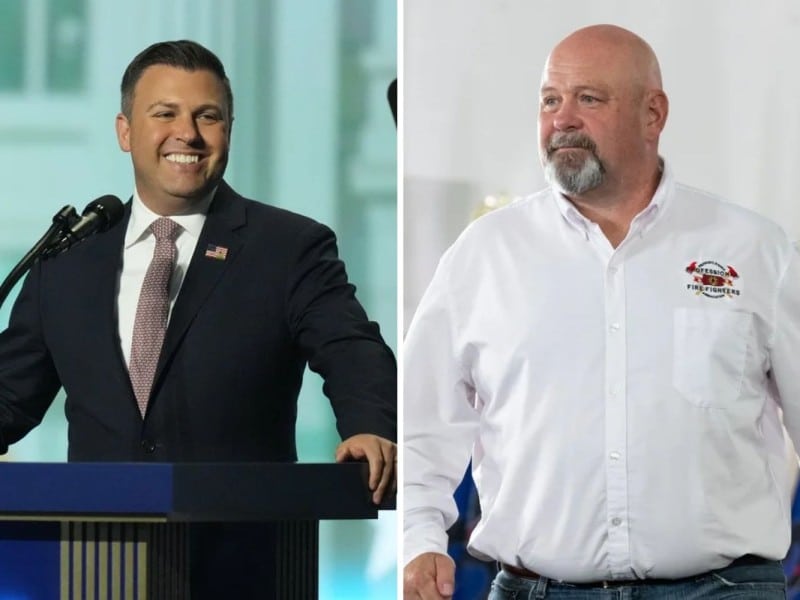
Mackenzie vs. Brooks: What’s at stake in Pennsylvania’s 7th Congressional District
Voters in Pennsylvania’s 7th Congressional District are weighing two vastly different visions on healthcare and rising costs. Republican Rep. Ryan Mackenzie backed federal Medicaid cuts, while Democratic challenger Bob Brooks, a local firefighter, is centering his campaign on expanded coverage and corporate accountability.
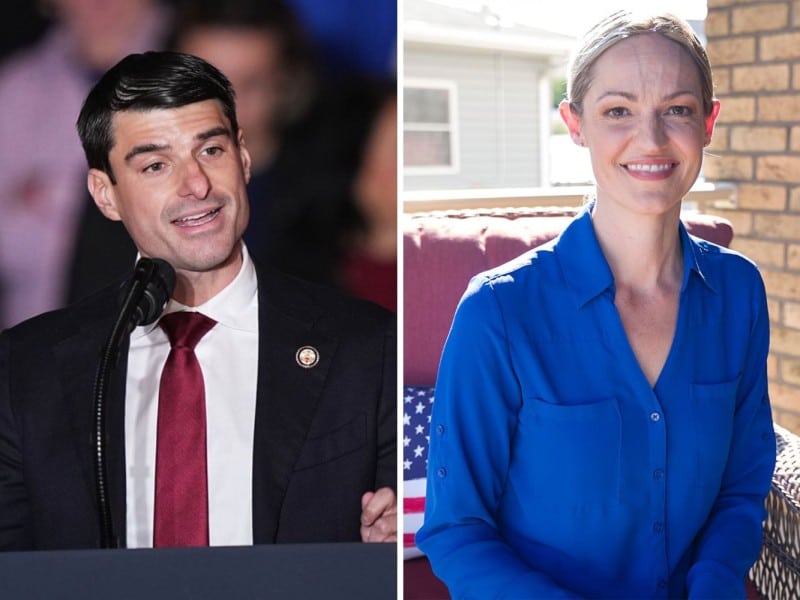
Bresnahan vs. Cognetti: What’s at stake in Pennsylvania’s 8th Congressional District
Voters in Pennsylvania’s 8th Congressional District are facing higher health care and living costs. Rep. Rob Bresnahan voted for legislation that slashed Medicaid and supported tariffs that raised prices on everyday goods. Scranton Mayor Paige Cognetti says it’s time to stop politicians from enriching themselves at the public’s expense.