
Missouri Gov. Kehoe signs gerrymandered map, but petition process begins to reverse the move
Last Sunday, Missouri Gov. Mike Kehoe (R) signed the state’s new Republican-favored congressional Map into law, while a petition process to combat the gerrymandering kicks off.
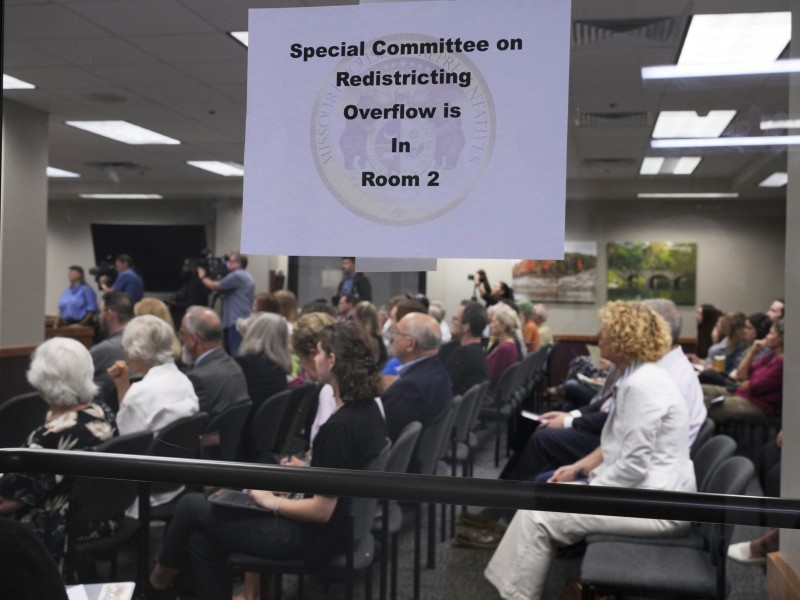
Last Sunday, Missouri Gov. Mike Kehoe (R) signed the state’s new Republican-favored congressional Map into law, while a petition process to combat the gerrymandering kicks off.
After facing pressure from the Trump administration to help give the Republican Party more seats in Congress, Kehoe called a special session of the Missouri Legislature last month. The new map, which was drawn by Republicans, will likely flip the seat currently held by U.S. Rep. Emmanuel Cleaver (D-MO).
“I was proud to officially sign the Missouri First Map into law today ahead of the 2026 midterm election,” Kehoe said in a statement. “Missourians are more alike than we are different, and our values, across both sides of the aisle, are closer to each other than those of the congressional representation of states like New York, California and Illinois. We believe this map best represents Missourians, and I appreciate the support and efforts of state legislators, our congressional delegation and President Trump in getting this map to my desk.”
Several lawsuits challenging the new map have been filed by groups like the American Civil Liberties Union (ACLU) and the National Association for the Advancement of Colored People (NAACP). The NAACP’s suit argues that Kehoe’s actions are a “blatant effort to silence Black voters and strip them of their fundamental rights,” since the gerrymandering process carved Cleaver’s district and will likely see him lose his seat in Congress.
Now that Kehoe has signed the map into law, a petition process has begun to gather 107,000 signatures across the state. The effort is being led by the organization People NOT Politicians, which advocates for fair maps and the end of gerrymandering. If enough signatures are gathered by Dec. 11, the new map will not be used for the 2026 midterms and will instead be placed on the 2026 ballot for voters to choose whether to implement it or not.
Heartland Signal encourages news organizations and content creators to use our content. You're welcome to republish this article for free as long as you follow our republishing guidelines.
Related Articles
Tiffany campaign blocks Milwaukee Journal-Sentinel reporter from event
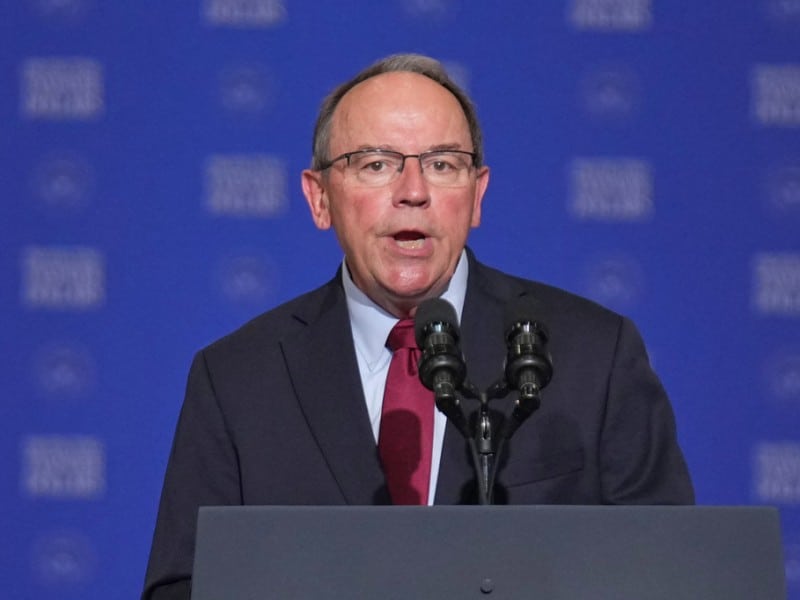
The gubernatorial campaign of Republican Tom Tiffany blocked a reporter for the Milwaukee Journal-Sentinel from entering an event in Milwaukee Thursday, preventing the state’s largest newspaper from covering the campaign.
Ohio GOP lawmakers tee up votes for gas tax holiday after Acton, then Ramaswamy, back idea
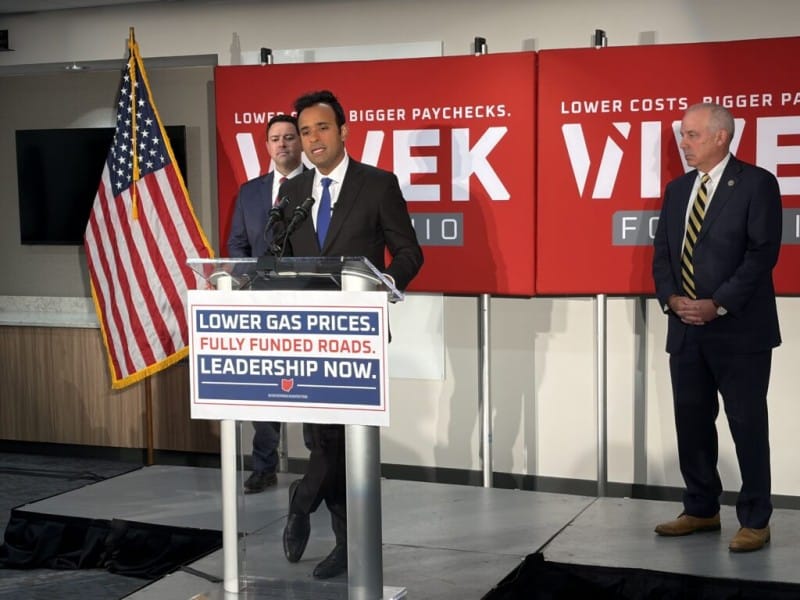
Ohio Republican candidate for governor Vivek Ramaswamy introduced his plan Wednesday for a 90-day gas tax holiday. It comes on the heels of Democratic candidate Amy Acton calling for a similar halt to the tax.
Amendment 6 could make another Missouri congressional gerrymander much harder
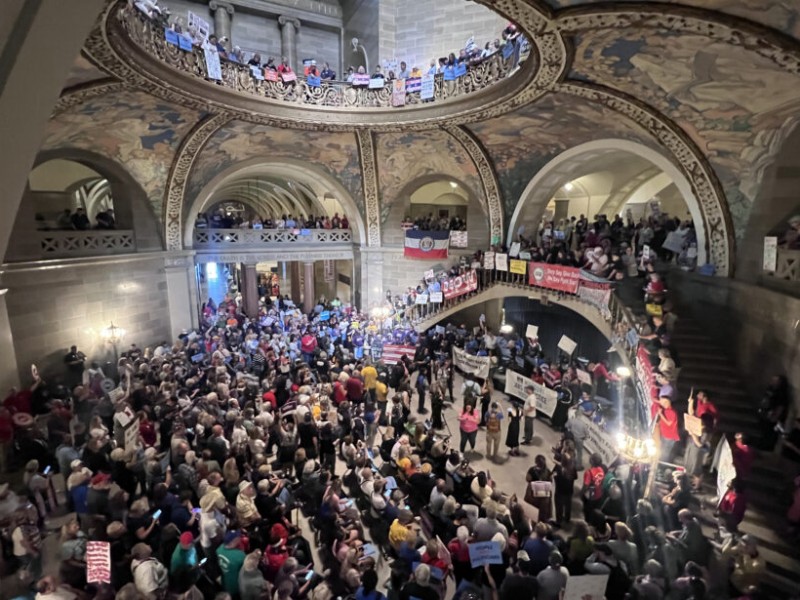
If voters reject the gerrymandered map in November, a second ballot measure could require 80% legislative support and another statewide vote for lawmakers to pass another map prior to the next census.