
Tennessee legislature passes Charlie Kirk Act, which could force colleges to punish students for protests
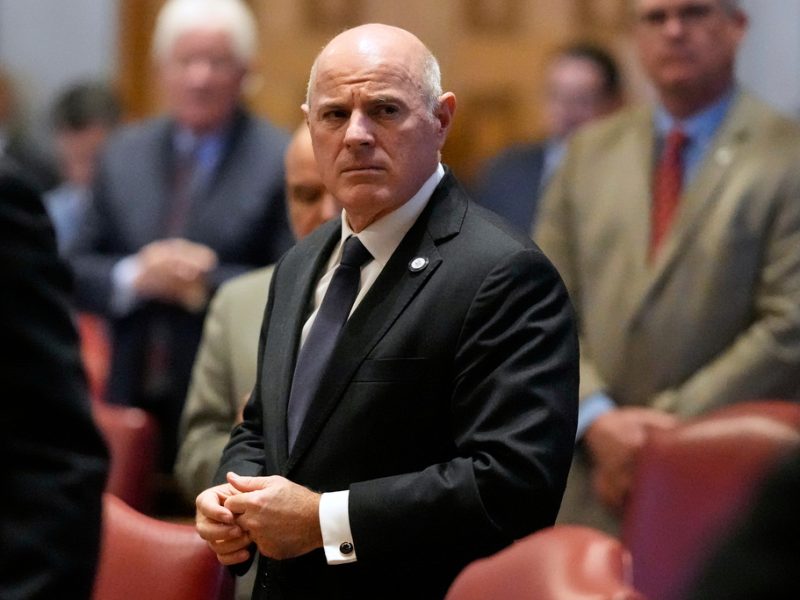
Last week, the Tennessee General Assembly sent Senate Bill 1741 to Gov. Bill Lee’s (R) desk, legislation that would limit college students and faculty from on-campus protesting and their First Amendment rights.
Last week, the Tennessee General Assembly sent Senate Bill 1741 to Gov. Bill Lee’s (R) desk, legislation that would limit college students and faculty from on-campus protesting and their First Amendment rights.
SB 1741, also known as the “Charlie Kirk Act,” requires public universities to adopt the University of Chicago’s free speech policy. The bill would prohibit colleges from uninviting a guest speaker because of protests or public opposition to the speaker’s views.
But beyond that, SB 1741 would also force colleges to punish students and faculty members who protest, disrupt, physically obstruct or even stage walkouts against an invited speaker. Students who violate the policy would be placed on probation for the remainder of their academic career at the institution. A second violation would result in suspension, and a third violation would lead to expulsion without a chance for re-enrollment.
“Charlie Kirk is someone who devoted his life to making sure that we can have civil, open, robust debate on colleges and public universities, and that’s why the bill is named after him,” said Rep. Gino Bulso (R-Brentwood), the bill’s sponsor. “Not for any specific statement that you might be able to quote, but he’s someone who gave his life for the essentials of the First Amendment that this bill is designed to protect.”
Kirk, a right-wing commentator who was killed while speaking at Utah Valley University last September, was known for controversial rhetoric against liberal views, including spreading disinformation and repeatedly using racist, misogynistic and homophobic language.
Democrats criticized the redundancy of the bill, as universities are already required to protect freedom of speech rights. Speaking against the bill, state Rep. Gloria Johnson (D-Knoxville) denounced the name of the bill and accused Republicans of being unnecessarily divisive.
Tennessee State Rep. @VoteGloriaJ (D-Knoxville) trashes the “Charlie Kirk Act,” which asks public universities to institute free speech policies they already have.
“Maybe it’s sort of appropriate that we call it Charlie Kirk, because it doesn’t do much.” pic.twitter.com/4XWfPSlxkb
— Heartland Signal (@HeartlandSignal) April 8, 2026
Heartland Signal encourages news organizations and content creators to use our content. You're welcome to republish this article for free as long as you follow our republishing guidelines.
Related Articles
Mackenzie aide was in 2018 chat that shared racist, antisemitic memes
Pennsylvania Rep. Ryan Mackenzie voted for House resolutions condemning antisemitism, but his communications director, Arnaud Armstrong, was part of a college group chat that shared racist and antisemitic memes, including fabricated quotes from Adolf Hitler.
Mackenzie vs. Brooks: What’s at stake in Pennsylvania’s 7th Congressional District
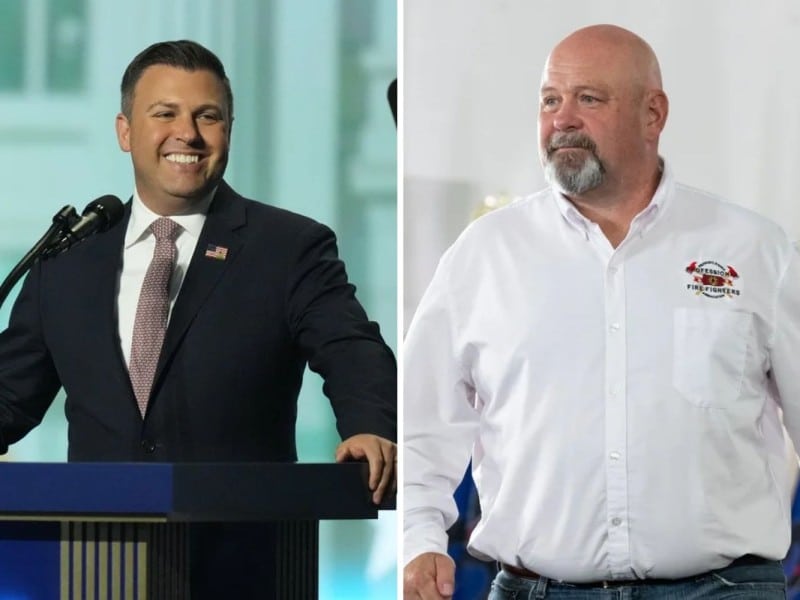
Voters in Pennsylvania’s 7th Congressional District are weighing two vastly different visions on healthcare and rising costs. Republican Rep. Ryan Mackenzie backed federal Medicaid cuts, while Democratic challenger Bob Brooks, a local firefighter, is centering his campaign on expanded coverage and corporate accountability.

Bresnahan vs. Cognetti: What’s at stake in Pennsylvania’s 8th Congressional District
Voters in Pennsylvania’s 8th Congressional District are facing higher health care and living costs. Rep. Rob Bresnahan voted for legislation that slashed Medicaid and supported tariffs that raised prices on everyday goods. Scranton Mayor Paige Cognetti says it’s time to stop politicians from enriching themselves at the public’s expense.