
Virginia voters approve redistricting measure, boosting Dems’ 2026 U.S. House prospects
Virginia voters approved a referendum Tuesday allowing lawmakers to redraw the state’s congressional district map, paving the way for Democrats to pick up as many as four additional House seats to offset Republican redistricting gains.
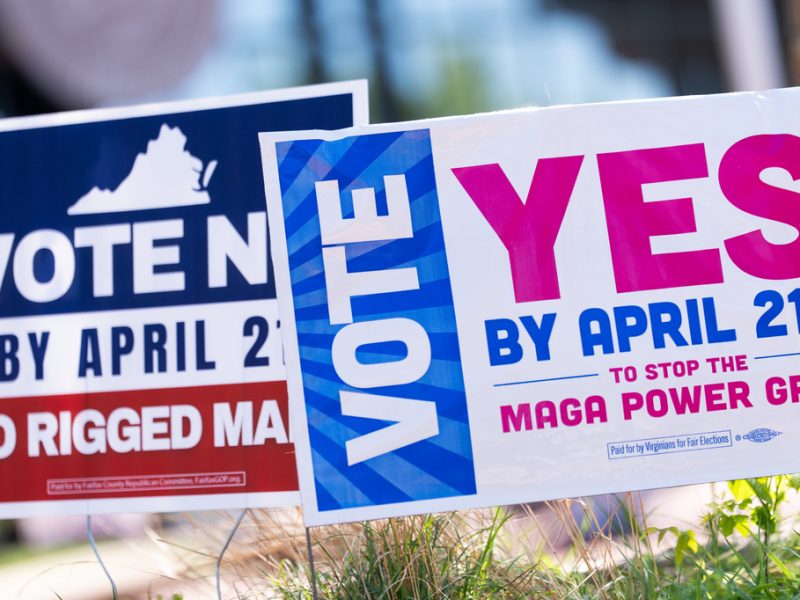
Virginia voters approved a referendum Tuesday allowing lawmakers to redraw the state’s congressional district map, paving the way for Democrats to pick up as many as four additional House seats to offset Republican redistricting gains.
The referendum proposed a constitutional amendment to implement a new map that will likely give Democrats nine of Virginia’s 10 Congressional seats. The referendum narrowly passed with 51.5% (1,574,525) voting “yes”, and 48.5% (1,485,670) casting “no” votes.
Virginia voters passed a constitutional amendment allowing Democrats to temporarily redraw the commonwealth’s congressional map. Below are our race ratings for the new map.
Read the full analysis from @ercovey: https://t.co/qE9Adv9gUQ pic.twitter.com/XBMNSb5n0q
— Cook Political Report (@CookPolitical) April 22, 2026
The redistricting push followed a Democratic sweep in the state last November. The party expanded its House of Delegates majority to 64-36 and retained the state Senate 21-19, with Gov. Abigail Spanberger (D) securing the Democratic trifecta in the gubernatorial race.
A constitutional amendment was necessary to implement the new map, which is usually only redrawn every ten years after each U.S. Census. Before the referendum could appear in front of voters, the both chambers of state legislature had to approve the amendment in two separate votes that took place last October and January.
Redistricting battle
Last year, President Donald Trump began publicly calling for Republican-controlled states to gerrymander their maps to give the GOP an advantage for retaining the House of Representatives in 2026.
Texas (+5 Republican seats), Missouri (+1 R) and North Carolina (+1 R) have already implemented new maps. Missouri Gov. Mike Kehoe (R) signed the state’s new map into law in September, but there is an ongoing campaign seeking to block the map unless voters approve it in a referendum this fall.
Republican efforts in Indiana and Kansas both failed to gain enough support because of Republican dissent and public disapproval, even though members of the Trump administration repeatedly pressured lawmakers to pass new maps. Trump also publicly bashed Republicans who refused to support mid-decade redistricting, leading to threats and swatting incidents for several state politicians.
The Ohio maps, which have been gerrymandered by the state GOP since 2011, were also updated. Trump’s pressure did not play a factor in Ohio since the state constitution required the legislature to redistrict last fall.
Florida’s state legislature is holding a special session on the redistricting issue, potentially giving the Republicans an additional 11 total new seats if Missouri’s map stays in place.
Democrats in California responded by redrawing their own maps for five additional blue seats, joining Virginia (+2-4 D) to mitigate the GOP’s efforts. Liberals also gained a seat in Utah after a judge tossed out a gerrymandered map skewed in favor of the GOP.
Heartland Signal encourages news organizations and content creators to use our content. You're welcome to republish this article for free as long as you follow our republishing guidelines.
Related Articles
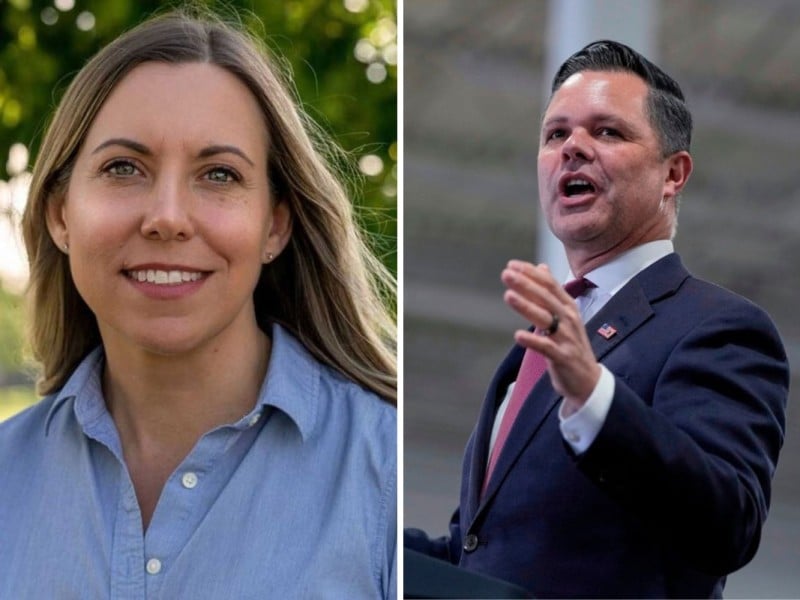
Nunn vs. Trone Garriott: Where Iowa’s 3rd District candidates stand
Rep. Zach Nunn voted for Medicaid cuts that shuttered health clinics and backed tariffs that raised costs for Iowans. State Sen. Sarah Trone Garriott is challenging the Iowa Republican, campaigning on lowering health care expenses and ending tariffs.
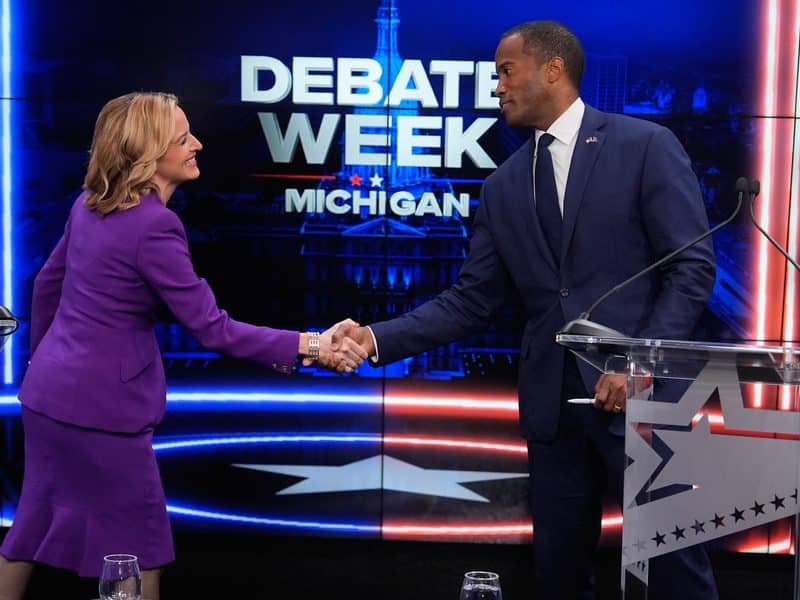
Data centers investments, personal finances take center stage at Michigan governor debate
Michigan gubernatorial candidates Jocelyn Benson and John James faced off over rising living costs, government reform and data center developments. While both candidates agreed on a couple issues, they clashed over transparency and who is best equipped to lead the state.
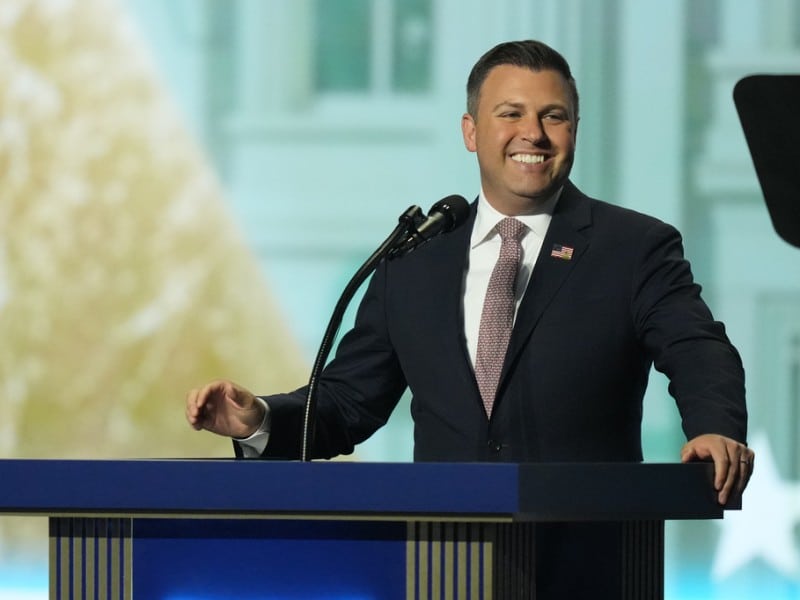
FACT CHECK: Ryan Mackenzie parrots misleading claim denying Iran War is spiking fuel prices
U.S. Rep. Ryan Mackenzie (R-PA) is repeating misleading claims that recent high fuel prices aren’t driven by the war with Iran. Experts say even with sea passages open, risk premiums and lost oil supply from ongoing Middle East conflict continue to keep prices inflated.