12 Midwest states will receive at least $90 billion from new infrastructure law
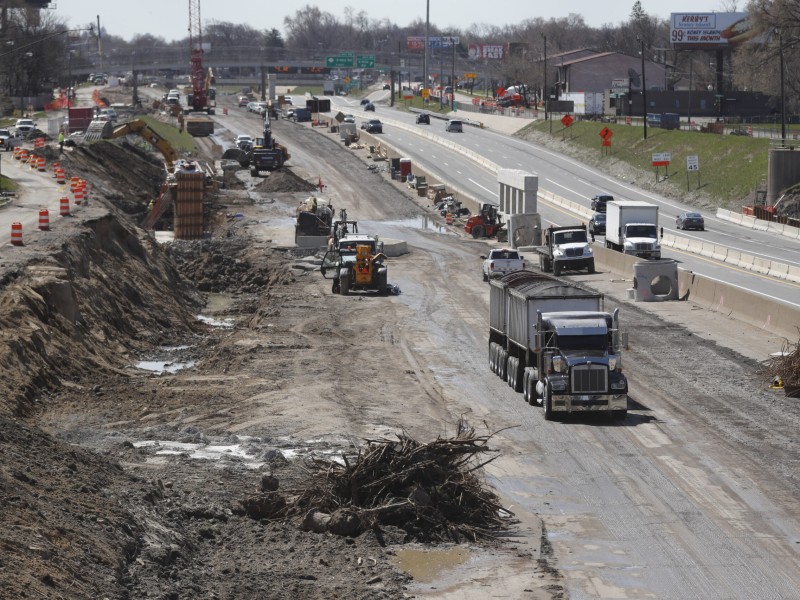
After months of negotiations, President Joe Biden signed the landmark, $1.2 trillion infrastructure bill last week. Over the next ten years, Midwest states will directly get a combined total of at least $90.8 billion directed at improving failing infrastructure and creating new transportation options. The number does not include funds for national programs (e.g. $3.5 billion in a national energy efficiency program) or grants opportunities (e.g. $2.5 billion grant for electric vehicle charging).
Read below for what each state is poised to get.
Illinois
Illinois will get a minimum combined total of over $17.8 billion over the next ten years from the new infrastructure law, according to the White House.
The specific funding includes:
- $9.8 billion over five years for “federal-aid highway apportioned programs”
- $4 billion over five years for improving public transportation
- $1.7 billion over five years to improve the state’s water infrastructure
- $1.4 billion over five years for bridge repairs and replacement
- $616 million over five years to improve the state’s airports
- $149 million for adding charging stations for electric vehicles
- $100 million minimum for expanding broadband across the state and getting broadband to rural areas
- $27 million over five years to create and improve wildfire protection infrastructure
- $22 million to improve the state’s information technology against cyberattacks
“We’ve been hard at work fixing our roads and our waterways and our airports. Now, this is going to accelerate things, and allow us to do more,” Illinois Gov. J.B. Pritzker told WTVO at the law’s signing in Washington, D.C. “It’s going to put a lot of people to work, so I would say, in Illinois, we’re already seeing the transformation.”
Indiana
Indiana will get a combined minimum of over $8.8 billion over the next ten years from the new infrastructure law, according to the White House.
The specific funding includes:
- $6.6 billion over five years for “federal-aid highway apportioned programs”
- $751 million over five years to improve the state’s water infrastructure
- $680 million over five years for improving public transportation
- $401 million over five years for bridge repairs and replacement
- $170 million over five years to improve the state’s airports
- $100 million for adding charging stations for electric vehicles
- $100 million minimum for expanding broadband across the state and getting broadband to rural areas
- $20 million over five years to create and improve wildfire protection infrastructure
- $20 million to improve the state’s information technology against cyberattacks
“This is what it looks like when Members of Congress can work together in a bipartisan fashion to solve problems and improve the livelihoods of individuals in communities throughout our nation,” Indiana Democratic Rep. Frank Mrvan (IN-01) said in a press release when the bill passed Congress.
Iowa
Iowa will get a combined minimum of just under $5.1 billion over the next ten years from the new infrastructure law, according to the White House.
The specific funding includes:
- $3.4 billion over five years for “federal-aid highway apportioned programs”
- $638 million over five years to improve the state’s water infrastructure
- $432 million over five years for bridge repairs and replacement
- $305 million over five years for improving public transportation
- $120 million over five years to improve the state’s airports
- $100 million minimum for expanding broadband across the state and getting broadband to rural areas
- $51 million for adding charging stations for electric vehicles
- $21 million over five years to create and improve wildfire protection infrastructure
- $15 million to improve the state’s information technology against cyberattacks
“The bills we’ve crafted in Congress aren’t just bills that would create new jobs, cut taxes and lower costs for Iowa,” Democratic Rep. Cindy Axne (IA-03) said in a virtual press conference last week. “The bills will deliberately and forcefully tip the playing field back in favor of the average Iowan. And together, they’ve been projected to create more than 2.4 million jobs by 2025.”
Kansas
Kansas will get a combined minimum of over $3.8 billion over the next ten years from the new infrastructure law, according to the White House.
The specific funding includes:
- $2.6 billion over five years for “federal-aid highway apportioned programs”
- $454 million over five years to improve the state’s water infrastructure
- $272 million over five years for improving public transportation
- $225 million over five years for bridge repairs and replacement
- $109 million over five years to improve the state’s airports
- $100 million minimum for expanding broadband across the state and getting broadband to rural areas
- $40 million for adding charging stations for electric vehicles
- $25 million over five years to create and improve wildfire protection infrastructure
- $14 million to improve the state’s information technology against cyberattacks
“I think that a lot of us recognize, just like President Eisenhower did, that infrastructure is a key to long-term economic growth,” Democratic Rep. Sharice Davids (KS-03) told the Associated Press last week.
Michigan
Michigan will get a combined minimum of just under $10.8 billion over the next ten years from the new infrastructure law, according to the White House.
The specific funding includes:
- $7.3 billion over five years for “federal-aid highway apportioned programs”
- $1.3 billion over five years to improve the state’s water infrastructure
- $1 billion over five years for improving public transportation
- $563 million over five years for bridge repairs and replacement
- $363 million over five years to improve the state’s airports
- $110 million for adding charging stations for electric vehicles
- $100 million minimum for expanding broadband across the state and getting broadband to rural areas
- $24 million to improve the state’s information technology against cyberattacks
- $23 million over five years to create and improve wildfire protection infrastructure
“The signing of the Infrastructure Investment and Jobs Act will lead to the biggest infrastructure investment in American history, create millions of good-paying, blue collar jobs, while helping us fix even more roads and bridges, expand high-speed internet, replace lead service lines, and build electric vehicle chargers across Michigan,” said Michigan Democratic Gov. Gretchen Whitmer in a press release last week.
Minnesota
Minnesota will get a combined minimum of over $6.8 billion over the next ten years from the new infrastructure law, according to the White House.
The specific funding includes:
- $4.5 billion over five years for “federal-aid highway apportioned programs”
- $818 million over five years for improving public transportation
- $680 million over five years to improve the state’s water infrastructure
- $302 million over five years for bridge repairs and replacement
- $297 million over five years to improve the state’s airports
- $100 million minimum for expanding broadband across the state and getting broadband to rural areas
- $68 million for adding charging stations for electric vehicles
- $20 million over five years to create and improve wildfire protection infrastructure
- $17 million to improve the state’s information technology against cyberattacks
“With this bipartisan infrastructure package, we came together across party lines to make a historic investment in our country’s future,” Sen. Amy Klobuchar (D-MN) said in a press release last week.
Missouri
Missouri will get a combined minimum of over $9 billion over the next ten years from the new infrastructure law, according to the White House.
The specific funding includes:
- $6.5 billion over five years for “federal-aid highway apportioned programs”
- $866 million over five years to improve the state’s water infrastructure
- $674 million over five years for improving public transportation
- $484 million over five years for bridge repairs and replacement
- $246 million over five years to improve the state’s airports
- $100 million minimum for expanding broadband across the state and getting broadband to rural areas
- $99 million for adding charging stations for electric vehicles
- $21 million over five years to create and improve wildfire protection infrastructure
- $19 million to improve the state’s information technology against cyberattacks
“If you had told me at this time last year that President Biden would be able to corral Democrats and Republicans in Congress to come together and pass a $1.2 trillion infrastructure package—something that has been discussed for years now but never realized—I would have offered to drive you to the nearest mental health professional,” Democratic Rep. Emanuel Cleaver (MO-05) said in a press release.
Nebraska
Nebraska will get a combined minimum of over $3 billion over the next ten years from the new infrastructure law, according to the White House.
The specific funding includes:
- $2 billion over five years for “federal-aid highway apportioned programs”
- $358 million over five years to improve the state’s water infrastructure
- $225 million over five years for bridge repairs and replacement
- $186 million over five years for improving public transportation
- $111 million over five years to improve the state’s airports
- $100 million minimum for expanding broadband across the state and getting broadband to rural areas
- $30 million for adding charging stations for electric vehicles
- $16.8 million over five years to create and improve wildfire protection infrastructure
- $12.7 million to improve the state’s information technology against cyberattacks
“This bill makes our nation stronger and more competitive for years to come,” Democratic Rep. Don Bacon (NE-02) said at a roundtable last week.
North Dakota
North Dakota will get a combined minimum of over $2.6 billion over the next ten years from the new infrastructure law, according to the White House.
The specific funding includes:
- $1.7 billion over five years for “federal-aid highway apportioned programs”
- $355 million over five years to improve the state’s water infrastructure
- $225 million over five years for bridge repairs and replacement
- $109 million over five years for improving public transportation
- $100 million minimum for expanding broadband across the state and getting broadband to rural areas
- $94 million over five years to improve the state’s airports
- $26 million for adding charging stations for electric vehicles
- $21 million over five years to create and improve wildfire protection infrastructure
- $11 million to improve the state’s information technology against cyberattacks
“While some Republican Lawmakers in the state argued last week that we don’t need federal funding at all, we know that these essential investments are not only going to be life changing for North Dakotans, but also well past due,” said North Dakota Democratic-NPL Patrick Hart in a press release.
Ohio
Ohio will get a combined minimum of over $12.8 billion over the next ten years from the new infrastructure law, according to the White House.
The specific funding includes:
- $9.2 billion over five years for “federal-aid highway apportioned programs”
- $1.4 billion over five years to improve the state’s water infrastructure
- $1.2 billion over five years for improving public transportation
- $483 million over five years for bridge repairs and replacement
- $253 million over five years to improve the state’s airports
- $140 million for adding charging stations for electric vehicles
- $100 million minimum for expanding broadband across the state and getting broadband to rural areas
- $26 million over five years to create and improve wildfire protection infrastructure
- $25 million to improve the state’s information technology against cyberattacks
“This new law also includes landmark permitting reforms to reduce timelines for infrastructure projects while maintaining environmental and safety standards,” Sen. Rob Portman (R-OH), one of the main negotiators of the bill, said at the Nov. 15 bill signing.
South Dakota
South Dakota will get a combined minimum of over $2.8 billion over the next ten years from the new infrastructure law, according to the White House.
The specific funding includes:
- $1.9 billion over five years for “federal-aid highway apportioned programs”
- $355 million over five years to improve the state’s water infrastructure
- $225 million over five years for bridge repairs and replacement
- $124 million over five years for improving public transportation
- $100 million minimum for expanding broadband across the state and getting broadband to rural areas
- $82 million over five years to improve the state’s airports
- $29 million for adding charging stations for electric vehicles
- $19.6 million over five years to create and improve wildfire protection infrastructure
- $11.7 million to improve the state’s information technology against cyberattacks
“Thanks to President Biden and Democrats, our country is primed to position American workers, farmers, and businesses to compete and win in the 21st century,” South Dakota Democratic Party chair Randy Seiler said when the bill passed the House.
Wisconsin
Wisconsin will get a combined minimum of just under $7.3 billion over the next ten years from the new infrastructure law, according to the White House.
The specific funding includes:
- $5.2 billion over five years for “federal-aid highway apportioned programs”
- $841 million over five years to improve the state’s water infrastructure
- $592 million over five years for improving public transportation
- $225 million over five years for bridge repairs and replacement
- $198 million over five years to improve the state’s airports
- $100 million minimum for expanding broadband across the state and getting broadband to rural areas
- $79 million for adding charging stations for electric vehicles
- $20 million over five years to create and improve wildfire protection infrastructure
- $18 million to improve the state’s information technology against cyberattacks
“It’s time to rebuild Wisconsin and rebuild America, all while improving life for working families across the state,” Democratic Rep. Ron Kind (WI-03) said in an op-ed for La Crosse Tribune. I’m proud to help deliver results for Wisconsinites through the Bipartisan Infrastructure Deal.”