
Silicon Valley Bank crash demonstrates the infallibility of the financial class
This past weekend, a run on the regional Silicon Valley Bank (SVB) resulted in the largest bank failure since the 2008 financial crisis and the second biggest closure in American history. A trusted partner to companies from Sequoia Capital to the e-commerce site Etsy, SVB at one point safeguarded $209 billion in assets. The main culprits behind the collapse are a mixture of financial mismanagement, tech hubris, and soaring interest rates.
After becoming flush with cash from venture capitalists and tech startups, SVB invested substantially in U.S. Treasury and mortgage bonds. A smart investment as long as interest rates didn’t rise. They, of course, did, and with each uptick in rates came billions in losses for the regional colossus.
Meanwhile, the squeeze on the Feds’ “free money” spigot meant start-ups would have to actually, you know, generate profit. A surprisingly difficult task considering the amount of resources and financial investment such firms have received over the past decade and a half.
According to a study by the consultant and former National University of Singapore professor Jeffrey Funk: “More than 90 percent of America’s ‘unicorns’ — startups valued at $1 billion or more while privately held (before IPOs) — lost money in 2019 or 2020, even though more than half of them were founded over ten years ago.”
As the cashflow dried up in the Valley, so did the amount filling SVB’s coffers, and eventually firms were forced to withdraw their savings in order to make ends meet.
So when SVB announced they would be selling almost two billion dollars in assets and another two billion in stocks, clients rushed to withdraw $42 billion worth of cash — causing SVB to collapse in on itself.
Ironically, leading up to the implosion of SVB, their lobbyists pushed back against legislation that required a hike in insurance premiums to protect the deposits of their clients. And in 2015, SVB President Greg Becker openly rejected new regulations that mandated new regulations, requirements and stress tests for banks that held more than $50 billion in assets.
Becker’s lobbying — with an assist from two former aides to House Speaker Kevin McCarthy — paid off and the number was boosted to $250 billion. Then-President Donald Trump eventually signed the standards, which reversed several key aspects of Dodd-Frank Act, into law in 2018.
This, of course, has not stopped Republicans and other right-wing commentators from placing the blame on… Critical Race Theory? As the collapse unfolded, U.S. Rep. James Comer (R-KY) called SVB “one of the most woke banks,” and noted economic understander Donald Trump Jr. tweeted that the SVB debacle was in part due to the banks’ LGBTQ initiatives.
And Wall Street Journal columnist Andy Kessler remarked that SVB executives may have been too“ distracted by diversity demands” to properly run the financial giant.
All the while, those responsible for such conceited, self-righteous policies quietly receive the kind of “big government” interventions that are supposedly detrimental to our system of free market enterprise. Bailouts for me, not for thee.
Heartland Signal encourages news organizations and content creators to use our content. You're welcome to republish this article for free as long as you follow our republishing guidelines.
Related Articles

GOP Wisconsin legislator Zimmerman missed 225 votes last session, some to attend AI summit
Reps. Tip McGuire and Shannon Zimmerman were both booked on the same Milwaukee AI panel on June 24, 2025. McGuire withdrew so he could finish voting on the Assembly floor. Zimmerman made the panel, and votes kept being recorded in his name after he left his seat.
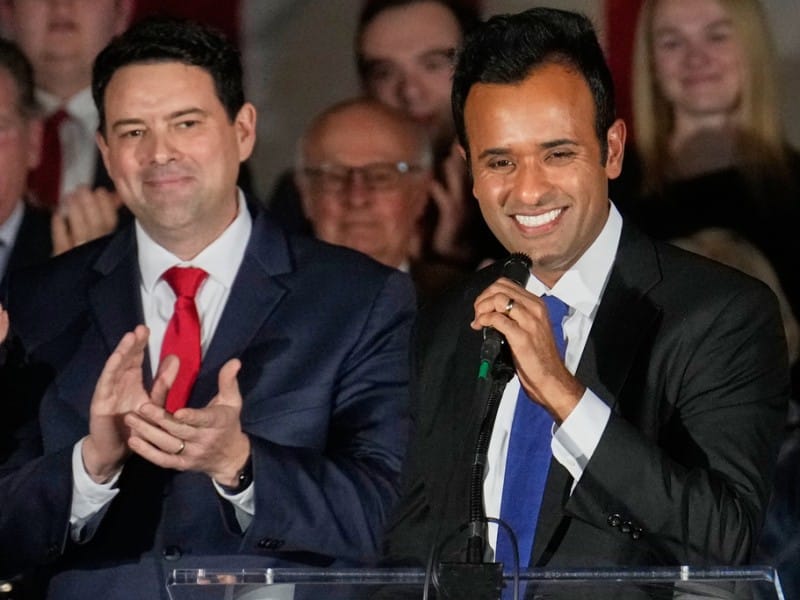
Ohio’s Ramaswamy and McColley have long backed near-total abortion bans
Even after Ohio voters overwhelmingly passed a 2023 constitutional amendment protecting abortion rights, GOP gubernatorial nominee Vivek Ramaswamy and state Senate President Rob McColley remain committed anti-abortion advocates. Audio from a recent rally shows McColley framing the constitutional defeat not as a setback, but as a shift in strategy.
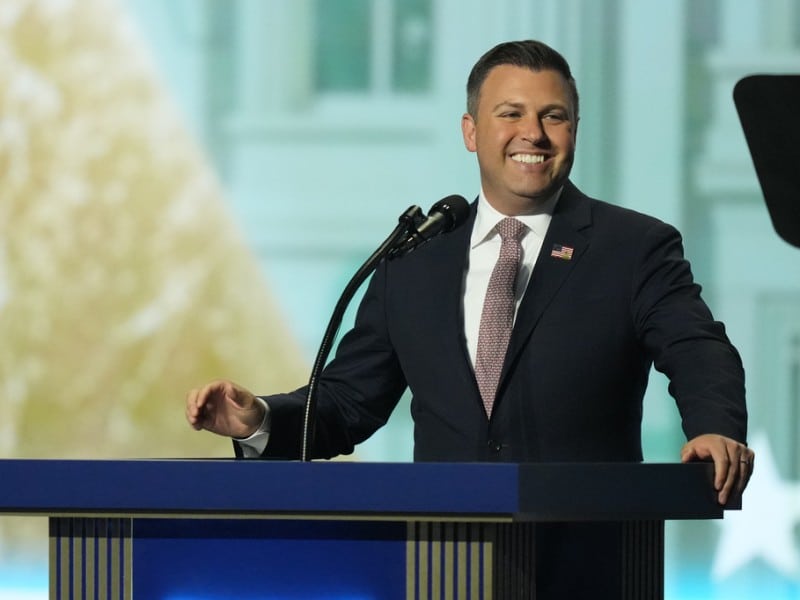
Ryan Mackenzie’s stance on data centers collides with his policy record
Rep. Ryan Mackenzie says data centers should pay their fair share. His record includes a 2021 tax exemption vote and support for limits on local oversight.