OPINION: It’s the vibes, stupid. How our feelings about the economy are ignoring the facts and impacting politics.
Jennfier Schulze writes, “Here’s the thing: The vibe is wrong. While there are certainly parts of the economy that are struggling and people who are hurting, the overall picture of the U.S. economy is bright and getting brighter.”
Political strategist James Carville famously said, “It’s the economy, stupid.” It became both a rallying cry and a campaign strategy for the victorious Bill Clinton presidential campaign in 1992. Back in that simpler time, it was enough to get the economy moving.
Today, people don’t or won’t recognize a strong economy even when it’s all around them. Plus, we live in a warped information ecosystem, so what matters isn’t the actual economy but how people feel about it. Now “it’s the vibes, stupid,” and facts take a back seat to feelings.
Republicans want to be sure that vibe is bad. They tell us things are bad, getting worse, and President Joe Biden is to blame. Pollsters, pundits, journalists then repeat and amplify that message.
Here’s the thing: The vibe is wrong. While there are certainly parts of the economy that are struggling and people who are hurting, the overall picture of the U.S. economy is bright and getting brighter.
The latest numbers show that the U.S. economy grew at a staggering rate of over 5.2% in the third quarter. Unemployment is at historic lows; wages are up; income disparities are improving; inflation is cooling faster than predicted; new business applications are setting records; stratospheric rents are dropping; investment in new manufacturing is booming. And in November, the stock market had one of its best months this year.
So where did this bad vibe come from? Why do public opinion polls show most Americans think the economy is actually doing substantially worse than it is? I think it’s the result of months of faulty financial analysis that has been amplified by the media that loves a good bad news story. In fact, you could say it’s another Big Lie. Simon Rosenberg is correct when he writes ”the economy is bad is the Big Lie of the 2024 election cycle.” (Be sure to read and share Rosenberg’s excellent, detailed look at the state of the economy.)
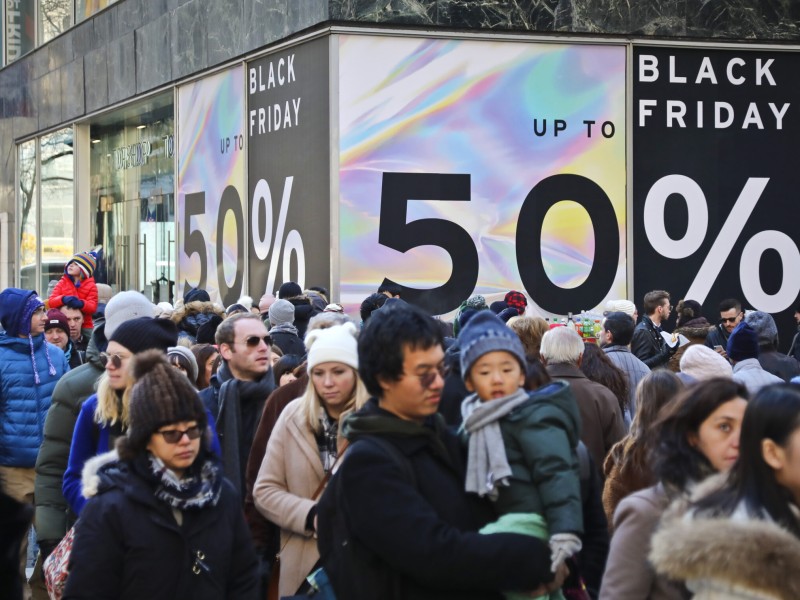
The five-day Black Friday shopping weekend is a good example of the disconnect. Here’s what CNBC was parroting from alleged experts two days before what is traditionally the biggest holiday shopping day of the year: “There’s a dark cloud hanging over Black Friday.” The Associated Press also had a dire prediction: “Bad news for Black Friday: Retailers cast doubt on holiday shopping with cautious guidance.”
Um, no. Cyber Monday was the biggest on-line shopping day of ALL TIME. The staggering e-commerce spending on Cyber Monday 2023 totaled some $12.4 billion. That’s a billion with a “B.” It’s an increase of 9.6% over 2022.
The entire five-day shopping weekend was gangbusters setting one record after the other. Black Friday broke online AND in-store shopping records with nearly $10 BILLION dollars in gifts purchased and an estimated 76.2 million people returning to walk the aisles in search of deals. That’s not all: Thanksgiving Day itself also set a shopping record with $5.29 billion in on-line sales, an increase of 2.9%.
And speaking of Thanksgiving, you might have noticed lower prices while shopping for your holiday meal fixings, gassing up your car and planning your travel. But that realization is likely clouded by the media’s constant drumbeat of high inflation stories. MSNBC’s Stephanie Ruhle with some hard facts:
Post by @bidenharrishqView on Threads
The Black Friday misfire is just the latest example of analysts, pundits and news organizations getting stories about the economy terribly wrong. Remember the looming recession that was surely going to hit the U.S. economy any minute? That scary prediction was big news starting last year with headlines like these:
- CNBC: “Why everyone thinks a recession is coming in 2023”
- World Economic Forum: “Chief Economists Say Global Recession Likely In 2023
- Wall Street Journal: “Big Banks Predict Recession”
Mark Zandi, the chief economist for Moody’s Analytics, was one of the very few analysts who didn’t buy the recession talk. He described frenzy this way:
“Usually recessions sneak up on us. CEOs never talk about recessions.” Now it seems CEOs are falling over themselves to say we’re falling into a recession… Every person on TV says recession. Every economist says recession. I’ve never seen anything like it.”
The recession never happened. Just like with Black Friday, the experts got it wrong. Torsten Slok of Apollo Global Management told The New York Times, “The forecasts have been embarrassingly wrong, in the entire forecasting community. We are still trying to figure out how this new economy works.”
All this “embarrassingly wrong” forecasting is now so baked into the national narrative that people tell pollsters the economy is a disaster and getting worse despite improvements in their own personal circumstances. Meanwhile, Fox is doing its level best to hammer home these bad predictions and distort actual good news about the economy. For the propaganda arm of the GOP (or is the GOP the political arm of Fox? It’s hard to tell.), that’s not at all unexpected.
The mainstream media has played its own role in this economic misinformation feedback loop. To be fair, there have been some follow-ups pointing out the mistaken recession predictions including these stories from CNN (“The case for a 2023 US recession is crumbling”( and Fortune (“Economists were mostly dead wrong about America crashing into recession. Just look at how they’ve changed their minds.”)
But the few follow-up stories don’t undo the damage done by the media’s on-going cherry picking of bad news that includes endless TV news live shots and dramatic headlines. As Media Matters noted, when gas prices spiked after the start of the Ukraine-Russia war in 2022: “Cable news spent more than double the amount of time covering gas prices when they were rising than when they were declining.” That unbalanced coverage is common.
There are also way too many positive economic stories featuring the infamous “yes, but what about this possible bad thing that might happen” construct. There is also a shocking lack of context in many economic stories. Tell us why egg prices are up (an avian flu outbreak). Explain the connection between inflation and price gouging and corporate profits.
It’s true that newsrooms have shrunk dramatically, so experienced business reporters are a rarity. But that’s no excuse for leaning into stenography journalism over actual news reporting. Press releases with economic predictions should never be taken at face value; many should just be ignored altogether.
Maybe it’s time to think of economic predictions like polling. Neither are actual news events; they are snapshots of a moment in time, some more reliable than others and all require accurate headlines and context. Fewer predictions and fewer polls would help tell a more accurate story.
Of course, there’s also the ongoing question of how economic news is being reported during the Biden presidency vs. when Donald Trump was in office. Headlines like this are rare: “Spread the news: U.S. economy is strong under Biden.” You are more likely to see the president’s role ignored or minimized by comparison to coverage when Trump was in office. These journalism failures could have huge consequences in 2024. Again, Mark Zandi:
“Given our sour mood on the economy, President Joe Biden has gotten no credit for his economic policies. The massive American Rescue Plan has been instrumental in getting quickly back to sub-4% unemployment, increased infrastructure investment, and incentives to bring semiconductor production back home and address climate change. Despite that, polls show that the electorate is down on Biden’s handling of the economy. This likely has less to do with his policies, and more to do with our sour mood. And this may decide the next election.”
The bottom line: Facts should matter a lot more than vibes, especially when the vibes are ill- or mis-informed. The news media has a particularly important role to play and so far, it is not meeting the moment. Don’t let ”the economy is bad” become the next Big Lie. Push back on expert predictions — especially ones proven wrong time and again; do more reporting and less polling; cover good news with gusto and put it all in context so people better understand what’s really going on in our economy.
Jennifer Schulze is a former Chicago journalist who talks media every month on WCPT 820AM on “Live, Local & Progressive with Joan Esposito” with former Chicago Tribune editor Mark Jacob. You can follow her on Twitter/X @NewsJennifer or Threads @jenniferschulzechi.
Heartland Signal encourages news organizations and content creators to use our content. You're welcome to republish this article for free as long as you follow our republishing guidelines.
Related Articles
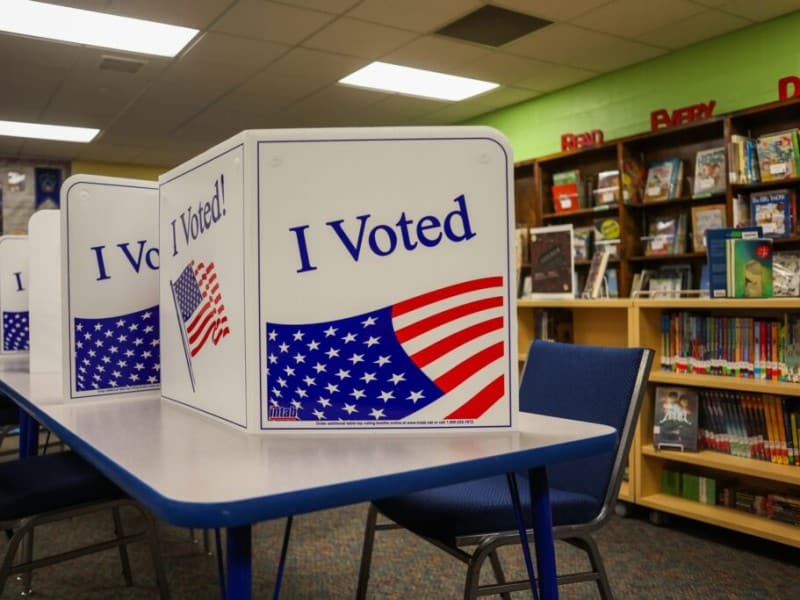
Bill to end Pennsylvania’s closed primary elections passes state House
A bill to allow independent and third-party voters to cast ballots in Pennsylvania primary elections passed Tuesday in the state House.
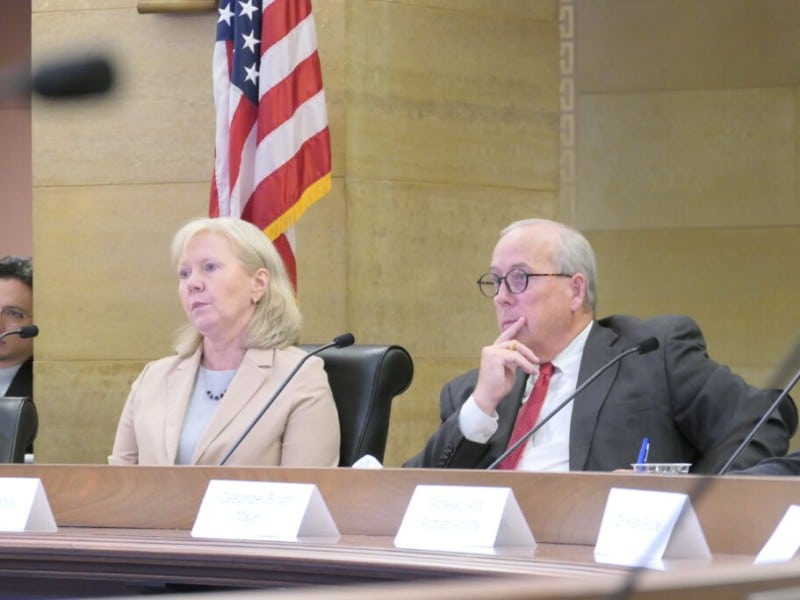
Minnesota Truth Council concludes public testimony on Operation Metro Surge
A council tasked with documenting the harms of — and resistance to — the federal government’s immigration crackdown held its final public meeting Tuesday in Rochester.
Missouri education board declines to seek $300 million increase in school aid
After a stalemate, the board voted to keep its foundation formula request flat despite rising costs under state law.