Abortion bans in 18 states specifically rule out mental health exceptions, including suicidal ideation
According to a recent report from Roll Call, there are currently 18 state abortion bans in the United States that specifically prohibit mental health exceptions in the bills’s language.
According to a recent report from Roll Call, there are currently 18 state abortion bans in the United States that specifically prohibit mental health exceptions in the bills’s language.
In a state like Tennessee, the law allows physicians to seek an exemption to the state’s abortion ban to prevent the mother from dying or if major bodily functions are threatened. However, the text specifically excludes “psychological or emotional conditions” of the woman.
But the very same law contains conflicting language stating that the physician is required to report any medical complications following an abortion, including “psychological complications, such as depression, suicidal ideation, anxiety, and sleeping disorders.”
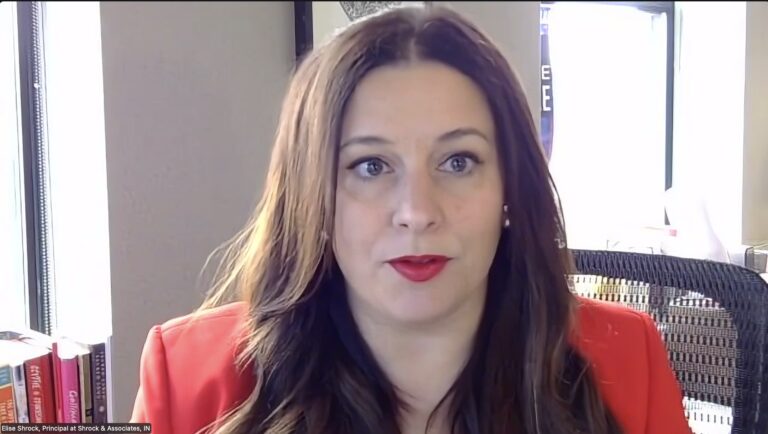
During pregnancy, mental health conditions occur roughly as often as physical complications according to Dr. Kristin Lyerly, an obstetrician-gynecologist from Wisconsin with over 15 years of experience.
“We see a lot of mental health concerns. It’s really hard to put a good number on it because mental health is defined in so many different ways and because so many mental health conditions go undiagnosed,” Lyerly explained. “So, estimates range from 15-65% depending on the study and condition that you look at. But the most common things we see — before, during and after pregnancy — are anxiety and depression.”
Lyerly also explained that one-third of women with pre-existing depression will experience symptoms during and after pregnancy, which could lead to suicide due to the immense amount of stress and bodily strain that comes with a pregnancy. According to the Centers for Disease Control and Prevention, nearly 23% of pregnancy-related deaths are a result of mental health disorder.
“The thing about pregnancy is that it stresses the body, and it stresses the mind,” Lyerly said. “You’re not sleeping the way that you did before. You’re probably not eating the way that you did before. Maybe you’re nauseated all the time. There are so many different physical stressors as well as psychological stressors.
“Maybe you’re happy about the pregnancy, we’re taught as a society that pregnancy is a happy thing. But for many, many people, pregnancy is not a joyful thing. And that tends to cause an additional level of stress. So if you’ve been living with an undiagnosed mental disorder, like bipolar disorder, depression, whatever, it’s more likely to manifest because it’s stressing your body out and pushing you in that direction.”
In addition to depression and anxiety, extreme cases could see a pregnant person develop more serious mental health conditions such as psychosis or bipolar disorder. Physicians are already put in a delicate situation when these conditions occur, but doctors in states that restrict mental health exceptions for abortions are under even more pressure because of local politics.
“I think it’s really necessary to understand that we do not have nearly enough mental health providers for all of us. I mean for the general population,” Lyerly clarified. “But it’s especially acute for pregnancy related mental health disorders because pregnancies move fast. And when a pregnant or post-partum woman needs help. She needs help immediately.”
There are currently 21 U.S. states that currently enforce limitations on abortion, ranging from total bans with no exceptions to restrictions after 18 weeks of gestation.