
Minnesota poised to complete one of nation’s largest solar farms after permit vote
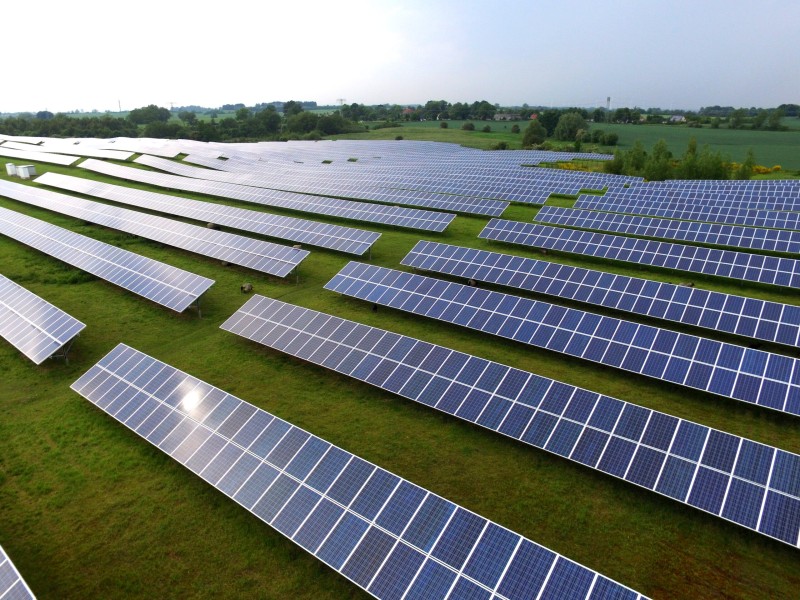
Construction could begin in Minnesota later this year in the final phase of one of the nation’s largest solar energy developments, after state regulators greenlighted a key permit.
The Minnesota Public Utilities Commission on Thursday approved the site permit requested by Xcel Energy. The utility is moving forward with plans to replace the Sherco coal plant site in Becker, about halfway between St. Cloud and Minneapolis. Two other solar arrays that are part of the development have already been approved, and construction began last year.
Katie Sieben, chair of the Minnesota Public Utilities Commission, summarized the significance of approving the third phase.
“It’s certainly a very important project for Minnesota and the upper Midwest,” Sieben pointed out.
Once fully operational, the company said the combined solar capacity would generate enough electricity to power more than 150,000 homes each year, on average. Regional utilities are under pressure to meet the state’s goal of carbon-free electricity by 2040. Concerns from nearby landowners were brought up before the vote, such as the need to maintain vegetation around the site for aesthetic purposes.
Officials tied to the project stressed they are committed to long-term monitoring of plants and trees, in addition to special permit conditions.
Charles Sutton, representative for North Central States Regional Council of Carpenters and International Union of Operating Engineers Local 49, called in to the meeting and noted the positive impact construction is having on the local workforce.
“We appreciate the company’s work,” Sutton emphasized. “Continuing to partner with workers and ensuring that these projects are built by highly skilled workers that are local, and that are being paid family-sustaining wages and benefits.”
Over the winter, Xcel closed the first generator of the Sherco coal plant. The remaining units will be phased out over the next five years. Xcel said it is also working with the state and local communities to bring new jobs and investments to areas affected by coal plant retirements.
Heartland Signal encourages news organizations and content creators to use our content. You're welcome to republish this article for free as long as you follow our republishing guidelines.
Related Articles
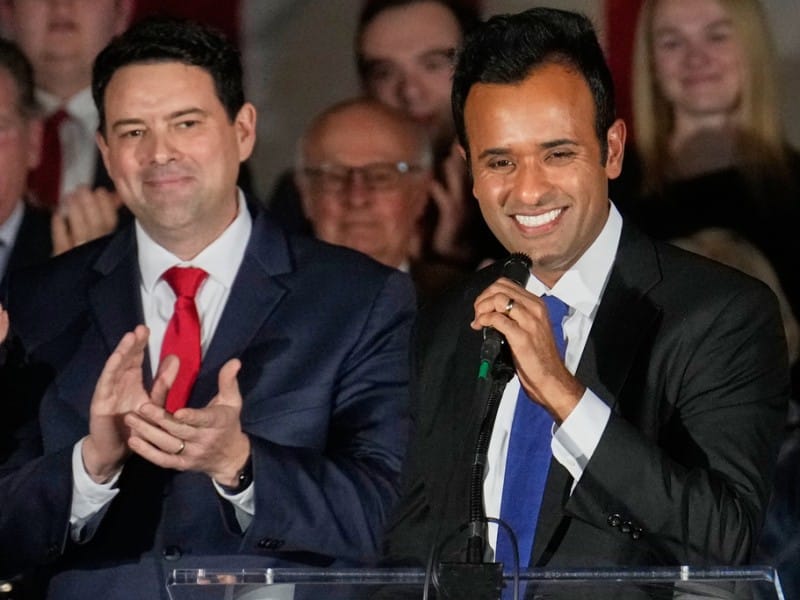
Ohio’s Ramaswamy and McColley have long backed near-total abortion bans
Even after Ohio voters overwhelmingly passed a 2023 constitutional amendment protecting abortion rights, GOP gubernatorial nominee Vivek Ramaswamy and state Senate President Rob McColley remain committed anti-abortion advocates. Audio from a recent rally shows McColley framing the constitutional defeat not as a setback, but as a shift in strategy.
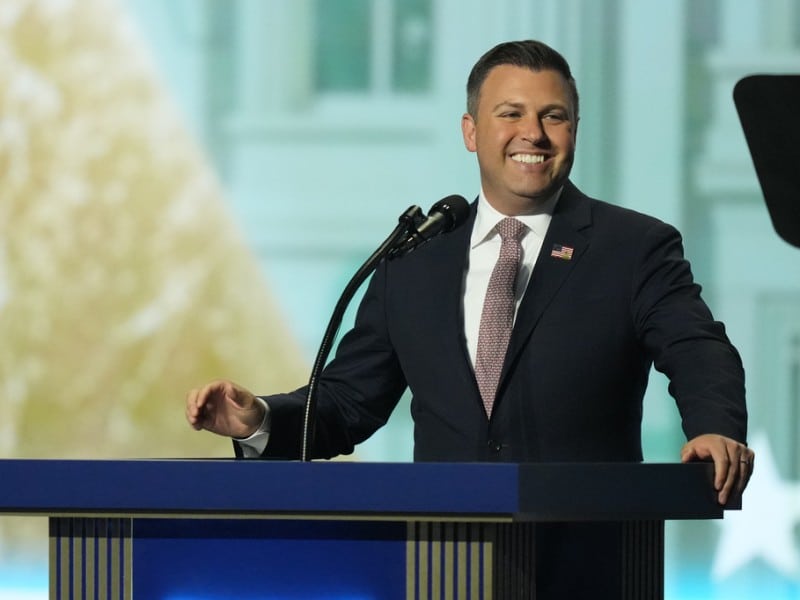
Ryan Mackenzie’s stance on data centers collides with his policy record
Rep. Ryan Mackenzie says data centers should pay their fair share. His record includes a 2021 tax exemption vote and support for limits on local oversight.

Michigan state Sen. Mark Huizenga holds stocks in the same companies he regulates
A review of state Sen. Huizenga’s personal financial disclosures and campaign finance reports shows that he owns stock and accepts contributions from pharmaceutical companies while serving on the Senate Health Policy and Human Services Committee.