Indiana Republicans push law to put chaplains in school

Indiana Republicans appear to be toeing the party line in a push to put chaplains in public and charter schools, including an option to hire clergy.
Democrats are quick to point out the timing of the legislation comes as Indiana copes with a school counselor crisis. One lawmaker cited Indiana’s ratio of nearly 700 students assigned to every one school counselor. After an hour of testimony and questions, it became clear stopping the legislation didn’t have a prayer.
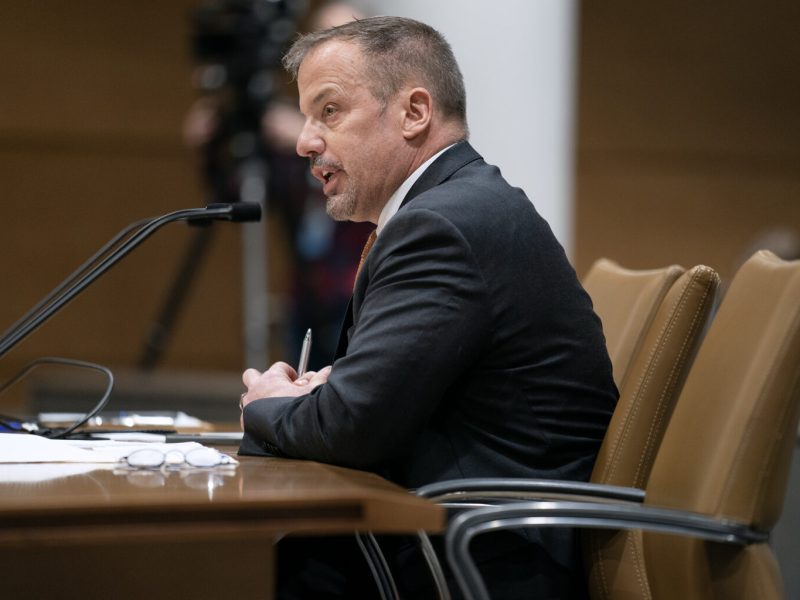
Gray Lesesne, rector of Christ Church Cathedral, opposed Senate Bill 50 and claimed it blurs the lines of professional boundaries.
“Given this Legislature’s recent concern about the rights of parents, this bill’s provision for private and confidential student-chaplain interactions is concerning,” Lesesne contended. “Finally, I’m concerned about the power imbalance and lack of role clarity if clergy were allowed to serve as chaplains.”
Proponents of the bill say it would allow a school chaplain to provide nonsecular support to students and employees under certain circumstances, but opponents seem concerned the language in the bill does not require anyone to divulge privileged or confidential information.
Sen. Stacey Donato, R-Logansport, told the committee her bill is designed to help Hoosier school corporations and would require school board approval.
“Senate Bill 50 is an aim to give schools another tool in their toolbox with an option to add additional resources for emotional needs for students, teachers, staff, resource officers, administration and parents,” Donato explained.
Democrats introduced three failed amendments, which fell one after another like dominoes. The Republican bill advanced along party lines.
Sen. Shelli Yoder, D-Bloomington, is among the four Democrats on the committee who opposed the legislation.
“The chaplain, who is now the government as an employee of the school, is providing spiritual formation of a child whether he, she or they want it, whether or not both parents have agreed to the spiritual formation,” Yoder argued.