
OPINION: 17 candidates on a single ballot? I have a sensible answer to that absurd problem
Elections, including and especially primaries, ought to be about measuring the will of the majority, Eric Zorn argues. So once again, Eric Zorn is making the case for ranked-choice voting in multicandidate races.
This article was originally published as part of The Picayune Sentinel’s June 16 issue.
Seventeen Democrats will be on the June 28 primary ballot in Illinois’ 1st Congressional District, meaning that, theoretically, 6% of the vote could win the nomination. And, far more likely but only slightly less troubling, a candidate with less than 20% support could win.
After all, in the February, 2019 Chicago mayoral primary, there were only 14 candidates and Lori Lightfoot was the top vote getter with just 17.5% support. She then faced a run-off election with the second-place finisher — Cook County Board President Toni Preckwinkle, who’d won 16% of the vote — just as the Democratic victor on June 28 will face a Republican challenger on Nov. 8.
But given Democratic dominance in the district — Rush has won more than 70% of the congressional vote in every election since 1992 — the reality is that the primary winner will go to Washington next year.
But elections, including and especially primaries, ought to be about measuring the will of the majority.
So once again, I am making the case for ranked-choice voting in multicandidate races. In such a system, voters are asked to rank all the contenders in order of preference, first, second, third and so on.
If no candidate gets a majority of first-choice votes, the last-place candidate is eliminated and the second-choice votes of his or her supporters are added to the others’ totals. This process repeats until one of the candidates breaks the 50 percent barrier.
This system eliminates the effect of so-called spoiler candidates who siphon off support from candidates whose views are actually more popular among the electorate.
It stands to encourage voters to come to the polls even if they don’t think their first choice has a chance. It prompts them to play closer attention to the entire field of candidates. It eliminates the expense of run-off elections where those are held. And backers say it has a moderating effect on our politics because candidates seeking second and even third-choice votes will be reluctant to engage in rank, ugly negative campaigning.
FairVote, the main organization pushing ranked-choice voting, reports: “As of June 2022, 55 cities, counties, and states are projected to use RCV for all voters in their next election. These jurisdictions are home to approximately 10 million voters, and include 2 states, 1 county, and 52 cities. Military and overseas voters cast RCV ballots in federal runoff elections in 6 states.”
Admittedly, this “better way” isn’t perfect. Opponents argue that anything more elaborate than “check one” can confuse voters, inspire excessive pandering by candidates, break down party discipline and hinder the hopes of strong minority candidates in certain situations. (RCV would likely have denied Harold Washington his landmark, 37-percent victory over two white candidates in Chicago’s 1983 Democratic mayoral primary, for example).
But plurality rule has its drawbacks as well, as we are likely about to see.
My first choice is to at least give ranked choice voting a try for an election cycle or two. How much more absurd could it possibly be than the idea of 17 Democrats scrapping for a narrow sliver of the vote?
Here is my 2009 FAQ/webliography on RCV.
Eric Zorn is the writer of the Picayune Sentinel newsletter and a former Chicago Tribune columnist. You can follow him on Twitter @EricZorn.
Heartland Signal encourages news organizations and content creators to use our content. You're welcome to republish this article for free as long as you follow our republishing guidelines.
Related Articles
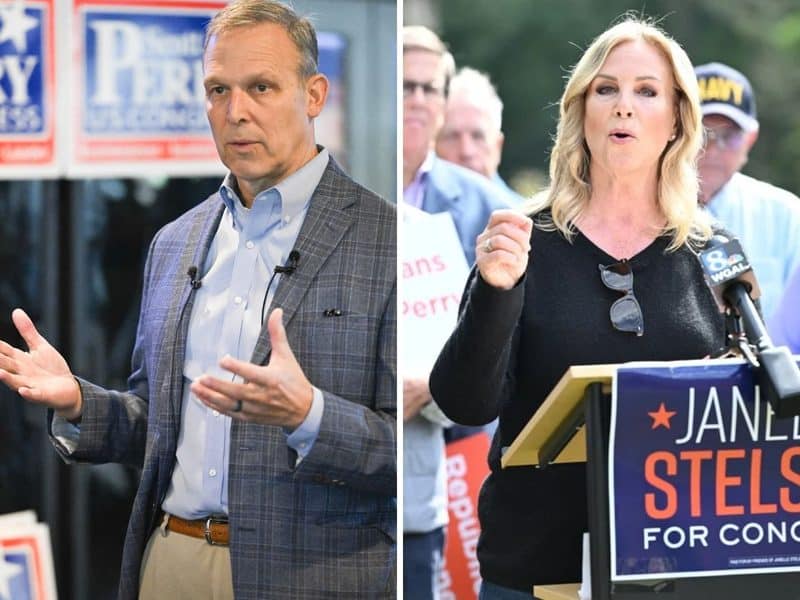
PA-10: Scott Perry ad levels unproven nudity claim at Janelle Stelson
Perry’s campaign released an ad accusing Democratic challenger Janelle Stelson of exposing herself to a child, based on an unsubstantiated notarized statement from a Perry-supporting neighbor, not a legal affidavit. No charges were filed.

Michigan 4th District race: McCann, Huizenga split over energy costs
In Michigan’s 4th Congressional District, a close race pits state Sen. Sean McCann (D) against longtime Rep. Bill Huizenga (R), who supports federal rollbacks of clean energy subsidies and expanded fossil fuel production. Both candidates diverge sharply on why utility prices are so high and solutions.
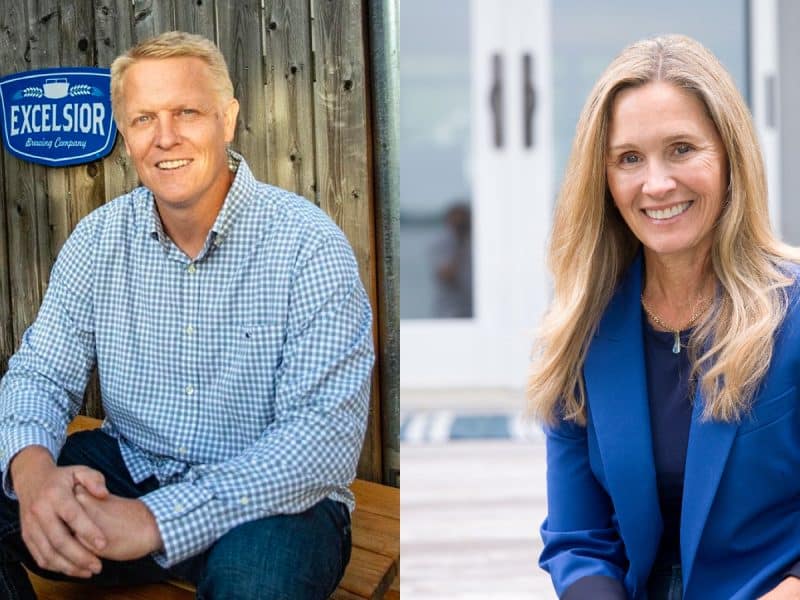
Minnesota House 45A: Myers, Breazeale split on guns, agree on data centers
This year’s race is a rematch of 2022 when Republican Myers defeated Democrat Breazeale with 55% of the vote to her 45%. The DFL hopes to flip the seat blue and, with it, regain a majority in the Minnesota House.