
Democratic friction in Wisconsin helped tank Governor Tony Evers’ $1.8 billion spending bill
Wisconsin Senate Democrats joined Republicans to sink Gov. Tony Evers’ $1.8 billion spending plan, condemning the “backroom” negotiations that produced a plan they say fell short of the state’s needs.
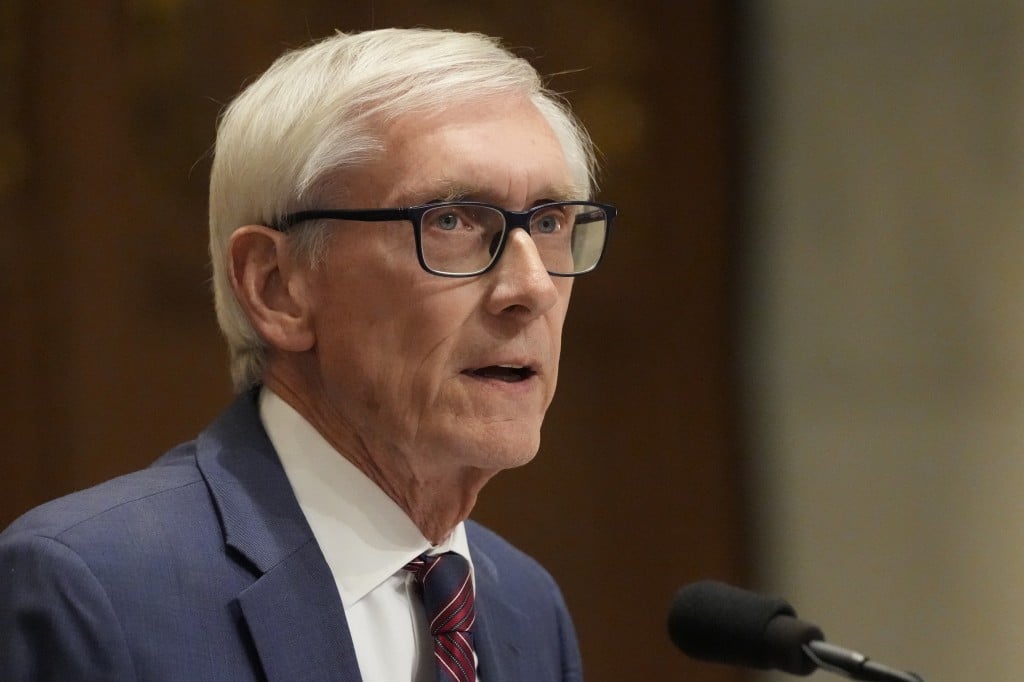
After months of bipartisan negotiations, the Wisconsin state Senate voted down a $1.8 billion spending package proposed by Gov. Tony Evers (D). The Wednesday night vote represented a rare instance of Democratic infighting in the state, as all 15 Senate Democrats voted down the governor’s plan alongside three Republicans.
An unlikely trio consisting of Evers, Assembly Speaker Robin Vos (R-Rochester) and Senate Majority Leader Devin LeMahieu (R-Oostburg) announced the Assembly Bill 1 on Monday, with the governor calling the legislature in for a special session to vote on the package. The three leaders — who have rarely agreed on anything during Evers’ eight-year tenure as governor — faced opposition from both of their respective parties, which ultimately led to the bill failing in a 15-18 vote on Wednesday.
The package included:
- $850 million in direct payments to Wisconsin residents
- 50% special education reimbursement rate
- $600 million investment in K-12 schools
- $350 million in statewide property tax relief
- Eliminates income tax on cash tips and overtime
Opposition from both sides
Moments before her entire caucus voted “no” on the bill, Senate Minority Leader Dianne Hesselbein (D-Middleton) called it “reckless” and said it would create a $2.9 billion structural deficit for the next legislature to deal with. She also criticized Evers, Vos and LeMahieu — none of whom are seeking reelection in 2026 — for negotiating the package behind closed doors without input from her or Assembly Minority Leader Greta Naubauer (D-Racine), who also opposed the bill.
“This is a completely reckless proposal stitched together in a backroom deal by three people who will not be running around and won’t be here when the consequences of a multibillion dollar deficit comes home to roost. It’s simply something I can’t support,” Hesselbein said on the Senate floor.
Democrats also pushed back on Evers’ claim that his package will ensure Wisconsin schools will have the resources they need. State Sen. Mark Spreitzer (D-Beloit) cited the legislature’s Legislative Fiscal Bureau when Evers spokesperson Britt Cudaback claimed schools would be able to use the funds for whatever they want.
“Payments from the general aid appropriation are under revenue limits, so the additional aid would provide property tax relief but not additional resources for school districts,” the Bureau wrote in an analysis published on Tuesday.
In a statement on Thursday, the Wisconsin Association of School Boards expressed disappointment in the legislature’s failure to pass AB 1, although they acknowledged that it fell short of solving structural funding challenges.
“This bill was not a cure-all. Although it promised levels of special education reimbursement not seen in decades, it would not have resolved the structural funding challenges that continue to push school districts toward referenda, program cuts and difficult choices,” the statement says. “But it would have been a productive first step toward continuing conversations on both sides of the aisle for the betterment of students and taxpayers.”
School districts, which are funded by property taxes and state money from the legislature, have been asking lawmakers for financial relief, citing inflation, low enrollment and teacher shortages. In March’s elections, 75 school districts asked voters to increase their own property taxes to help address funding shortages, and 46 of those referenda passed. One referendum in Appleton asked for a $60 million funding increase over the next four years, which passed with 66% of the voters approving it.
Most Democratic primary candidates for governor also opposed the package, including state Sen. Kelda Roys (D-Madison), State Rep. Francesca Hong (D-Madison) and Evers’ former Lt. Gov. Mandela Barnes (D). Current Lt. Gov. Sarah Rodriguez (D) called the deal “far from perfect,” but refused to answer whether she would have voted for it if she had the opportunity.
U.S. Rep. Tom Tiffany (R-WI), the Republican frontrunner in the gubernatorial race, opposed the deal and voiced his concerns with GOP lawmakers before Wednesday’s vote. After AB 1 failed, Evers blamed Tiffany and the Democrats who voted against it, accusing them of prioritizing the 2026 elections instead of Wisconsinites.
“Wisconsin’s kids and schools aren’t going to get the investments they desperately need this year because Tom Tiffany and a few Republican and Democratic lawmakers chose to blow up a bipartisan plan to invest in our K-12 schools, lower property taxes, and help working families afford rising costs, all because they’d rather do what’s best for the next election than what’s right for the people of our state,” Evers said.
What’s next?
Before AB 1 died in the Senate, the Wisconsin Assembly approved it with a 61-32 vote, with just 10 Democrats joining 51 Republicans. In a press conference before the session, Vos implied that there would be no further negotiations on the package and that Wednesday would be the last session for the year even though lawmakers have the ability to extend an extraordinary session.
With most of the Republican leadership in the state legislature and several others retiring this year, and the GOP’s gerrymandered legislative map out of play, Wisconsin Democrats have their best chance in 16 years to secure a trifecta in the state government.
Heartland Signal encourages news organizations and content creators to use our content. You're welcome to republish this article for free as long as you follow our republishing guidelines.
Related Articles
Missouri education board declines to seek $300 million increase in school aid
After a stalemate, the board voted to keep its foundation formula request flat despite rising costs under state law.
December trial date set for South Dakota lawmaker facing election-related felony charges
A judge in Minnehaha County set a December trial date on Tuesday for a South Dakota state senator facing election-related felony charges.

Jackson County GOP names 9/11 golf sponsorships after attack sites
Sponsorship tiers named for the Twin Towers, the Pentagon and Flight 93 are on sale for a “Tee Off in Remembrance” event on the attacks’ 25th anniversary.