
The Mark Meadows rabbit hole: The cyber team built to overturn the 2020 election
Talking Points Memo published thousands of new text messages Monday that were previously uncovered by the Jan. 6 House committee, further illustrating the harm Mark Meadows and his co-conspirators wanted to commit on Jan. 6.
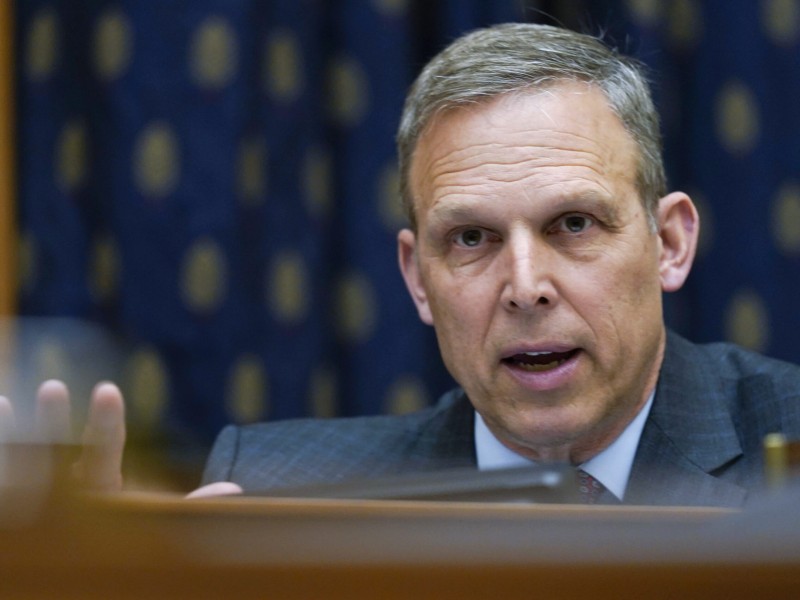
Jan. 6 is regarded as one of the darkest days in recent American history. It was a brazen attempt to overthrow American democracy, with multiple players and angles fueling it. One such player that has drawn a lot of attention is Mark Meadows. Talking Points Memo published thousands of new text messages Monday that were previously uncovered by the Jan. 6 House committee, further illustrating the harm Meadows and his co-conspirators wanted to commit on Jan. 6.
Meadows, who served as former President Donald Trump’s last White House chief of staff, appears to have been assembling a “cyber team” whose primary objective was to overturn the 2020 election. In texts obtained by the Jan. 6 committee, Meadows had frequent communication with Congressman Scott Perry (R-PA). The two would tally at least 62 text messages during the span of Nov. 3, 2020, to Jan. 20, 2021, mainly to talk about wild election conspiracies and using his statuses to create doubt amongst Americans.
Popular Midwestern members of Congress identified in the series of Meadows texts include, Rep. Andy Biggs (R-AZ), Rep. Warren Davidson (R-OH), Rep. Tom Emmer (R-MN), Sen. Ron Johnson (R-WI), Rep. Bob Gibbs (R-OH), and Rep. Fred Keller (R-PA).
Another notable Midwestern member was Rep. Jim Jordan (R-OH). Jordan sought out then-Vice President Mike Pence to present a plan to throw out the results, an area that Pence was in charge of. Pence would not follow through on this opportunity, a move that angered both Trump and Meadows.
Russell Dye, Jordan’s communications director had the chance to speak with TPM, where he said, “In other words, the idea mentioned in the text was not crafted by Mr. Jordan. It was a legal theory developed by a former DOD Inspector General.”
The days leading up to Nov. 10 saw the men debate bringing in right-wing attorneys Sydney Powell and Cleta Mitchell. While Perry supported Powell, both men could not agree on her involvement. Cleta Mitchell’s involvement was different; according to Perry’s text, she was eager to fund a 501 (c)(4) non profit to support the efforts.
“Cleta asked if she should set up a C4 to deal with raising money and paying for the cyber portion. She offered to do it if necessary,” Perry wrote.
While the men were active via text message, texts from Perry indicate they were also communicating via Signal. Signal is an encrypted end-to-end messaging app that allows people to communicate in private.
It was now Nov. 10, and Perry was attempting to contribute his own efforts in swinging key states like Michigan, Wisconsin and Arizona. Per TPM, “Perry also asked Meadows for ‘a point of contact in Wisconsin and Arizona,’ and for other people associated with “‘the cyber effort.’”
The days after Nov. 10 would see Perry fall deeper into online web of conspiracies associated with the election. Now speaking with Meadows and Jordan, Perry claimed they could challenge the vote in Pennsylvania, another claim based on conspiracies and delusions.
One of Perry’s claims in the series of texts centered around Dominion voting software; Perry believed the software was hacked. Even despite Meadows own skepticisms of the theory, Perry still persisted, claiming, “DNI needs to task NSA to immediately seize and begin looking for international comms related to Dominion – was china [sic] malware involved?”
Perry ultimately believed this scheme was orchestrated by Trump CIA Director Gina Haspel and the United Kingdom. In addition to this, Perry wanted former U.S. Attorney for the Eastern District of Pennsylvania Bill McSwain to investigate the final voting results in his state. McSwain chose not to challenge the vote, which ultimately frustrated the team and Trump himself.
Throughout the month of December, Perry tried multiple times to reach out to Meadows, to discuss “strategy” for Jan. 6. The specifics of future communications are unknown, according to TPM.
Shortly after these conversations, Perry played with the idea of installing Jeffrey Clark, assistant attorney general for the Department of Justice’s natural resources section, as the acting attorney general. With Clark in office, he could enact an executive order Trump signed in 2018, which allows the president and his cabinet members the ability to create sanctions if law enforcement officials declared there to be meddling in an election.
Perry believed that the Italian government, specifically Italian defense contractors, used military grade equipment to hack and steal the election for Joe Biden. This conspiracy became known as “ItalyGate.” This was a popular theory that multiple Trump allies supported.
“Per a Senate Judiciary Committee report released last year, if he was placed atop the Justice Department, the plan was for Clark to send letters to multiple swing states informing them the DOJ had concluded that their election results were indeterminate,” TPM’s Hunter Walker and Josh Kovensky wrote Monday. “That report identified Perry as the one who introduced Clark to Trump.”
These are various instances that saw Trump and his team of committed allies attempt to steal the 2020 election. While all these theories and cases ultimately fell flat, supporters of Trump had their day on Jan. 6. This day, one of the darkest days in American history, would see Trump encourage his supporters to not give up and concede and to “fight like hell.”
Heartland Signal encourages news organizations and content creators to use our content. You're welcome to republish this article for free as long as you follow our republishing guidelines.
Related Articles
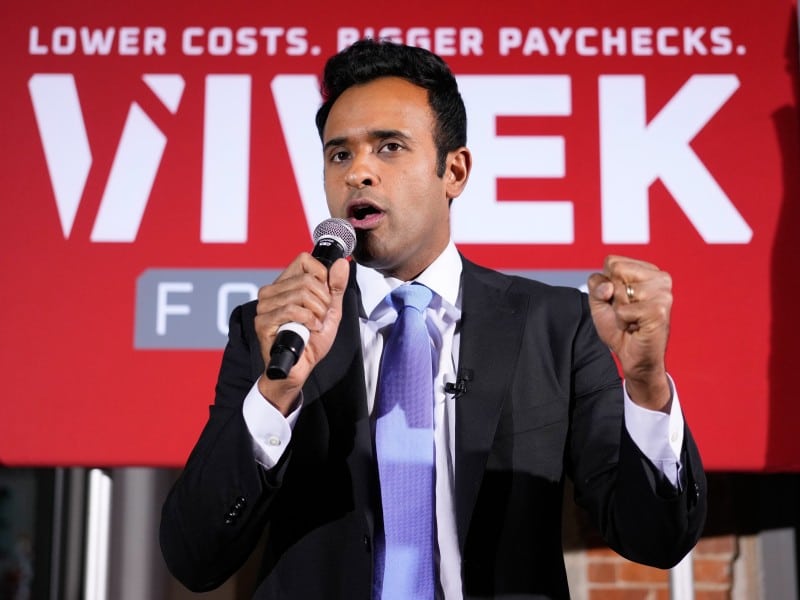
During bid for governor, Ramaswamy has spent nearly 40% of his time outside of Ohio
According to a new report, the multibillionaire has spent 79 days away from Ohio this year — including 14 international travel legs — as he faces off against Democrat Amy Acton.
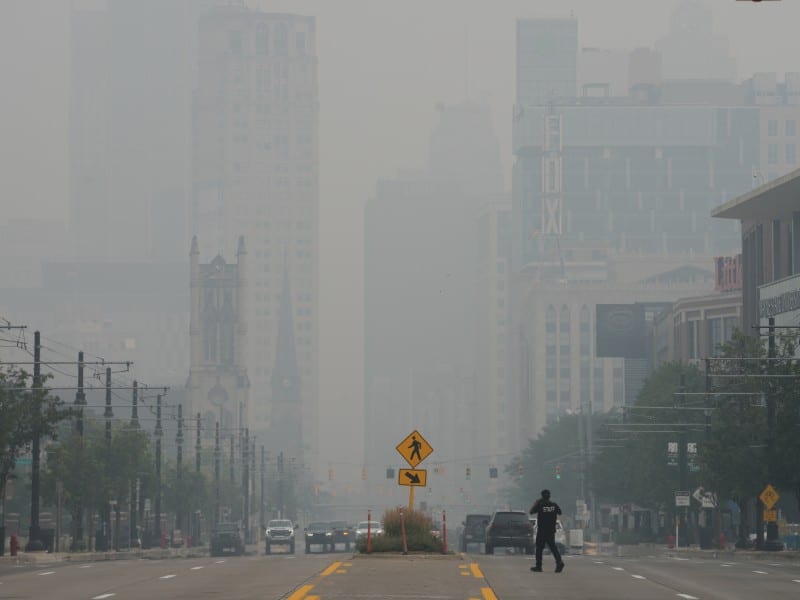
Michigan Republican films campaign ad in hazardous wildfire smoke
Michigan House candidate Laura Perry is facing scrutiny after filming a campaign ad on a soccer field during a hazardous statewide air quality alert. State health officials had recommended avoiding strenuous outdoor activities as air quality readings exceeded dangerous levels.
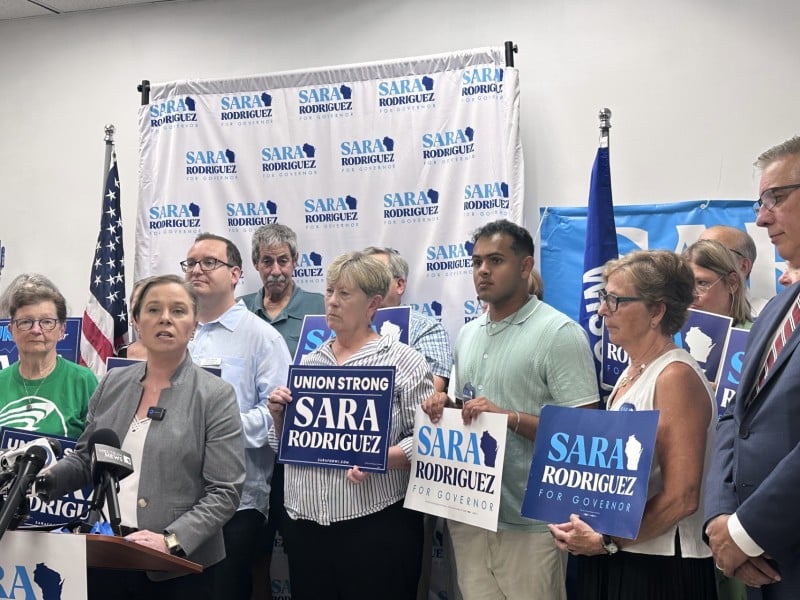
[UPDATED] Wisconsin Dems react as Sarah Rodriguez ends bid for governor after campaign finance scandal
Rodriguez suspended her gubernatorial campaign Friday, citing serious financial mismanagement that left her campaign unable to pay for a scheduled $1 million ad buy.