Iowa and Nebraska reject federal funding for child food assistance
Two Midwestern states, Iowa and Nebraska, have announced they will not participate in the federal government’s Summer Electronic Benefits Transfer Program (EBT), an initiative to help feed children of low-income families in summer months.
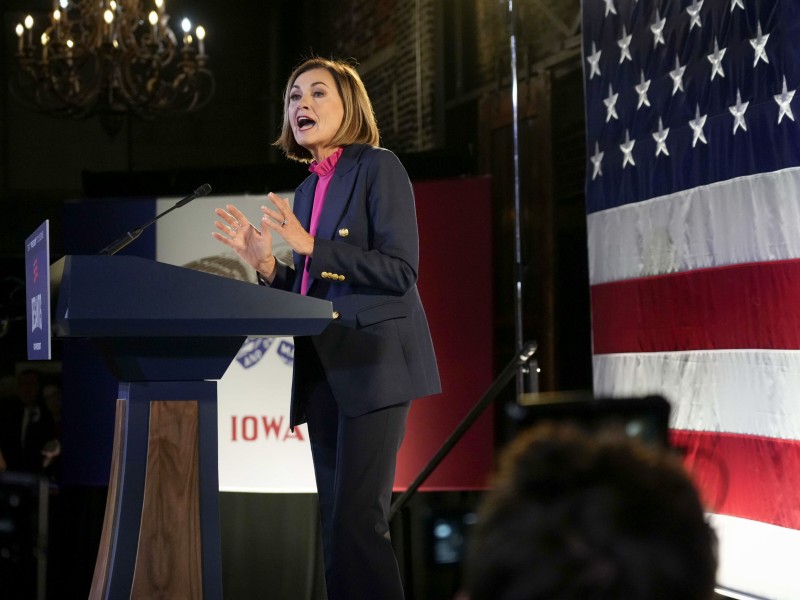
Two Midwestern states, Iowa and Nebraska, have announced they will not participate in the federal government’s Summer Electronic Benefits Transfer Program (EBT), an initiative to help feed children of low-income families in summer months.
In a news release from last Friday, Iowa Gov. Kim Reynolds (R) criticized the Biden administration for the U.S. Department of Agriculture’s EBT program lacking a focus on nutrition.
“Federal COVID-era cash benefit programs are not sustainable and don’t provide long-term solutions for the issues impacting children and families,” Reynolds said in the release. “An EBT card does nothing to promote nutrition at a time when childhood obesity has become an epidemic.”
The Biden administration first implemented the EBT program during the height of COVID pandemic in 2021. It became a permanent fixture as part of the Consolidated Appropriations Act, which became law in December of 2022. If a state opts in, they are expected to foot half of the total administrative costs, which in Iowa’s case is an estimated $2.2 million, according Reynolds’ news release.
“If the Biden Administration and Congress want to make a real commitment to family well-being, they should invest in already existing programs and infrastructure at the state level and give us the flexibility to tailor them to our state’s needs,” the release argued.
Iowa currently boasts a reported $1.91 billion budget surplus, and Reynolds’ administration pushed tax cuts that are expected to decrease Iowa’s tax income in 2024. However, there was still enough money to give her staff significant pay raises while her office suggests more tax cuts in the future.
State Sen. Izaah Knox (D-Des Moines) voiced his disappointment in the governor’s decision in his own statement.
“I do not like that Iowa is not participating in the USDA’s 2024 Summer EBT program,” Knox said. “Nevertheless, I agree that we must address Iowa’s food insecurity pandemic with adequate and sustainable solutions. I am glad that the Governor and her administration desire to address this issue, which impacts 1 in 13 Iowans, including nearly 69,000 children.”
Similarly, Nebraska also opted out of the EBT program with Gov. Jim Pillen (R) telling the Lincoln Journal Star, “I don’t believe in welfare.” After major backlash from constituents and food pantry workers, Pillen doubled down on his decision saying, “We’re going to feed all those kids way better than this federal program.” As of February, Nebraska’s budget surplus was estimated to be $1.92 billion and the administrative costs to participate in the EBT program would be a reported $300,000 annually.
States and territories have until Jan. 1 to opt into the program, and according to the Department of Agriculture’s website, 23 states will be participating in 2024. As of Dec. 27, other Midwestern states like Illinois, Ohio, Wisconsin, Minnesota, Michigan, Kansas and Kentucky have enrolled in the program.
Heartland Signal encourages news organizations and content creators to use our content. You're welcome to republish this article for free as long as you follow our republishing guidelines.
Related Articles
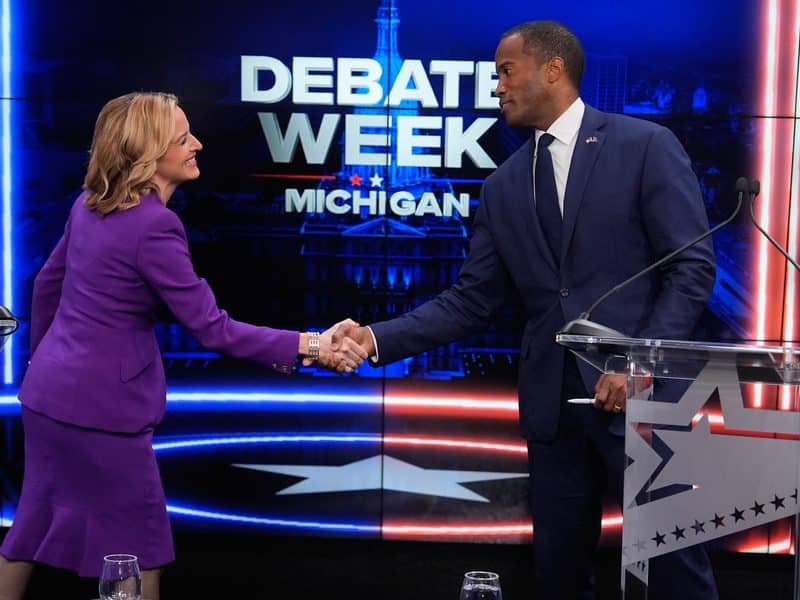
Data centers investments, personal finances take center stage at Michigan governor debate
Michigan gubernatorial candidates Jocelyn Benson and John James faced off over rising living costs, government reform and data center developments. While both candidates agreed on a couple issues, they clashed over transparency and who is best equipped to lead the state.
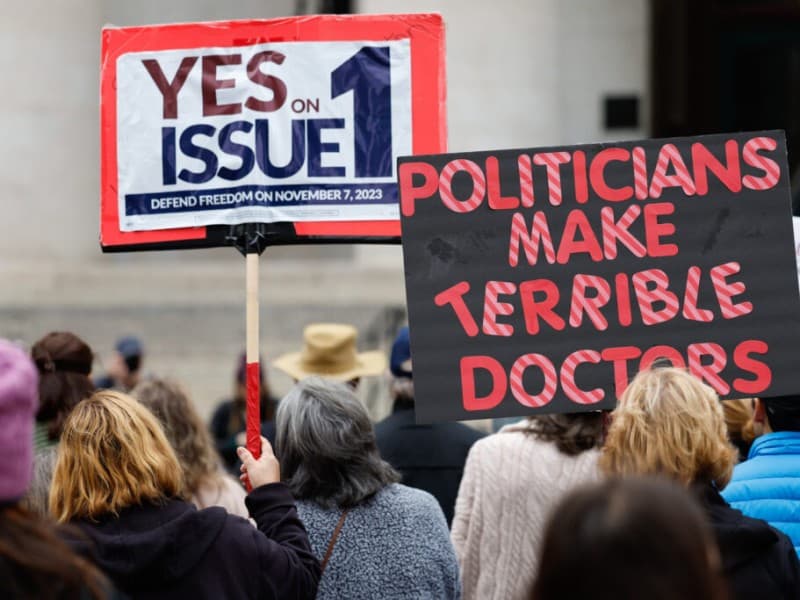
Access to abortion care is improving in Ohio, but abortion opponents continue efforts against it
As studies show improvements in access to abortion care in Ohio, abortion opponents both in and outside of the state legislature are attempting to bring more regulations against it.
Bill to end Pennsylvania’s closed primary elections passes state House
A bill to allow independent and third-party voters to cast ballots in Pennsylvania primary elections passed Tuesday in the state House.