Persistent state budget cuts create inadequate funding for Texas schools
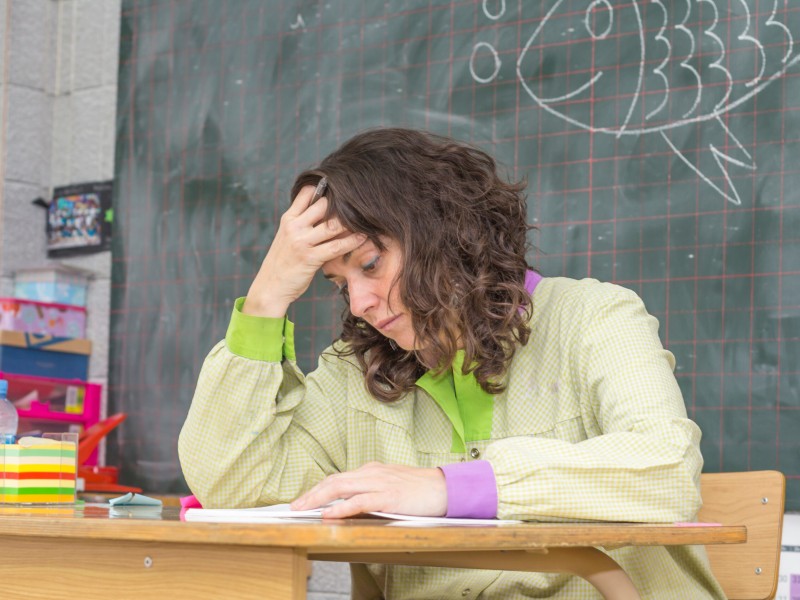
A new report shows persistent state budget cuts in 80% of U.S. states — including Texas — deprive public schools of the funding they experienced before the Great Recession.
The report measures statewide funding adequacy based on how many students attend schools in districts with funding below estimated adequate levels.
Mary Cathryn Ricker, executive director of the Albert Shanker Institute, said four out of five states devote a smaller share of their state economy with public schools than they did 15 years ago.
“This is something that has happened over time,” said Ricker, “as state legislatures have either divested from either funding their public schools or have chosen more investments in their public schools.”
The report finds African American students are twice as likely as white students to be in districts with funding below estimated adequate levels, and 3.5 times more likely to be in “chronically underfunded” districts.
Critics of public education charge it wastes money and is too beholden to teachers’ unions.
Study Co-author and University of Miami Professor Bruce Baker said Texas funding was around the national average before 2007, then climbed upward before a downward slide began two decades ago.
“Even though Texas is putting up roughly average effort,” said Baker, “91.6% of kids in Texas attend districts that don’t spend enough to achieve national average outcomes.”
Ricker said the public believes in public schools and they deserve more support.
“We can have high expectations for our public schools,” said Ricker. “We should have high expectations for them. And, we should be funding what it takes to meet those expectations at the same time.”
Ricker said this the sixth year the “Adequacy and Fairness of State School Finance Systems” report has recommended that every state audit its funding levels and make it a shared priority with residents.
Heartland Signal encourages news organizations and content creators to use our content. You're welcome to republish this article for free as long as you follow our republishing guidelines.
Related Articles
Bill to end Pennsylvania’s closed primary elections passes state House
A bill to allow independent and third-party voters to cast ballots in Pennsylvania primary elections passed Tuesday in the state House.
Minnesota Truth Council concludes public testimony on Operation Metro Surge
A council tasked with documenting the harms of — and resistance to — the federal government’s immigration crackdown held its final public meeting Tuesday in Rochester.
Missouri education board declines to seek $300 million increase in school aid
After a stalemate, the board voted to keep its foundation formula request flat despite rising costs under state law.