
Heartland Democrats working to bolster middle class before Trump’s costly tax bill
As congressional Republicans negotiate President Donald Trump’s “Big Beautiful Bill,” Democrats is state legislatures are working to mitigate the potential damage the bill could cause to working families.
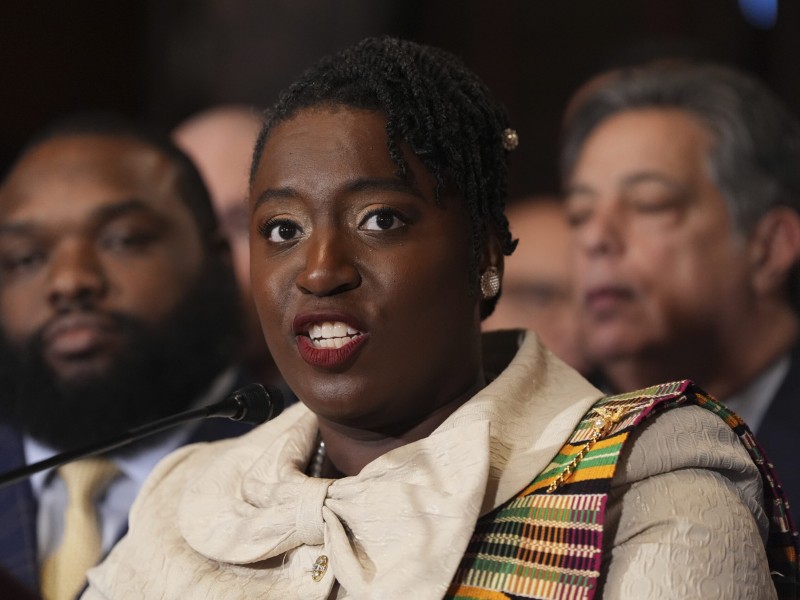
As congressional Republicans negotiate President Donald Trump’s “Big Beautiful Bill,” Democrats is state legislatures are working to mitigate the potential damage the bill could cause to working families.
Under the version of the bill passed in the House of Representatives, the provisions in the 1,000+ page proposal would effectively transfer even more wealth to the richest individuals in the country. Disproportionate tax cuts that benefit the wealth, over $1 trillion in military spending and cuts to social safety net programs like Medicaid, Medicare and food stamps are some of the highlights of the bill.
The nonpartisan Congressional Budget Office projects an increase in costs for lower- and middle-class families in areas like health care. As much as 10.6 million could lose health insurance coverage over the next 10 years and $2.4 trillion is projected to be added to the deficit.
To combat these projections, Democrats at the state level have taken steps to preserve current laws. In Pennsylvania, the Democrat-controlled state House passed a series of bills this year that would provide financial assistance and preserve elements of the Affordable Care Act could be threatened under the Big Beautiful Bill.
These include preserving children keeping their parents’ health insurance until they turn 26, stopping insurance companies from capping coverage of essential benefits, protecting coverage of preexisting conditions, requiring insurers to cover preventative health insurance without cost-sharing and providing a cost-of-living adjustment for retired teachers and former state employees.
All four bills passed the House with universal support from Democrats and all nay votes being cast by Republicans. After the package of legislation passed, Senate Democrats lambasted Trump and his allies in Congress for their actions at the federal level.
“This is the House and the Senate Democrats’ solution to the chaos in Washington making sure you can always access lifesaving care here in the commonwealth of Pennsylvania,” said House Speaker Joanna McClinton (D-Philadelphia). “We cannot allow this person who calls himself a president to take away all our rights. We are in Harrisburg, and we are fighting back.”
The bills face an uphill battle for passage in the Pennsylvania state Senate with Republicans holding a 27-23 majority in the chamber.
In Michigan, where the state chambers are also split, the Democrat-controlled state Senate directed $10 million for food banks and school meals, as Trump’s bill is threatening to significantly reduce food assistance in the state.
“Michigan’s students are our future, and this budget reflects the responsibility we have to provide them with the safe, supportive, and high-quality education they deserve,” said Sen. Darrin Camilleri (D-Trenton), chair of the Senate PreK-12 Appropriations Subcommittee. “By investing in mental health resources, modernizing our school facilities, and helping students focus in school through free school meals, we are setting up every child for success. We’re also making critical investments to ensure teachers are paid fairly and classrooms remain small, so that every student gets the attention and support they need to thrive.”
Michigan House Speaker Matt Hall (R-Richland Township) is unlikely to include the funding in his budget plan, and he has criticized Senate Democrats for offering too much spending.
“The budget has grown 43% since (Gov. Gretchen) Whitmer took office, and that’s without this billion-dollar budget Brinks and Senate Democrats have come up with. We have the money to prioritize roads, public safety and education. We can do all three. But we have to set better priorities than what we’ve seen from the Democrats,” Hall said.
The U.S. Senate is currently making their adjustments to Trump’s bill with the tentative goal of passing the landmark legislation before the Fourth of July despite a handful of initial GOP holdouts.
Heartland Signal encourages news organizations and content creators to use our content. You're welcome to republish this article for free as long as you follow our republishing guidelines.
Related Articles

Jackson County GOP names 9/11 golf sponsorships after attack sites
Sponsorship tiers named for the Twin Towers, the Pentagon and Flight 93 are on sale for a “Tee Off in Remembrance” event on the attacks’ 25th anniversary.

Michigan Senate passes new versions of nine bills held up in House, vetoed by Whitmer
Members of the Michigan Senate on Thursday pushed forward with new versions of nine bills that became the subject of controversy when the legislation was prevented from reaching the desk of Gov. Gretchen Whitmer by the Republican-led House of Representatives.
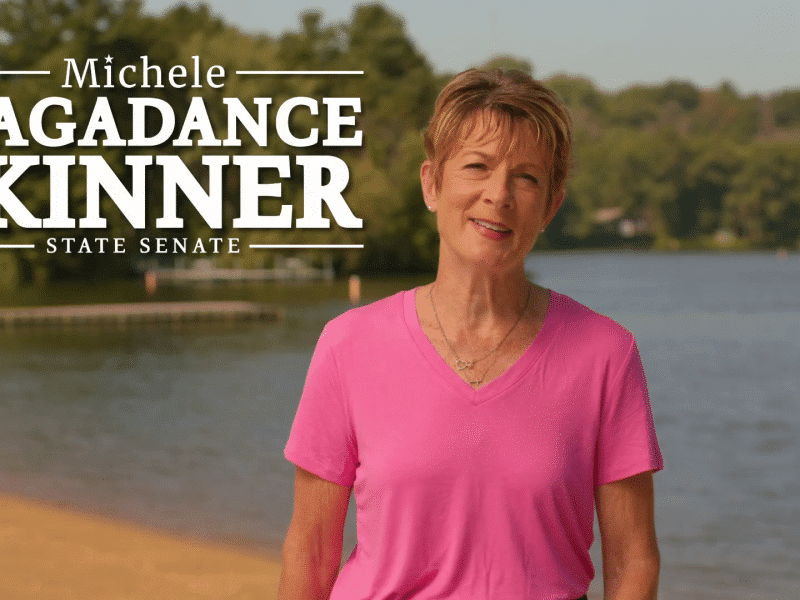
Skinner brags about failed Lake Altoona project in campaign ad
The Wisconsin Senate candidate’s ad brags about a project she says cleaned up Lake Altoona for free. County records — and Skinner’s own voting record — tell a different story.