
OPINION: How advocates are fighting in the shifting landscape of reproductive rights, three years after Dobbs
Maggie O’Keefe writes, “Three years post-Dobbs, the fight for reproductive freedom hasn’t diminished. It’s only just begun.”

Three years after the Supreme Court overturned Roe v. Wade in Dobbs v. Jackson Women’s Health Organization, the reproductive rights landscape in the United States has been a continued fight for what was a women’s right to choose across this country.
The Dobbs decision catalyzed a grassroots movement that has cut across political lines in unexpected ways. Voters in deep-red states like Missouri and former toss-up states like Ohio have shocked the nation by using ballot measures to protect a woman’s right to choose and rejecting extreme abortion bans and affirming reproductive freedom directly at the ballot box.
Only a handful of states now serve as critical access points for reproductive health care, supporting an overwhelming number of women traveling from states where abortion is fully banned. Illinois has become a vital hub for the Midwest, while North Carolina continues to be a key destination for women across the South.
As states like Texas and Florida implement near-total bans, the burden on these access states has grown exponentially, forcing patients to travel hundreds of miles just for reproductive health care. These states are not just protecting their own residents; they’re serving entire regions.
Ballot measures leave it up to voters to decide. In states like Michigan and Ohio, voters have approved constitutional amendments guaranteeing the right to abortion. These ballot initiatives bypass hostile state legislatures and reflect a growing national consensus: Even in swing districts to conservative strongholds, a majority of Americans support legal abortion.
Republicans, of course, do not want the fight to be fair. Missouri lawmakers are now trudging forward with a repeal amendment just six months after the voters approved the referendum to support access to abortion.
Sticking with Missouri, the post-Dobbs landscape has reignited debates over parental rights and youth access to care. Last April, the nonprofit organization Right By You filed a lawsuit challenging the Missouri parental law for minors seeking access to abortion as unconstitutional.
Accessing abortion pills by mail has become a vital option for patients in restrictive states, offering privacy, speed and safety, even as telehealth and mail-order services face increasing political and legal attacks. According to the Guttmacher Institute, medication abortions made up 63% of all U.S. abortions in 2023, up from 53% in 2020. In a unanimous decision in June 2024, the U.S. Supreme Court rejected a lawsuit aimed at rolling back access to mifepristone. The Court ruled that the anti-abortion doctors and groups behind the case lacked standing, leaving FDA guidelines intact for now. As of today, mail-order abortion remains both a legal battleground and a lifeline.
Three years post-Dobbs, the fight for reproductive freedom hasn’t diminished. It’s only just begun. From state constitutional amendments to expanding access through mail-order medication, advocates are forging new pathways to protect care. The landscape remains fractured and often uncertain, but one thing is clear: Access advocates will continue to fight for the Americans’ right to choose.
Maggie O’Keefe is the lead booker at WCPT 820AM, bringing political experience from campaigns including Judge Susan Crawford, Lake County Clerk Anthony Vega and Cook County Assessor Fritz Kaegi. Elected in 2020, she serves as Democratic Committeeperson for Chicago’s 40th Ward and is the youngest member of the Cook County Democratic Party. Find her on TikTok and Instagram: @yaymaggieo.
Heartland Signal encourages news organizations and content creators to use our content. You're welcome to republish this article for free as long as you follow our republishing guidelines.
Related Articles

GOP Wisconsin legislator Zimmerman missed 225 votes last session, some to attend AI summit
Reps. Tip McGuire and Shannon Zimmerman were both booked on the same Milwaukee AI panel on June 24, 2025. McGuire withdrew so he could finish voting on the Assembly floor. Zimmerman made the panel, and votes kept being recorded in his name after he left his seat.
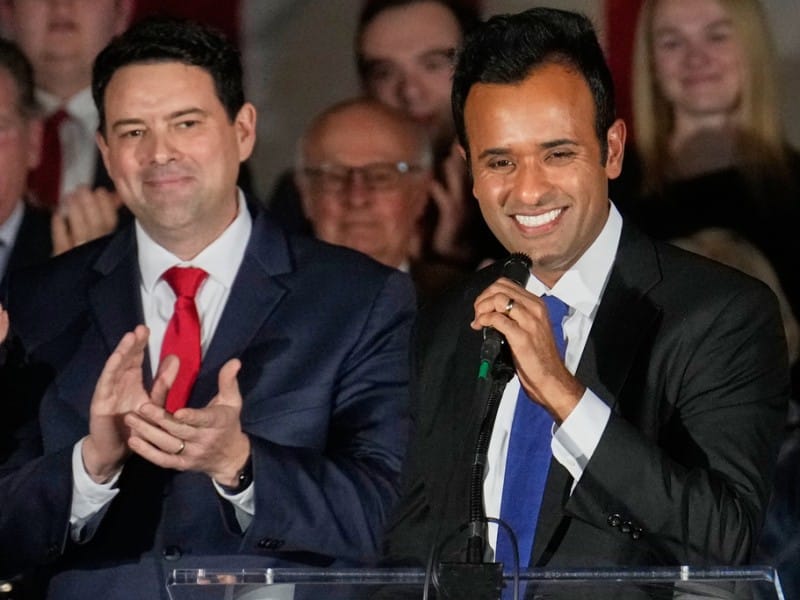
Ohio’s Ramaswamy and McColley have long backed near-total abortion bans
Even after Ohio voters overwhelmingly passed a 2023 constitutional amendment protecting abortion rights, GOP gubernatorial nominee Vivek Ramaswamy and state Senate President Rob McColley remain committed anti-abortion advocates. Audio from a recent rally shows McColley framing the constitutional defeat not as a setback, but as a shift in strategy.
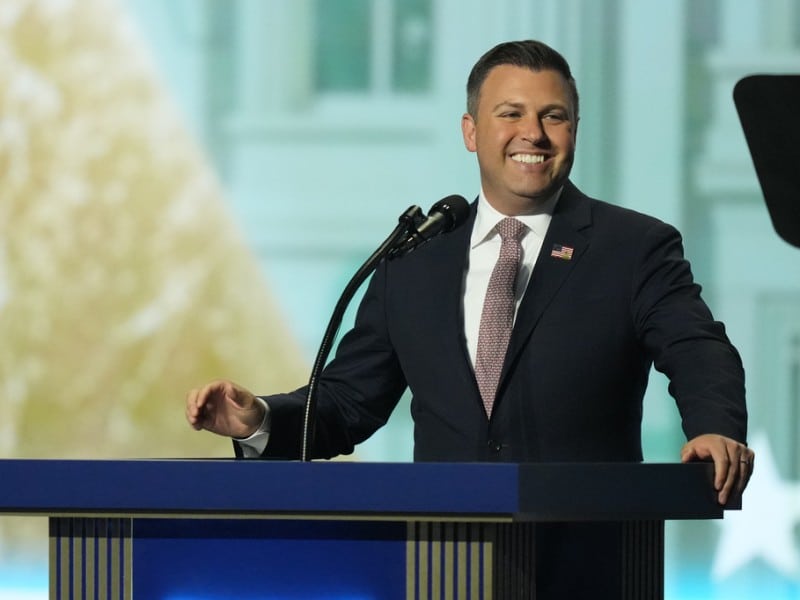
Ryan Mackenzie’s stance on data centers collides with his policy record
Rep. Ryan Mackenzie says data centers should pay their fair share. His record includes a 2021 tax exemption vote and support for limits on local oversight.