Report: Pennsylvania math, reading scores rank among nation’s best
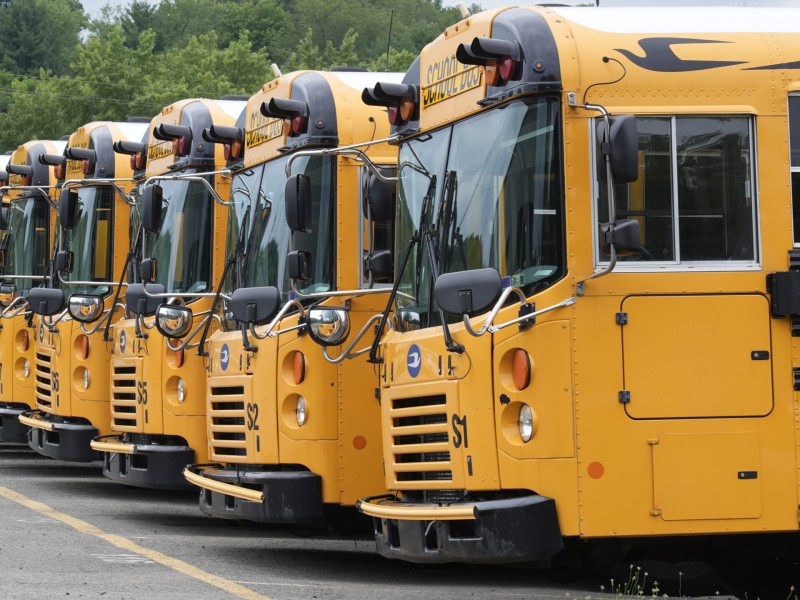
Christopher Lilienthal, assistant director of communications with Pennsylvania State Education Association, said that while the pandemic caused test scores to decline nationwide, Pennsylvania still ranks among the top states on the National Assessment of Educational Progress, also known as the Nation’s Report Card for fourth and eighth graders in reading and math.
“Fourth-grade reading, only four states had statistically significant higher scores than Pennsylvania. In fourth grade math, only three states had statistically significant higher scores than Pennsylvania,” he said. “We’re doing all right compared to the nation.”
The report notes that more than six in ten Pennsylvania high school graduates plan to continue their education after graduation. It also found that Pennsylvania ranks 17th nationally for the share of full-time college students who finish their bachelor’s degrees.
With Pennsylvania’s budget still pending, districts await over $2 billion in state aid. The report shows basic education funding has improved from a 2020-2021 low, when the state covered just 34% of costs, well below the historic average of about half. That matters most for high-poverty districts that can’t depend on local taxes. At its peak in 1974, state funding reached 55% percent.
“So, we hit that low point in 2020-2021 and since then, we’ve been coming back,” he said. “So the most recently completed school year, 2024 25, we were up to 40% of total school district expenditures coming from the state.”
Lilienthal said there’s still concern over teacher pay. The report shows that both starting salaries and overall pay haven’t kept up with inflation over the past 30 years. Teachers are losing buying power because inflation has increased at a faster rate than teacher salaries have increased.
“One way we could address that is by starting our teachers off at a higher rate,” he continued. “We’ve been supportive of legislation that would set a minimum teacher salary in Pennsylvania of $60,000 a year. That legislation would also set a minimum wage for our support staff of at least $20 an hour.”
Lilienthal said raising teacher pay is key to ensuring educators can cover basic expenses such as rent, bills, and student loans, and added over the past few years, former Gov. Tom Wolf and current Gov. Josh Shapiro have worked with lawmakers to tackle chronic underfunding in public schools.
That effort is helping districts hire more teachers, reduce class sizes, and invest in programs like STEM, literacy and math coaching — steps that are making a real difference for students across Pennsylvania.
Heartland Signal encourages news organizations and content creators to use our content. You're welcome to republish this article for free as long as you follow our republishing guidelines.
Related Articles

GOP Wisconsin legislator Zimmerman missed 225 votes last session, some to attend AI summit
Reps. Tip McGuire and Shannon Zimmerman were both booked on the same Milwaukee AI panel on June 24, 2025. McGuire withdrew so he could finish voting on the Assembly floor. Zimmerman made the panel, and votes kept being recorded in his name after he left his seat.
Ohio’s Ramaswamy and McColley have long backed near-total abortion bans
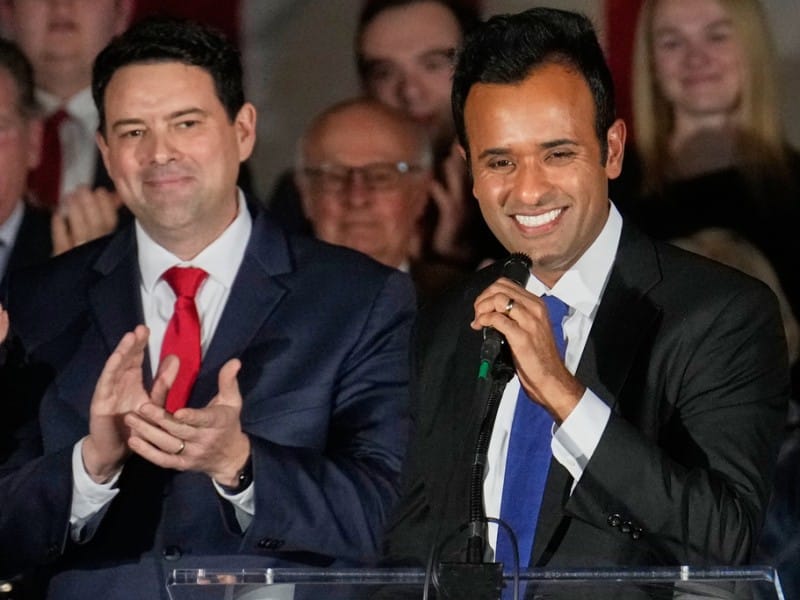
Even after Ohio voters overwhelmingly passed a 2023 constitutional amendment protecting abortion rights, GOP gubernatorial nominee Vivek Ramaswamy and state Senate President Rob McColley remain committed anti-abortion advocates. Audio from a recent rally shows McColley framing the constitutional defeat not as a setback, but as a shift in strategy.
Ryan Mackenzie’s stance on data centers collides with his policy record
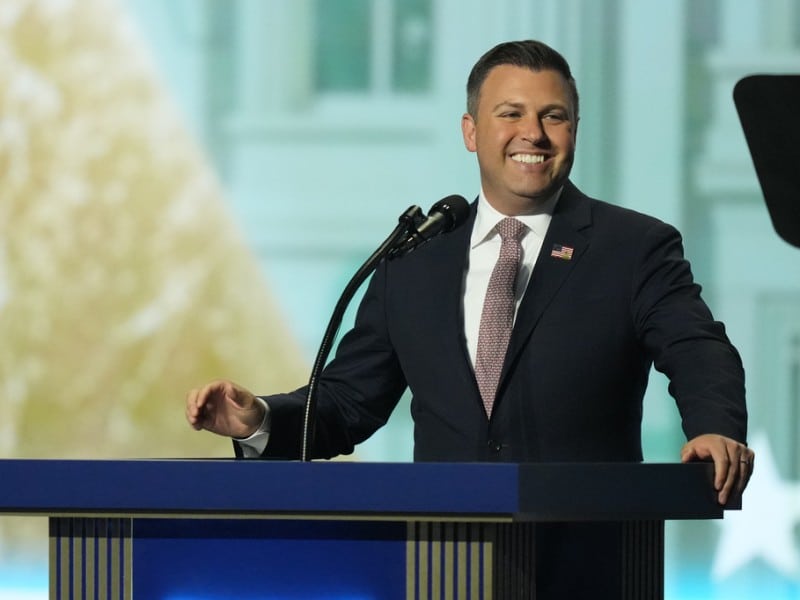
Rep. Ryan Mackenzie says data centers should pay their fair share. His record includes a 2021 tax exemption vote and support for limits on local oversight.