
Families used Child Tax Credit for essentials, not drugs as Joe Manchin suggested
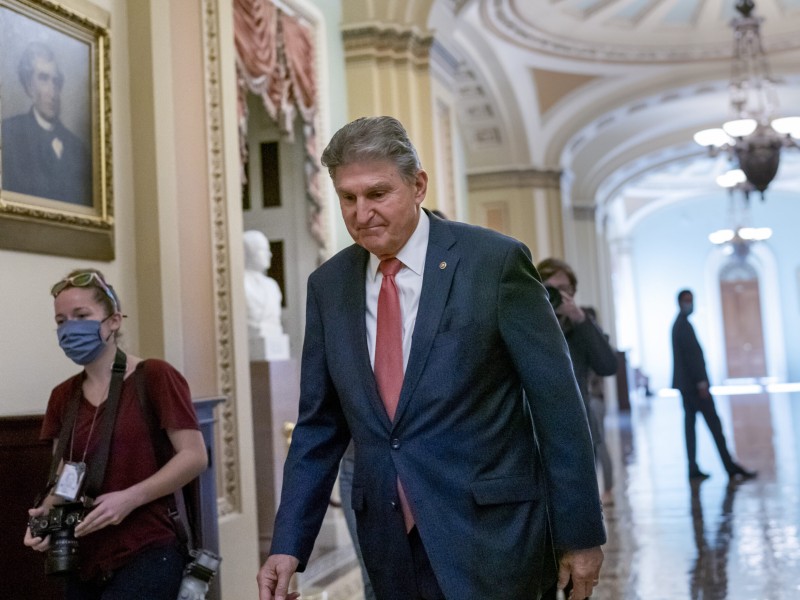
As Sen. Joe Manchin (D-WV) backed away from supporting President Joe Biden’s Build Back Better legislation in late December, reports emerged that he was concerned families will spend government assistance on drugs. The data shows that to be demonstrably false.
Manchin publicly said he couldn’t support President Joe Biden’s signature legislation package due to its cost. But the Huffington Post reported he privately told colleagues he was concerned impoverished families would spend the expanded Child Tax Credit on drugs.
Evidence strongly indicates the majority of payments were spent the way they were intended.
According to analysis by the nonpartisan Center on Budget and Policy Priorities, 91% of families spent their Child Tax Credit on essentials: food, utilities and rent, clothing, and education costs.
The outcome is consistent with evidence from Canada, who has a similar tax credit program, CBPP reported.
In short, “parents — particularly those with low incomes — spend their child allowances on essentials and education expenses.”
Manchin took to Fox News Sunday on Christmas week to say he’d “tried everything humanly possible” to find a path forward.
“This is a ‘no’ on this legislation,” he told host Bret Baier, effectively killing hopes of passing the legislation in 2021.
His reversal of stunned the White House. Press Secretary Jen Psaki said in a responding statement, “Senator Manchin pledged repeatedly to negotiate on finalizing that framework ‘in good faith.’”
She said Manchin would have to “explain to the millions of children who have been lifted out of poverty, in part due to the Child Tax Credit, why he wants to end a program that is helping achieve this milestone—we cannot.”
Manchin has indicated he’s willing to return to the table if the Child Tax Credit is removed from the bill or the income cap is lowered substantially, Axios reported.
The final payments of the Child Tax Credit — $300 for families with children under 6 years old and $250 for families with children age 6-17 — were dispersed Dec. 15 and totaled $16 billion, according to the IRS.
The first monthly payments, dispersed in July 2021 alongside other COVID relief measures, brought nearly 6 million children out of poverty, according to research by Columbia University. That means the rate of child poverty fell 40% between June and July.
A spokeswoman from Manchin’s office told ABC News, “Senator Manchin has made clear he supports the Child Tax Credit and believes the money should be targeted to those who need it most.” But his choice not to support BBB, for whatever reason, means an end to the monthly child tax credit payments for the foreseeable future.
The CBPP estimates 9.9 million children are risk of falling back into poverty, or deeper into poverty, without the Child Tax Credit.
Heartland Signal encourages news organizations and content creators to use our content. You're welcome to republish this article for free as long as you follow our republishing guidelines.
Related Articles
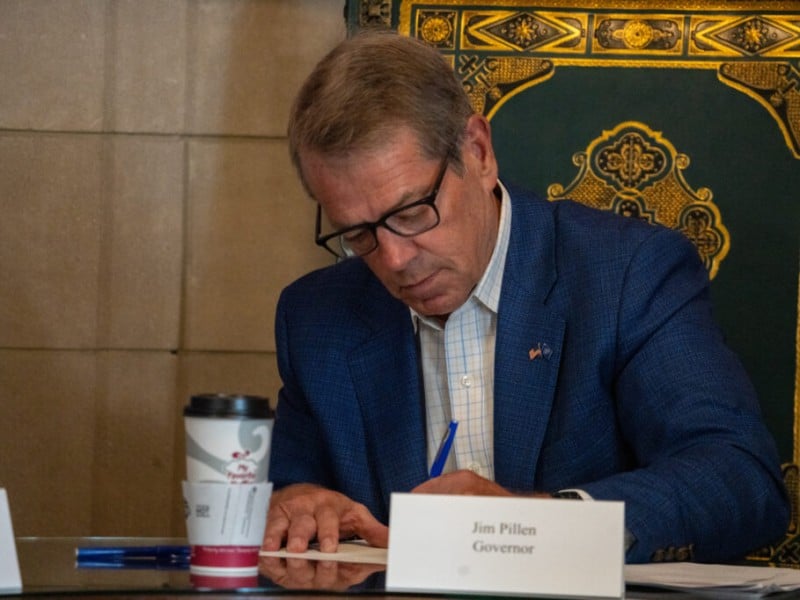
Pillen memo calling for 5% cut across Nebraska agencies raises questions about governor’s authority
For the University of Nebraska, a 5% cut could subtract $36 million from its newly approved operating budget
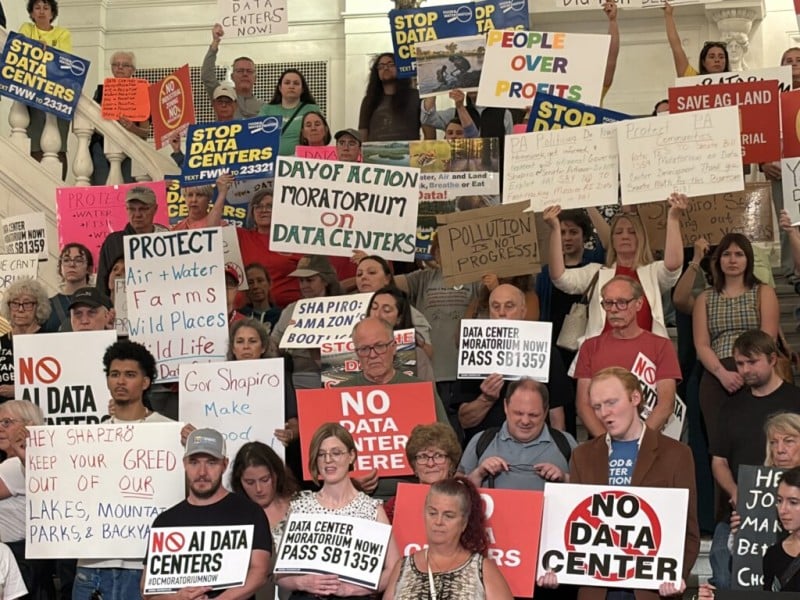
PA legislature wrestles with how to handle data center developments
State legislators in Harrisburg have largely resisted any comprehensive regulation, on data centers, instead focusing on piecemeal, largely bipartisan efforts.
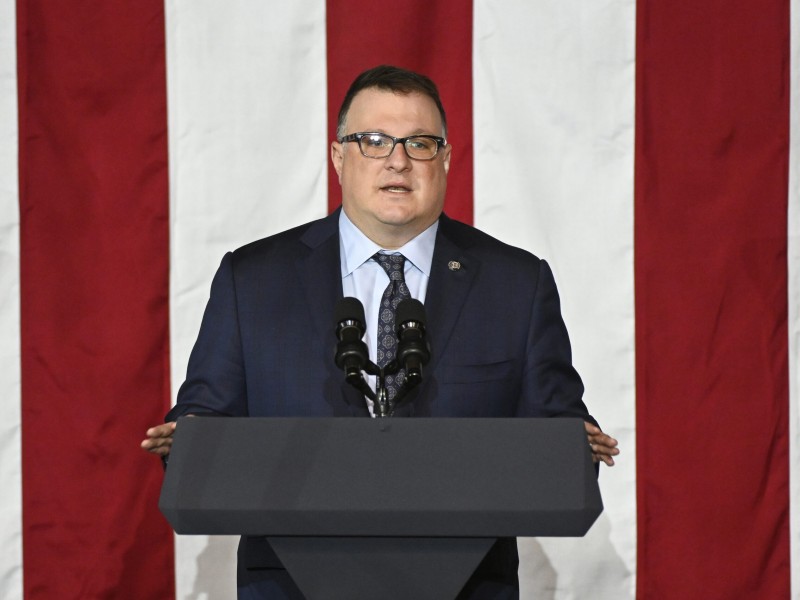
Michigan Speaker Matt Hall defends GOP lawmaker over ‘victim mentality’ comments about colleague’s dead daughter
Michigan House Speaker Matt Hall (R-Richland Township) defended state Rep. Jim DeSana (R-Carleton) Thursday after a Detroit News report revealed DeSana’s controversial comments about one of his colleagues.