Illinois legislature wraps 2026 with $55.9 billion budget, new corporate taxes and rideshare union rights
The Illinois state legislature sent a record-setting $55.9 billion budget to Gov. J.B. Pritzker at the conclusion of the 2026 legislative session.
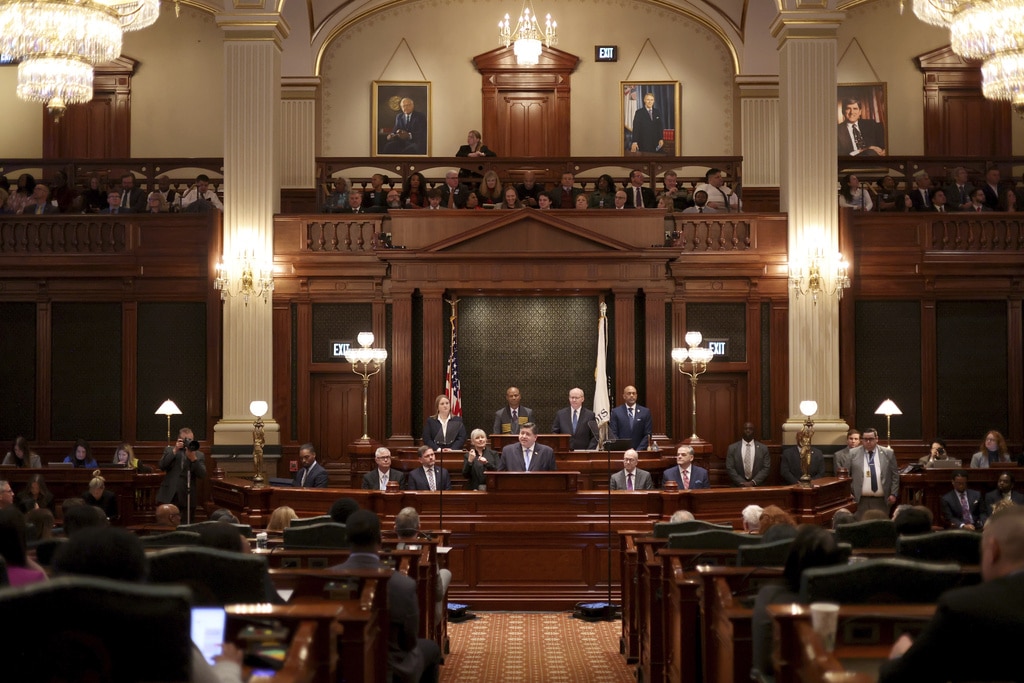
The Illinois state legislature concluded its 2026 legislative session last Sunday. Although lawmakers failed to reach a deal on the Chicago Bears’ stadium negotiations, the legislature passed several impactful pieces of legislation on a variety of issues.
$55.9 billion budget for 2027
The Illinois General Assembly sent a record $55.9 billion spending plan to Gov. J.B. Pritzker’s (D) desk after 4:00 a.m. on Monday morning. The 2027 budget increases spending by $700 million compared to the previous year, thanks to a slew of new taxes. The new taxes include:
- Lowering the cap on corporate net operating loss deductions for businesses (Expected to generate roughly $300 million annually)
- Progressive tax on social media companies based on the number of users on the platform (Expected to generate roughly $200 million annually)
- Taxes on digital asset sales (including cryptocurrency) and fantasy sports operators (Expected to generate roughly $65 million)
Affordability
The budget also temporarily suspends the inflator on Illinois’ gas tax. The state gas tax was set to increase from 48.3 cents to 49.6 cents on July 1, but a provision in the budget will freeze the current rate for six months. The average gas price in Illinois sat at $4.75 when the budget passed. Lawmakers are also directing $150 million in sales tax revenue to make up for the gas tax windfall, which conservatives have criticized.
“Instead of using the $150 million sales tax windfall to benefit taxpayers, perhaps by suspending the state gas tax altogether, Springfield plans to use it to help finance the budget,” wrote Todd Behme, editor for the conservative think tank Illinois Policy Institute.
House Bill 0228 passed on May 20, and it will penalize companies from charging hidden fees on bills, which typically occur on food delivery apps and platforms that sell concert/sports tickets. Companies that do not display all of the mandatory costs will be subject to penalties in the Consumer Fraud and Deceptive Business Practices Act.
“Illinois consumers have been nickel-and-dimed out of thousands of dollars per year by unnecessary and deceptive junk fees,” Pritzker said in a statement last month. “I am proud that the Illinois General Assembly has passed the Junk Fee Ban Act to put money back in the pockets of families and establish fair, honest pricing — from concert tickets to online shopping.”
The budget also directs $70 million to create a new program called Families Receiving Emergency Support for Hunger (FRESH). The program aims to assist families who were recently kicked off the federal SNAP program by offering them a one-time $400 payment.
Public school funding
A $350 million increase for evidence-based public school funding and $47 million in property tax relief grants. As of February, a reported 3.3 million Illinois students were attending schools that are underfunded. Some education leaders say the 2027 budget did not do enough to address shortages.
“Today’s budget proposal reflects not enough compliance with the state’s own evidence-based formula, not enough revenue for schools and services, and not enough courage from the governor and lawmakers at a time when it is needed more than ever,” Stacy Davis Gates, president of the Illinois Federation of Teachers and Chicago Teachers Union, said in a statement.
Rideshare collective bargaining
On Monday morning, both chambers of the Illinois legislature passed House Bill 5090, which will ensure rideshare drivers in Illinois have the ability to form a union and collectively bargain with companies like Uber and Lyft. Under the bill, rideshare workers must collect signatures from 10% of Illinois’ active rideshare drivers and then garner support from 30% of them to form a union. A potential union can then file a petition with the Illinois Labor Relations Board (ILRB) to hold an election for representation.
The bill also requires rideshare companies to pay fee equal to 4-cents per ride that will go to a grant program managed by the Secretary of State’s office. The grant program will be paid to the rideshare union representative and companies are not allowed to pass this charge onto consumers.
“The victory follows a multi-year-long organizing campaign led by drivers of the Illinois Drivers Alliance (IDA) who made calls, shared personal stories, rallied, and lobbied at the Illinois State Capitol,” the IDA said in a June 1 press release. “Rideshare drivers helped power Illinois’ transportation industry, safely taking millions of people to work, school, doctors’ appointments, and home at night. Yet drivers continued to experience unsafe working conditions, subminimum wages, and the full brunt of responsibility for car payments, gas, and maintenance. Today, workers won the right to say no more and collectively bargain for higher standards on the job.”
Technology regulation
Illinois approved several bills aimed at regulating the use of A.I. and technology in schools.
Senate Bill 2427 will mandate that all K-12 public schools implement a “bell-to-bell” policy to prohibit students from using cell phones starting from the first bell to the dismissal bell at the end of the day.
“Every parent and educator knows the damage that unchecked screen time and social media can do to our children and how disruptive they can be in school,” Pritzker told NBC 5 last month. “The bipartisan support for this effort reflects the urgency educators and families across Illinois feel.”
In April, the legislature also approved House Bill 5511, known as the Children’s Social Media Safety Act. The bill provides a framework for social media users to input their age in the settings, triggering protections for users under 18-years-old. These protections include only allowing underage users to see content from accounts they follow. Companies will be prohibited from using information “persistently associated with the user’s device” or previously interacted with content to generate an underage account’s feed.
Social media companies must also have default privacy settings for underage accounts to stop addictive feeds, location sharing, digital currency transactions and notifications between the hours of 10 p.m. and 7 a.m.
House lawmakers unanimously passed Senate Bill 315 on May 27, which requires A.I. developers to publish details about the capabilities and risks of their products. Pritzker applauded the new regulations in his June 1 press conference.
Heartland Signal encourages news organizations and content creators to use our content. You're welcome to republish this article for free as long as you follow our republishing guidelines.
Related Articles
Cooke calls Van Orden’s AI deepfake videos defamatory, threatens legal action
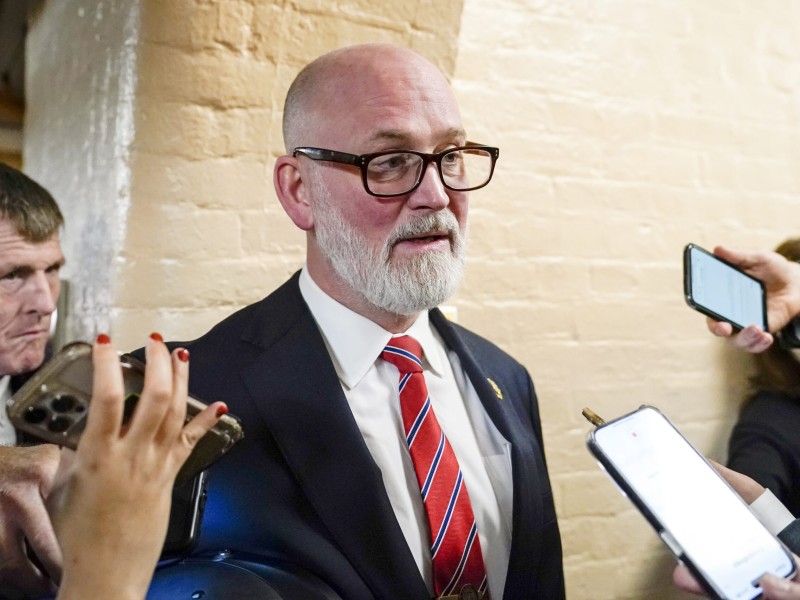
Incumbent Derrick Van Orden (R) has posted numerous AI-generated deepfake videos of Rebecca Cooke on his X account. Cooke and her lawyers have issued a cease-and-desist letter to Van Orden, arguing that his conduct meets the legal standards for defamation.
Family of Renee Good sues federal government, Trump officials over killing
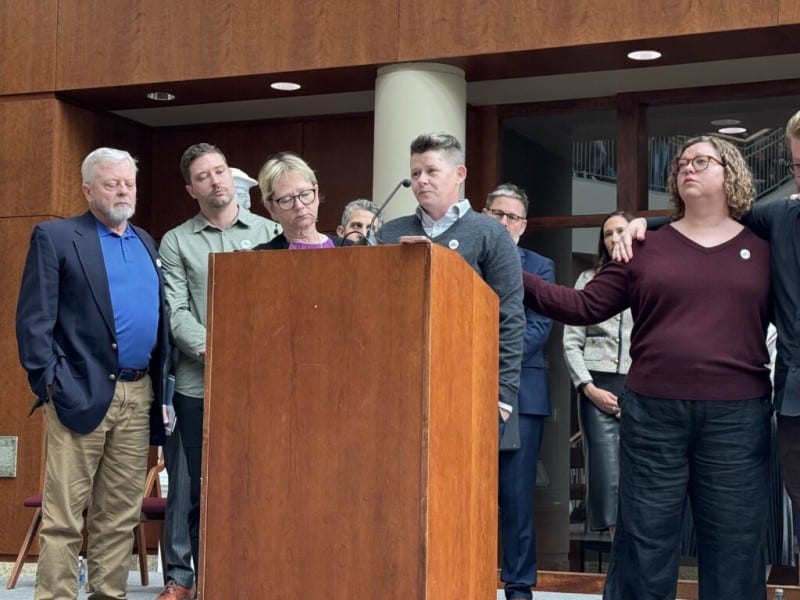
The family of Renee Good filed a pair of lawsuits against the federal government and top Trump administration officials Thursday morning, seeking compensation and a trial to determine the liability of several federal officials in Good’s killing.
Nursing Nashville mom reunited with kids 3 months after ICE arrest
Civil rights groups filed a complaint with the Department of Homeland Security alleging the woman’s detention violated the government’s own rules against detaining nursing, pregnant and postpartum mothers.