
PolitiFact verifies: Ron Johnson’s 2017 tax provision favored ultra-wealthy
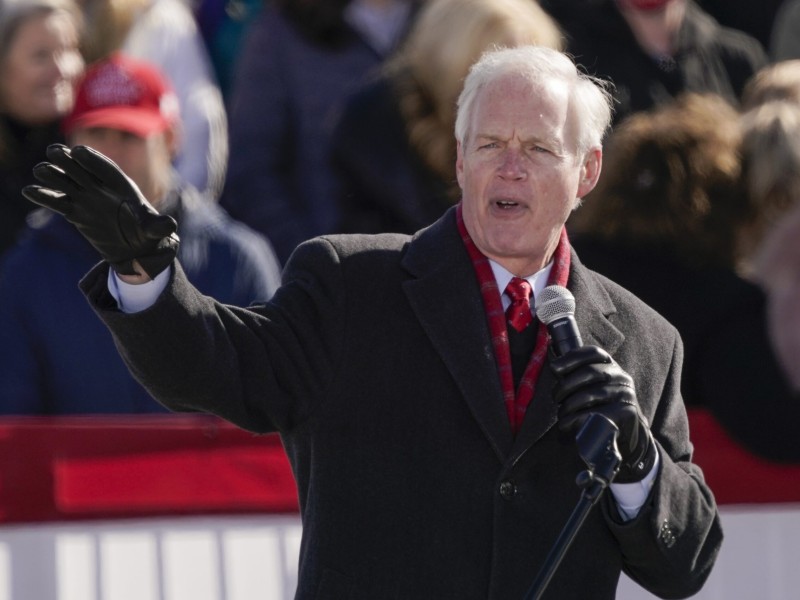
In 2017, Wisconsin Sen. Ron Johnson (R) refused to cast his vote for the Tax Cuts and Jobs Act unless it contained a tax break for certain companies referred to as “pass-throughs.” The measure Johnson wanted — and ultimately got in the final version of the bill — was allegedly inserted to benefit small businesses. It turns out that the measure is overwhelmingly beneficial to wealthy Americans, according to a PolitiFact fact check published today.
According to a study the National Bureau of Economic Research, nearly 60% of the tax dollars generated by Johnson’s provision have gone to individuals in the top 1% of America by income. That means over $30 billion went into the pockets of people making more than a million dollars annually, while the rest of the country received about $18 billion.
Johnson defended his stance on the tax break in an interview with CBS 58-TV in April: “When you start talking about taxation, if you cut taxes for everybody … People who make more money get more dollars cut, but that’s our tax system.”
He said that his actions were “for the many, not the few”.
Congress passed the Tax Cuts and Jobs Act in late December 2017, with President Donald Trump signing the bill into law two days later.
Even though he promised to only hold two terms in office, the 67-year-old Republican will be seeking reelection for a third term in November. Wisconsin’s primary elections will be held on August 9, in which he will likely win the primary and face any one of the multiple Democratic candidates for the seat.
Heartland Signal encourages news organizations and content creators to use our content. You're welcome to republish this article for free as long as you follow our republishing guidelines.
Related Articles
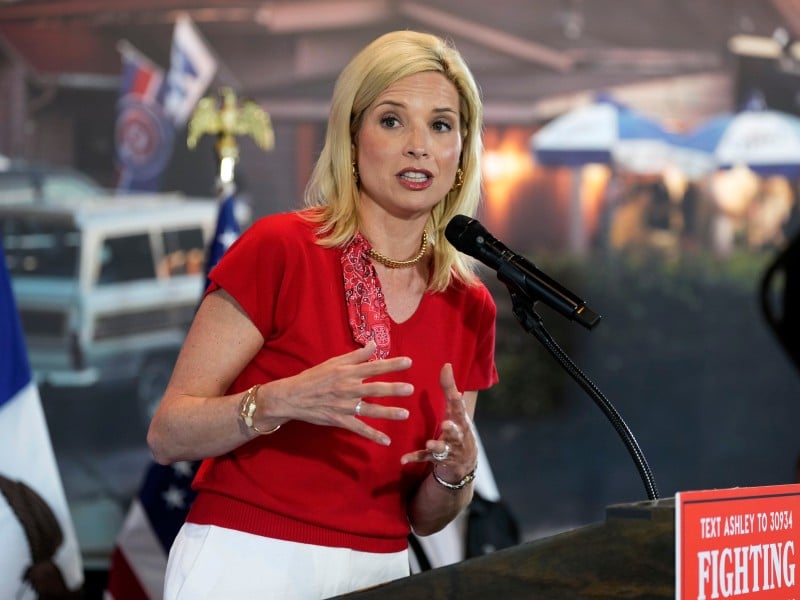
Iowa Senate candidate Ashley Hinson touts congressional stock ban, while a loophole fueled her own wealth
A closer look at Hinson’s federal financial disclosures and her recent votes in Congress, reveals a gap between her campaign rhetoric and her personal finances.
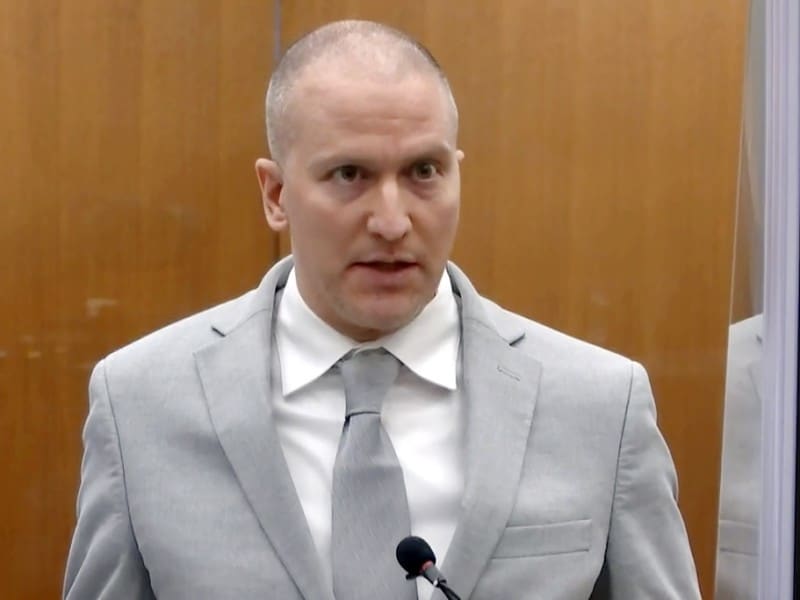
Minnesota GOP convention chair wishes someone ‘pushed back’ on Derek Chauvin moment of silence
Minnesota state Rep. Danny Nadeau (R-Rogers), who chaired the GOP party convention on May 30, claimed his role in the controversy was procedural and that he wishes someone “pushed back” on it.

Rob Sand and Zach Lahn advance to Iowa governor general election
Iowa State Auditor Rob Sand (D) and Republican Zach Lahn will face each other in Iowa’s gubernatorial general election in November.