
Election policy roundup: Minnesota outlier for 2023
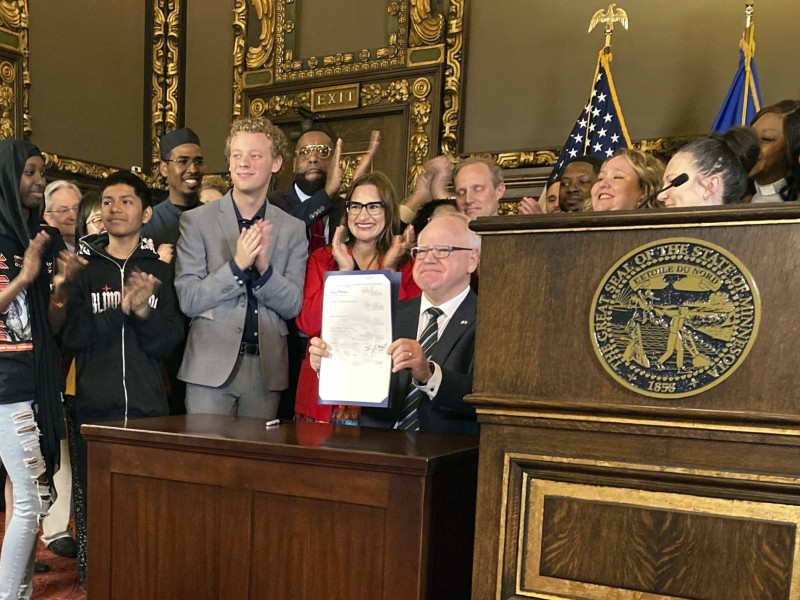
Many state legislatures around the country have wrapped up their work for the year. As expected, election policy changes were adopted, and those tracking these moves say Minnesota’s efforts were noticeable.
Ballotpedia is out with its State of Election Administration Legislation tracker – which takes a neutral look at how many of these bills were adopted, and what specific trends took hold in the first half of 2023.
Ballotpedia’s Marquee Team Staff Writer Joe Greaney said while there was a lot of moves to monitor, there weren’t as many substantive changes when compared with the past two years. But he said states such as Minnesota were very active.
“Minnesota obviously did a lot of big work this year,” said Greaney, “and they’re a little bit of an outlier, actually, across the whole country in terms of taking on and making substantial changes to election administration in the state.”
Some high-profile moves Democrats approved with their majorities include automatic voter registration. But other changes might not have received as much attention, including additional funding for local administrators to run elections.
One change, that restores the right for those with a felony conviction to vote immediately after their release, is now being challenged in court by a conservative law group.
And as the appeal of potential third-party candidates receives some attention for the 2024 presidential election, Greaney said Minnesota did make a noteworthy change on this front.
“And one of the big issues there is getting actually on ballots both for primaries and general elections for what are either minor or third parties,” said Greaney. “Minnesota already had a tough requirement – 5% of the qualified electorate supporting a party for that party to gain valid access. They change that requirement from 5% to 8%.”
Other changes include enhancing options for multilingual voting information, and bolstering penalties for activities that center around voter intimidation or interfering with the election process.
Support for this reporting was provided by the Carnegie Corporation of New York.
Heartland Signal encourages news organizations and content creators to use our content. You're welcome to republish this article for free as long as you follow our republishing guidelines.
Related Articles
FACT CHECK: Ads fault Minnesota state senators Hauschild, Kupec on fraud vote they later backed
A GOP-backed ad campaign claims DFL state Sens. Grant Hauschild and Rob Kupec opposed fraud accountability measures. But both senators voted yes on Senate File 856, which created Minnesota’s Office of the Inspector General.

Former elections official accuses Missouri secretary of state of altering results, misleading judge
Nick La Strada, fired in May as director of election integrity, alleges Denny Hoskins also illegally used public funds to influence a St. Louis County election.