
Ohio voters reject Issue 1, leaving path open for reproductive rights protection in the future
Ohio held a special election Tuesday to decide the fate of Issue 1, a ballot initiative that was ultimately rejected by voters by a massive margin.
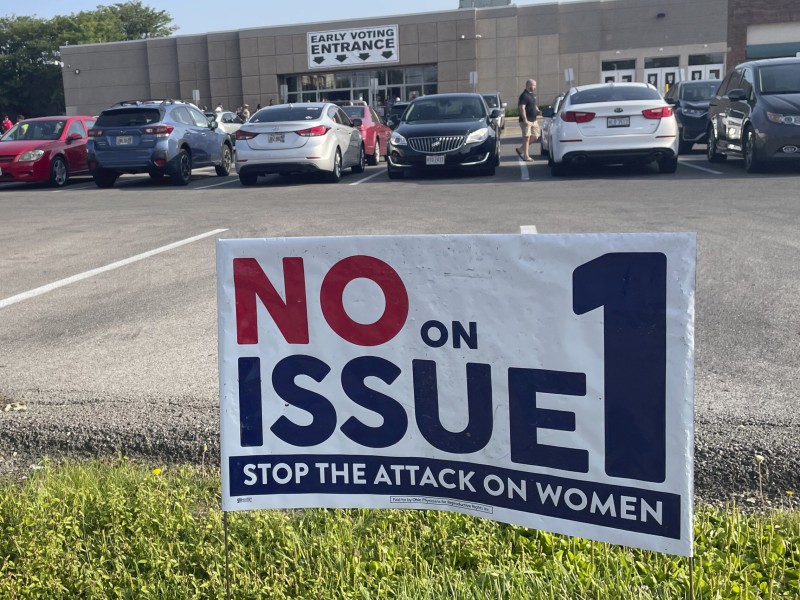
Ohio held a special election Tuesday to decide the fate of Issue 1, a ballot initiative that was ultimately rejected by voters by a massive margin.
Decision Desk HQ called the race in favor of the “no” campaign at 8:09 p.m. EST, just 39 minutes after polls closed. As of 3:10 p.m. EST Wednesday, just 43% of voters (over 1.3 million) chose “yes” and 57% (over 1.7 million) chose “no,” a 14-percentage-point difference.
If it had passed, Issue 1 would have increased the threshold for future ballot initiatives from 50% to 60% while also increasing signature requirements for the citizen-led process to pass laws. This is a tactic used by Republican-controlled states to stop popular policies from passing outside the state government. One of Issue 1’s main architects was Ohio Secretary of State Frank LaRose, who bragged to his constituents about the measure potentially blocking progressive policies like abortion access, recreational marijuana and increasing the minimum wage.
CAUGHT ON TAPE: Ohio Secretary of State Frank LaRose, who is working to make it harder for Ohioans to pass any majority-supported ballot measure, admits at a GOP event that the effort is “100%” about denying abortion access.
(VIDEO: @WEWS ) pic.twitter.com/lvNVPz9V96
— Heartland Signal (@HeartlandSignal) June 3, 2023
The rejection of Issue 1 could have major implications for not only abortion access in Ohio, but also the shape of the 2024 elections. Come November, Ohio will become the latest state to vote on a measure to protect reproductive rights since the U.S. Supreme Court’s Dobbs decision to remove the right to an abortion. Other Republican-controlled states including Kansas and Kentucky saw citizen-led abortion measures pass without Republican support in their respective assemblies. The reversal of Roe v. Wade by the U.S. Supreme Court has seemingly been a benefit to Democrats who saw key wins in the 2022 midterms despite predictions of a wave of Republican victories that never came.
Issue 1’s failure also gives LaRose’s U.S. Senate campaign its first major setback. Abortion was surely on the forefront, but this vote could have also been influenced by Ohio’s long history of citizen-led ballot measures. Many of them would not have passed with 60% of the vote, including raising the minimum wage and allowing casinos in Ohio cities.
EDITOR’S NOTE (8/9): This article has been edited to add updated vote totals.
Heartland Signal encourages news organizations and content creators to use our content. You're welcome to republish this article for free as long as you follow our republishing guidelines.
Related Articles
Tiffany campaign blocks Milwaukee Journal-Sentinel reporter from event
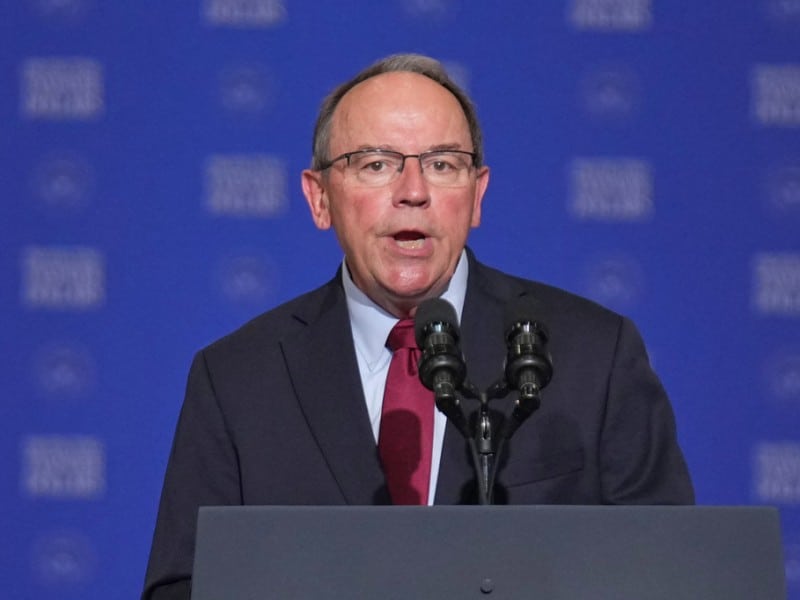
The gubernatorial campaign of Republican Tom Tiffany blocked a reporter for the Milwaukee Journal-Sentinel from entering an event in Milwaukee Thursday, preventing the state’s largest newspaper from covering the campaign.
Ohio GOP lawmakers tee up votes for gas tax holiday after Acton, then Ramaswamy, back idea
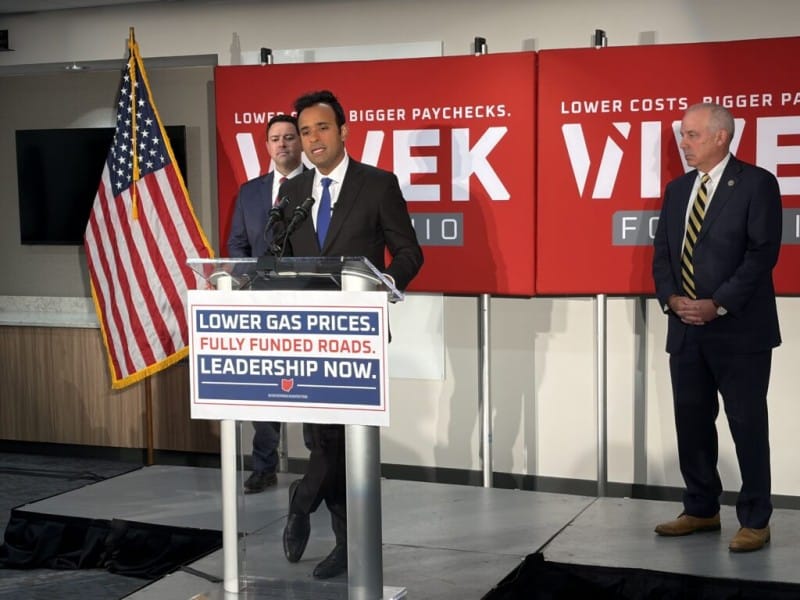
Ohio Republican candidate for governor Vivek Ramaswamy introduced his plan Wednesday for a 90-day gas tax holiday. It comes on the heels of Democratic candidate Amy Acton calling for a similar halt to the tax.
Amendment 6 could make another Missouri congressional gerrymander much harder
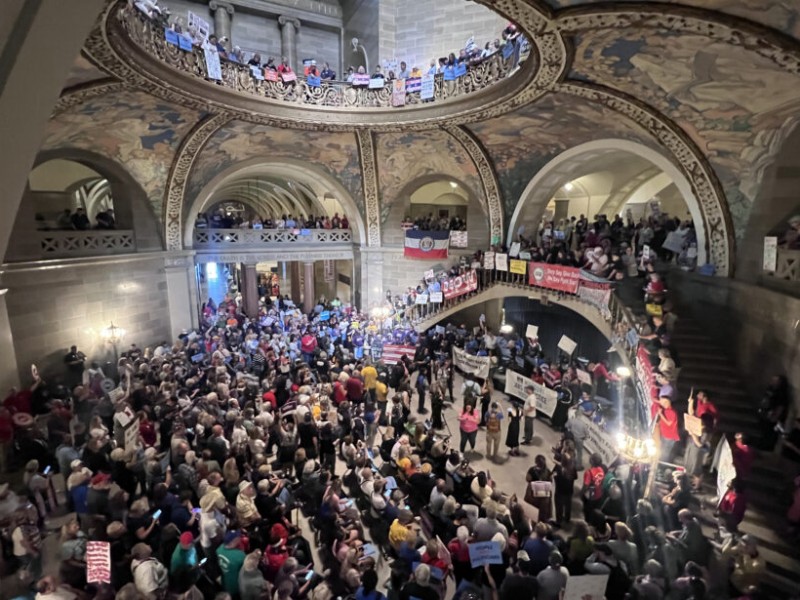
If voters reject the gerrymandered map in November, a second ballot measure could require 80% legislative support and another statewide vote for lawmakers to pass another map prior to the next census.