
Proposed Ohio equal rights constitutional amendment would negate same-sex marriage trigger ban
Ohio Attorney General Dave Yost (R) has certified an effort to put an equal rights constitutional amendment on the 2026 ballot, which could negate a same-sex marriage ban that is currently embedded in the state constitution.

Ohio Attorney General Dave Yost (R) has certified an effort to put an equal rights constitutional amendment on the 2026 ballot, which could negate a same-sex marriage ban that is currently embedded in the state constitution.
Yost received the required number of signatures (1,000) from the grassroots movement Ohio Equal Rights and certified the title and summary language of the amendment on July 3.
“This letter certifies that the submitted title and summary comply with Section 3519.01(A) as interpreted by the federal courts,” Yost said in a statement. “This certification should not be construed as an affirmation of the enforceability, constitutionality, or wisdom of the proposed amendment. Those matters are left for a different forum and another day.”
According to Ohio Equal Rights’ website, the amendment seeks to protect Ohio citizens from discrimination based on race, sex, pregnancy status, sexual orientation, gender identity, disability, age, national origin, veteran status and other signifiers which are not currently protected in the state constitution.
One argument that the organization puts forward is the fact that there is a same-sex marriage ban currently in the Ohio constitution, which would be enforceable if the United States Supreme Court overturns Obergefell v. Hodges like they did with reproductive rights in the Dobbs v. Jackson decision in 2022. The ban stems from a constitutional amendment that was approved by voters in 2004, which defines marriage as a union between a man and a woman.
The new amendment now moves to the Ohio Ballot Board, who will determine if the proposal can be certified. If certified, Ohio Equal Rights will need to collect signatures equal to 10% of the amount of votes cast in the last gubernatorial election, or 413,487 signatures from at least 44 counties in the state. The Secretary of State’s office will then verify the signatures and approve the ballot language.
Heartland Signal encourages news organizations and content creators to use our content. You're welcome to republish this article for free as long as you follow our republishing guidelines.
Related Articles
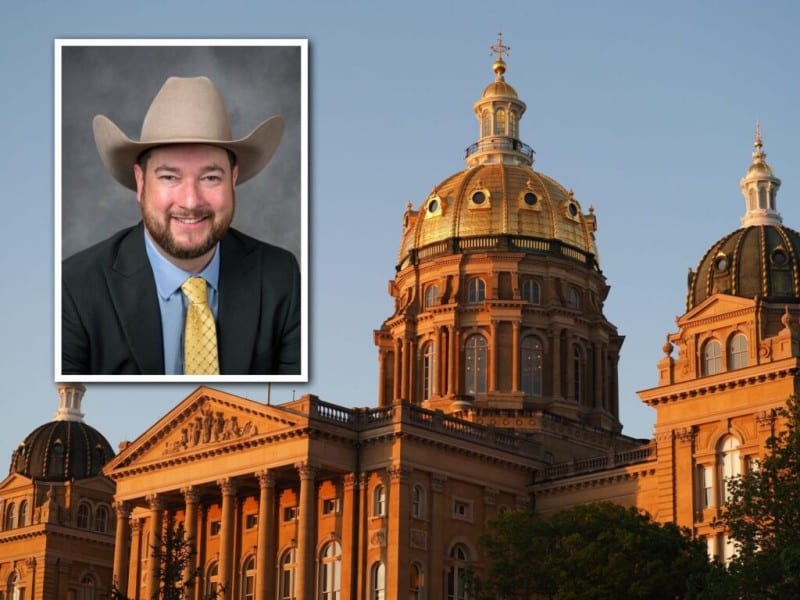
Iowa Rep. Derek Wulf tapped to join GOP governor candidate Zach Lahn’s campaign as running mate
Iowa Rep. Derek Wulf, R-Hudson, will be Republican governor candidate Zach Lahn’s running mate in the 2026 election, Lahn’s campaign announced Friday.

FBI searches offices of Ohio voting-rights group
Two Ohio congresswomen are slamming the FBI over reports that agents on Thursday searched the Cleveland offices of the Ohio Organizing Collaborative, an organization that advocates for voting and labor rights and against outsized corporate power.
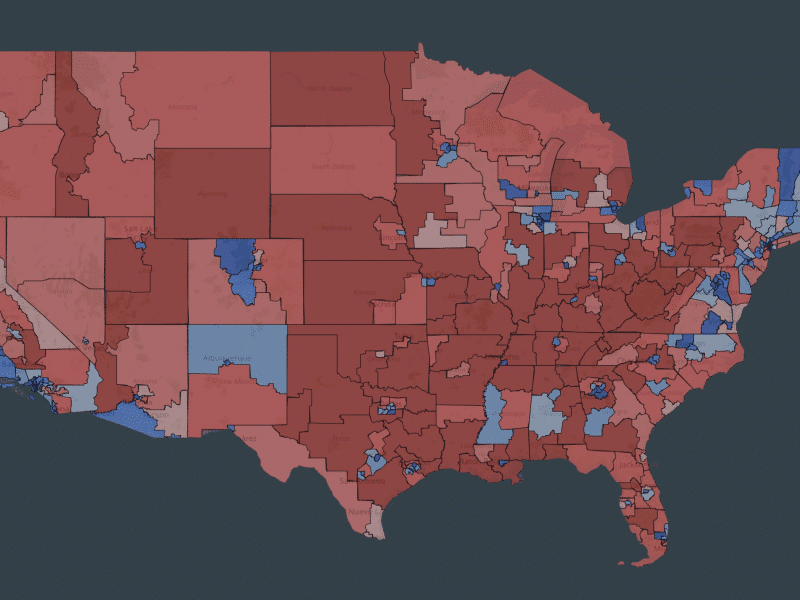
What Congress would look like without gerrymandering
A 435-district map drawn without partisan favoritism shows what fair districts would look like nationwide — more representative, more competitive, and close to guaranteeing that whichever party wins the popular vote wins the House.