
Data shows energy bills soaring as state and federal Republicans cut price-savings programs
Energy bills have been steadily increasing since President Donald Trump took office in January, partially thanks to state and national Republicans ousting Biden-era clean energy policies and prioritizing nonrenewable energy sources.
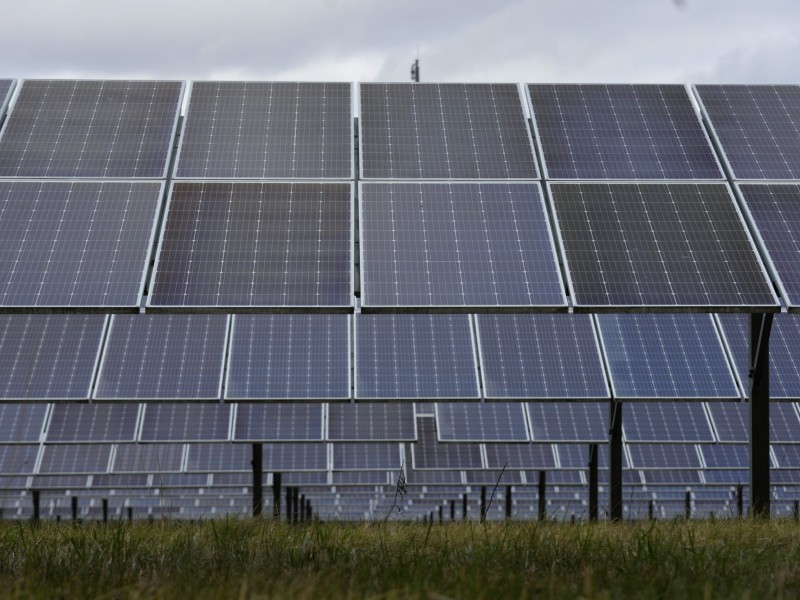
Energy bills have been steadily increasing since President Donald Trump took office in January, partially thanks to state and national Republicans ousting Biden-era clean energy policies and prioritizing nonrenewable energy sources.
According to data from the Energy Information Administration (EIA), residential electricity bills have increased by nearly 10% nationally since Trump’s inauguration on Jan. 20, despite his campaign pledge to slash electric bill prices.
The administration has focused on drastically reducing clean energy from day one, when Trump signed an executive order calling for the elimination of electric vehicle incentives, clean energy tax credits and all “Green New Deal” policies. Trump also withdrew the United States from the Paris Agreement, an international treaty to fight climate change by reducing carbon emissions.
These subsidies and other clean energy policies in the Inflation Reduction Act were expected to significantly increase the United States’ renewable energy output over the next decade. According to the American Clean Power Association, President Joe Biden’s policies were projected to bring the country’s total electricity output from renewable sources to 40% by the year 2030. After Trump’s reversal, the share of clean energy contributions is expected to shrink up to 62% by 2035.
Trump’s One Big Beautiful Bill, which was signed into law on July 4, is also expected to increase energy costs for consumers even more. A report from Climate Power published last month found that 64,000 jobs have already been lost or stalled since Trump took office, with 56% of them located in congressional districts represented by Republicans. The report also says the cuts to clean energy have reduced the total energy supply, which have contributed to the higher bills experienced by consumers.
“Republicans are fueling an energy crisis and inflicting a massive utility bill hike on Americans across the country,” said Climate Power senior advisor Jesse Lee. “This is nothing short of a betrayal of their own voters. Families are losing jobs while their bills climb, all because Republicans would rather protect their donors than lower costs. This report details just how badly this bill is hurting Americans – and we’re going to make sure they know who to blame when they open higher utility bills this month.”
Republican lawmakers are following suit at the state level, with legislators across the country proposing legislation to limit, burden or ban renewable energy projects. In May, Republicans in the Michigan state Senate unveiled a package of bills to restrict green energy initiatives. Senate Bill 327 would prohibit the use of farmland for solar panels installation. Senate Bill 325 would repeal Michigan’s climate goals, which include 60% of electricity generation from renewable sources and 8% from carbon-free sources by 2025.
“Access to affordable and reliable energy should take precedence over any liberal green-energy fantasy,” said Sen. Joseph Bellino (R-Monroe), the bill’s sponsor, in a May statement. “Allowing the state to use politics or environmental extremism to force costly and unsustainable mandates on all Michigan families is unfair and un-American. This bill would ensure all decisions regarding access to energy in our state will only be based on sound science and economic reality.”
The Republican bills would repeal many of the provisions in the Clean Energy and Jobs Act, which Gov. Gretchen Whitmer (D) signed into law in 2023. In 2026, Michigan voters will decide the control of both of Michigan’s legislative chambers and the governor’s mansion, which will likely also dictating the state’s climate policy for the future.
Trump’s actions coincide with his campaign promises to reverse American climate policy, and his belief that climate change is a “hoax” despite near universal consensus from climate scientists on the issue. Many of Trump’s climate actions, like cutting the National Oceanic and Atmospheric Administration’s (NOAA) and the Environmental Protection Agency’s (EPA) budgets, align with the Heritage Foundation and Project 2025, the conservative think tank’s roadmap for the White House.
Heartland Signal encourages news organizations and content creators to use our content. You're welcome to republish this article for free as long as you follow our republishing guidelines.
Related Articles

GOP Wisconsin legislator Zimmerman missed 225 votes last session, some to attend AI summit
Reps. Tip McGuire and Shannon Zimmerman were both booked on the same Milwaukee AI panel on June 24, 2025. McGuire withdrew so he could finish voting on the Assembly floor. Zimmerman made the panel, and votes kept being recorded in his name after he left his seat.
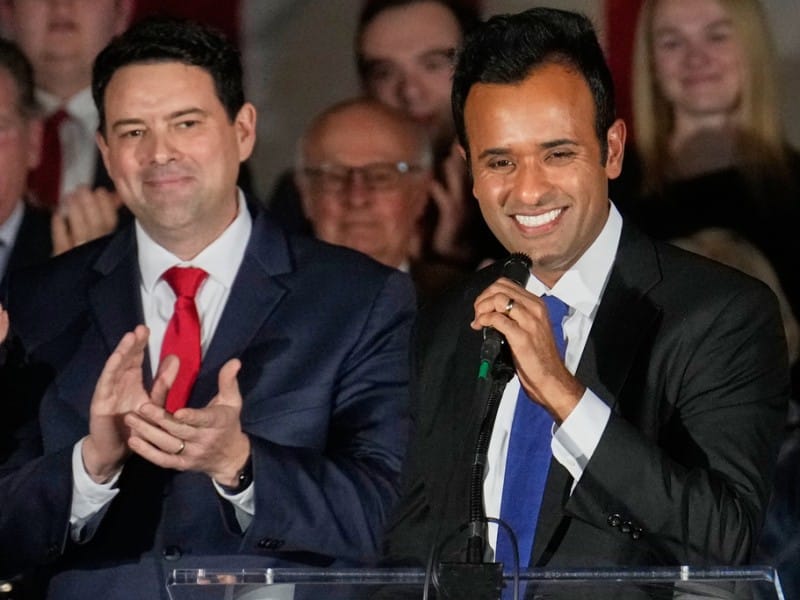
Ohio’s Ramaswamy and McColley have long backed near-total abortion bans
Even after Ohio voters overwhelmingly passed a 2023 constitutional amendment protecting abortion rights, GOP gubernatorial nominee Vivek Ramaswamy and state Senate President Rob McColley remain committed anti-abortion advocates. Audio from a recent rally shows McColley framing the constitutional defeat not as a setback, but as a shift in strategy.
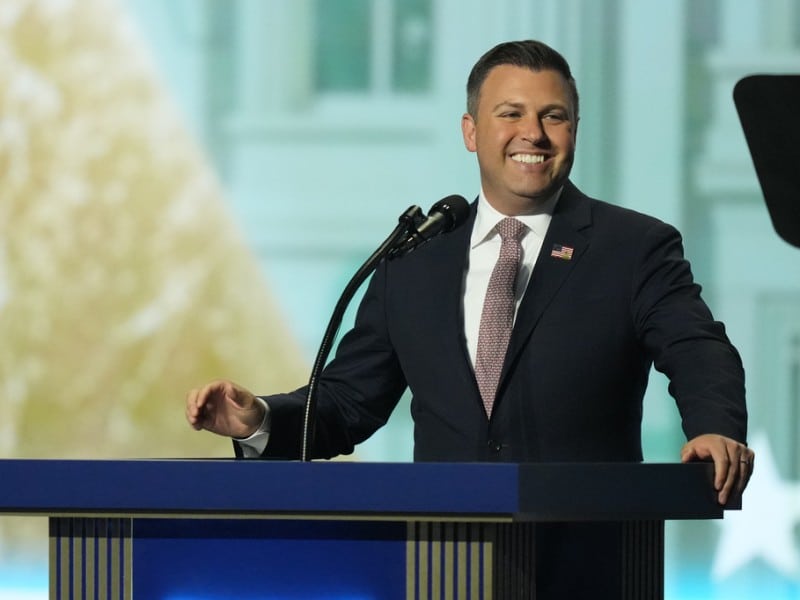
Ryan Mackenzie’s stance on data centers collides with his policy record
Rep. Ryan Mackenzie says data centers should pay their fair share. His record includes a 2021 tax exemption vote and support for limits on local oversight.