
Minnesota begins distributing $40 million in rental assistance
A $40 million boost to a state homelessness prevention program will soon reach thousands of Minnesotans.
This post has been republished from the Minnesota Reformer under Creative Commons license CC BY-NC-ND 4.0
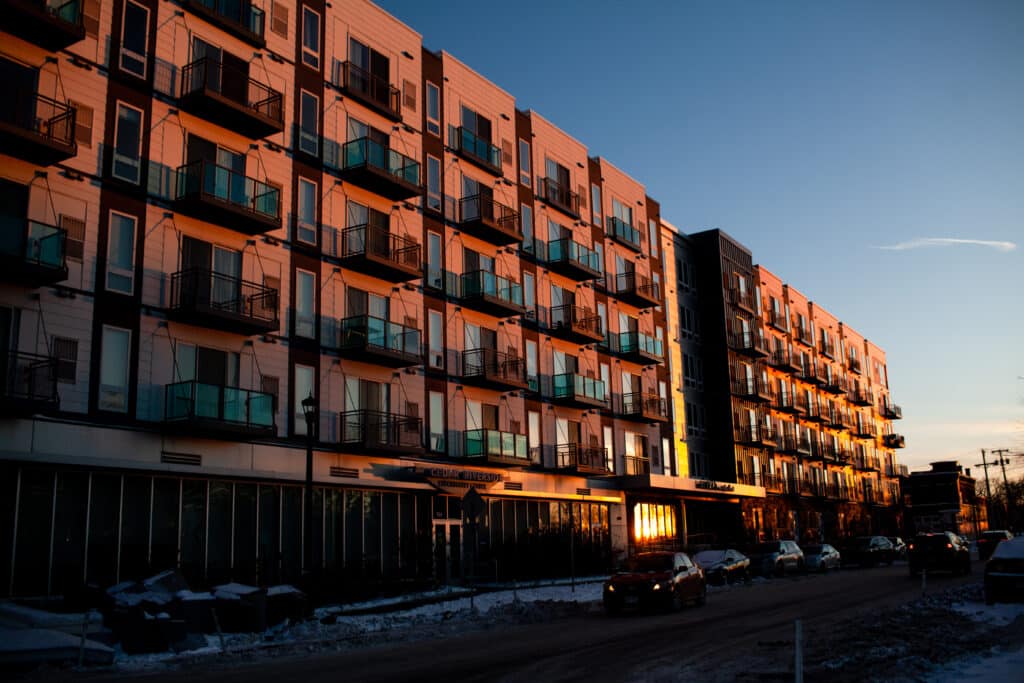
A $40 million boost to a state homelessness prevention program will soon reach thousands of Minnesotans.
The divided Legislature approved the extra housing assistance in the 2026 legislative session, funneling the money to the Family Homeless Prevention and Assistance Program, which provides supportive services and financial assistance, such as rent deposits, rent payments or utility payments.
Gov. Tim Walz proposed the rental assistance funding in the wake of Operation Metro Surge, when thousands of immigration agents flooded Minnesota, causing many immigrants to hide at home — in some cases, forgoing work — for fear of arrest, deportation and violence. Hundreds of immigrants were detained despite holding valid work permits, causing some immigrants to lose their jobs, and families their breadwinners.
The $40 million is expected to provide housing stability to 11,000 Minnesotans, according to a press release from Walz’s office.
Minnesota Housing will begin executing contracts for the funding this summer, working with the 24 agencies that currently distribute the housing funds to families in need.
Amber Holmstrom, director of family and community services for West Central Minnesota Communities Action, said the funding boost — nearly $300,000 — is more than her agency’s yearly grant from the Family Homeless Prevention and Assistance Program. She said her organization can begin distributing the funds as soon as the contract with Minnesota Housing is signed, hopefully in the next week or two.
Holmstrom said she consistently must turn away families in need due to lack of funding, though her area wasn’t as highly impacted by Operation Metro Surge as the Twin Cities.
Regardless, she said “It’ll be in really high demand. I don’t think we’re going to have any issues spending it.”
Heartland Signal encourages news organizations and content creators to use our content. You're welcome to republish this article for free as long as you follow our republishing guidelines.
Related Articles

GOP-led Michigan House approved utility giveaways ahead of massive power grid failure
A massive Fourth of July weekend power grid failure left 400,000 Michigan residents without power, forcing some business owners to throw away thousands of dollars in food. Meanwhile, DTE Energy is pushing for a $473.3 million rate increase — months after House Republicans approved legislative handouts to major utility corporations.
Ohio saw the largest drop in enrollment after Trump/Republican Affordable Care Act cuts
Ohio is the state that saw the biggest drop in enrollment in health plans under the Affordable Care Act, according to federal data first reported by the Associated Press.
Former Wisconsin Judge Hannah Dugan avoids prison, fined $5,000 in ICE obstruction case
A federal judge Wednesday fined former Milwaukee County Judge Hannah Dugan $5,000 for obstructing an immigration arrest outside her courtroom, declining to sentence her to prison or probation.