
OP-ED: 1.2M Illinoisans are being denied full citizenship
Quianya L. Enge, MSEd. writes, “While I cast my vote with pride, I was also reminded that in spite of my service and commitment to my community, my name could never appear on that ballot, simply because of my past.”
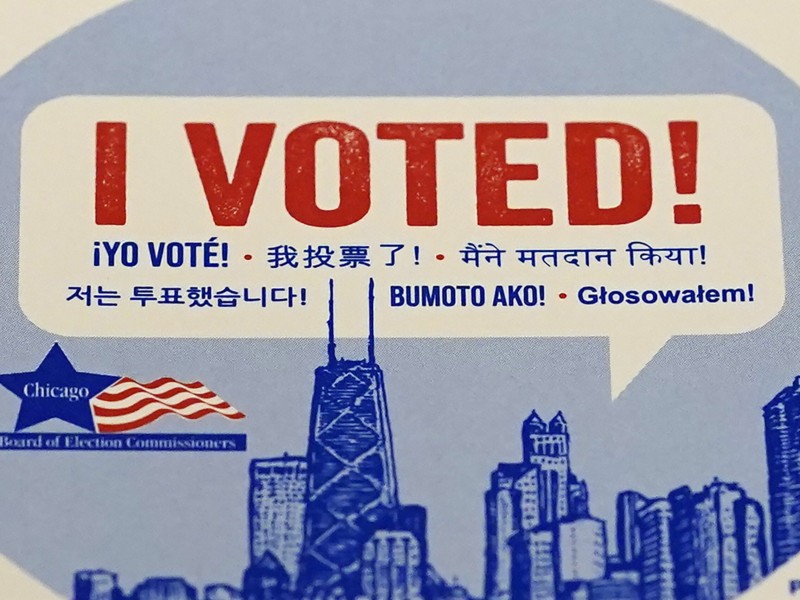
This month, thousands of Carbondale residents took to the polls to determine the way forward for our city — myself included. Civic engagement has long been incredibly important to me. I live to serve my community, with the belief that the people closest to the problem are closest to the solution, but furthest from the resources and power to advance change.
While I cast my vote with pride, I was also reminded that in spite of my service and commitment to my community, my name could never appear on that ballot, simply because of my past. In Illinois, people with criminal records are prohibited from running for local office, representing the community at their school district or local library and serving on a number of boards and commissions throughout the state.
I serve on the Carbondale United executive board, am an Illinois state-certified community health worker, chair the NAACP Carbondale branch’s criminal justice committee, am on the board development committee of the neighborhood co-op and am a doctoral candidate and former instructor mentoring young minds on and off campus. But because of a past conviction, the law prevents me from local civic leadership and community service.
Across the state, 1.2 million adults have conviction records. That is over one million Illinoisans who have served their time, paid all fines and fees related to their conviction, and are permanently barred from serving their communities. Further, we know that because of the racism that undergirds our economic, political and social systems, Black and Brown communities are disproportionately impacted by the legal system, and are therefore being shut out from these positions at higher rates. Thirty-five percent of the 1.2 million adults with records are Black, two and a half times higher than the state’s Black population.
These barriers are an affront to voting rights, and at the end of the day, they are detrimental to communities themselves. Civic engagement lowers recidivism rates. When people are civically engaged, they become more invested in the long-term health, safety and stability of their community. Ensuring successful reentry for formerly incarcerated people means ensuring they are resourced with the tools to thrive independently and contribute to the community.
Our Constitution is clear that punishments and penalties for crimes should neither be cruel nor excessive. And yet, millions of people across the state — people who pay taxes, who vote, who contribute to their communities — are denied the full opportunity to improve their neighborhoods long after they’ve completed their sentence. An entire population is being denied full citizenship — and few even notice.
Directly impacted people across the state, including here in Carbondale, are pushing for commonsense legislation that would eliminate these lifelong barriers and ensure all citizens are treated with dignity and have the opportunity to serve their communities. Right now, the Illinois State Legislature is considering House Bill 2824/Senate Bill 2347, The Promoting Involvement & Empowerment Through Civic Engagement (PIECE) Act, which would allow people with felony convictions to hold local elected office and serve on key state boards and commissions. The legislation would also create common sense limits for those who have violated the election code or committed official misconduct, and it will require someone seeking appointment to a board or commission to disclose a conviction related to that board or commission’s work.
On Election Night, one of my dear partners in this work suggested I put my name in the running for a future race. Women — especially Black women — are shut out from elected office for so many reasons, and it was heartbreaking to have to tell her that I couldn’t, in spite of my motivation and ability to serve the community. Even though this issue impacts so many across the state, few people have any idea that these archaic laws still exist.
Solutions to the most difficult issues plaguing our neighborhoods are going to be best developed by those who are closest to the pain. When we bar an entire population of people from contributing to these solutions, we’re not only denying them basic civil rights; we’re harming the larger community.
Quianya L. Enge, MSEd. is a Carbondale resident and serves as the communications and research manager for the Fully Free Campaign to end permanent punishments in the state of Illinois.
Heartland Signal encourages news organizations and content creators to use our content. You're welcome to republish this article for free as long as you follow our republishing guidelines.
Related Articles
GOP Wisconsin legislator Zimmerman missed 225 votes last session, some to attend AI summit
Reps. Tip McGuire and Shannon Zimmerman were both booked on the same Milwaukee AI panel on June 24, 2025. McGuire withdrew so he could finish voting on the Assembly floor. Zimmerman made the panel, and votes kept being recorded in his name after he left his seat.
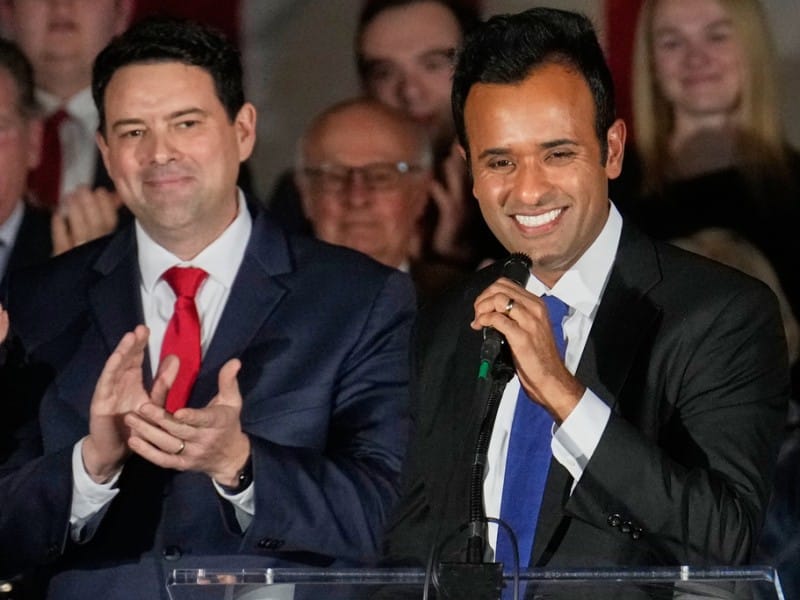
Ohio’s Ramaswamy and McColley have long backed near-total abortion bans
Even after Ohio voters overwhelmingly passed a 2023 constitutional amendment protecting abortion rights, GOP gubernatorial nominee Vivek Ramaswamy and state Senate President Rob McColley remain committed anti-abortion advocates. Audio from a recent rally shows McColley framing the constitutional defeat not as a setback, but as a shift in strategy.
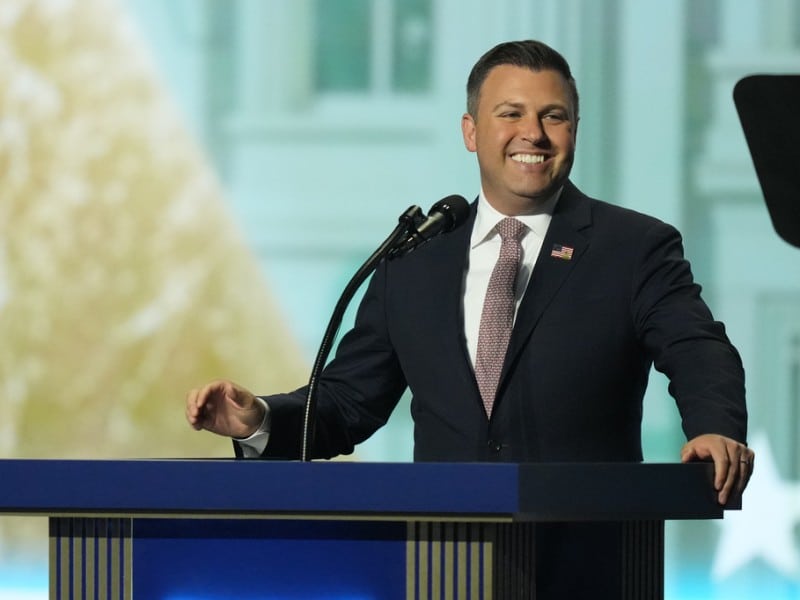
Ryan Mackenzie’s stance on data centers collides with his policy record
Rep. Ryan Mackenzie says data centers should pay their fair share. His record includes a 2021 tax exemption vote and support for limits on local oversight.